
Tsavo Cheetah Project
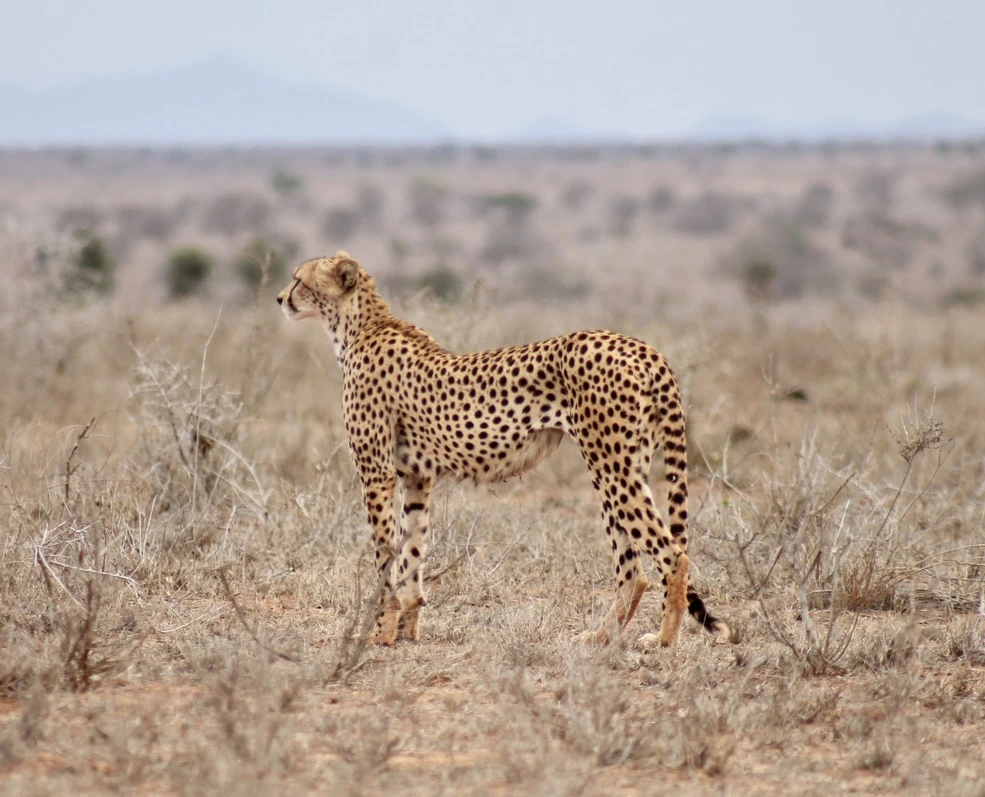
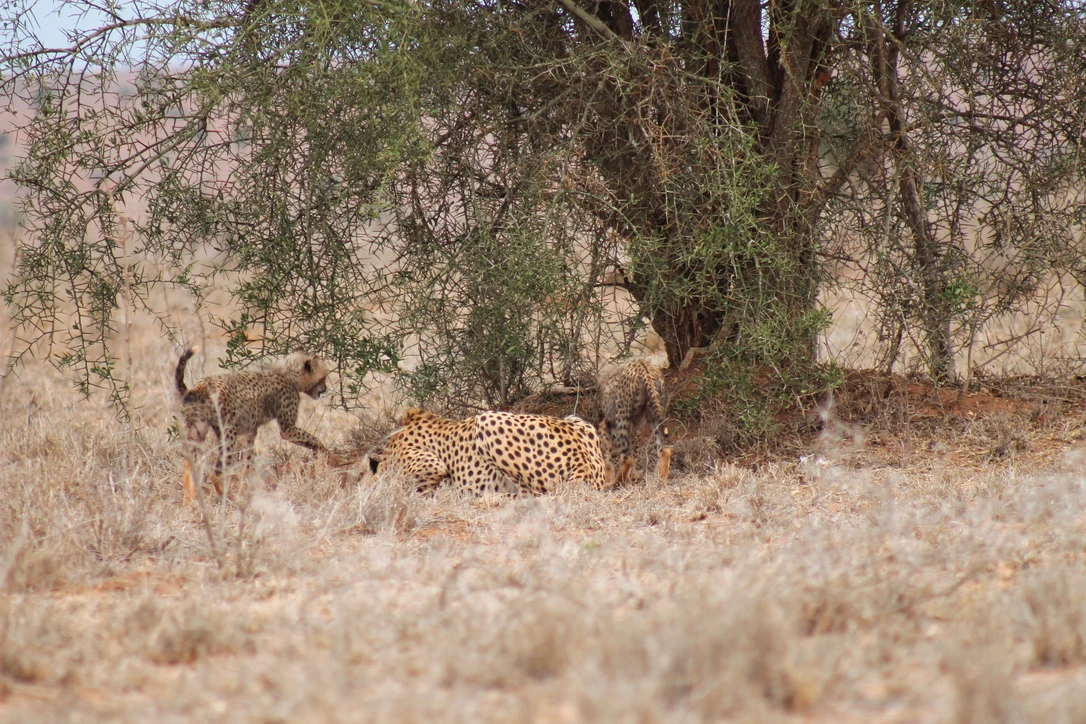
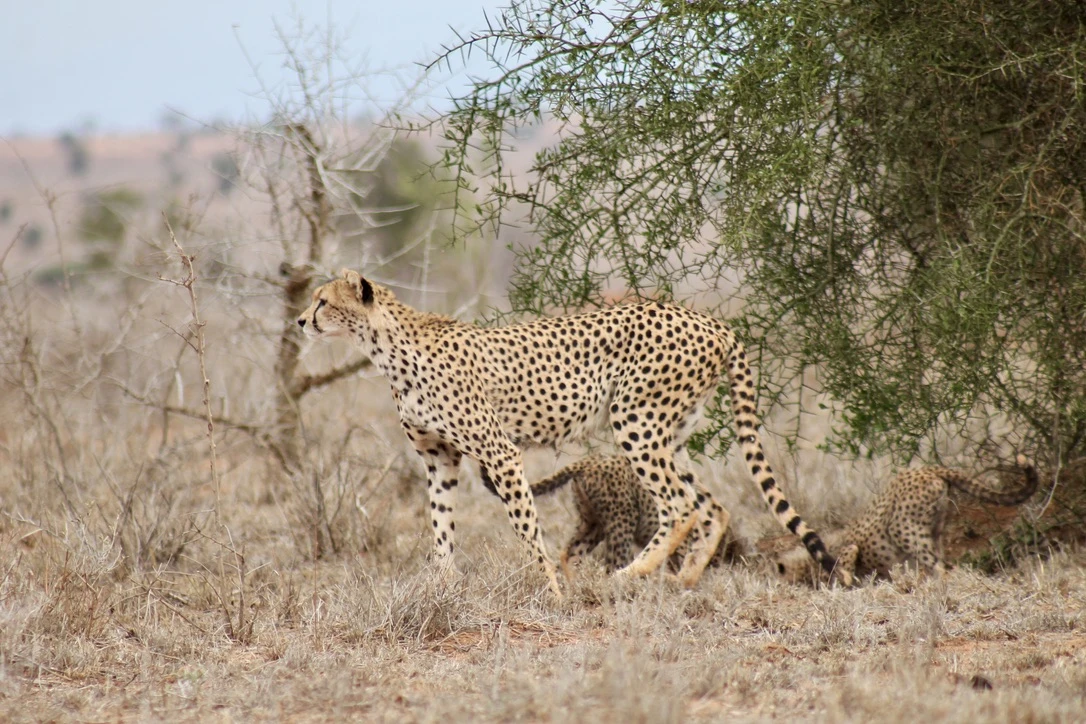
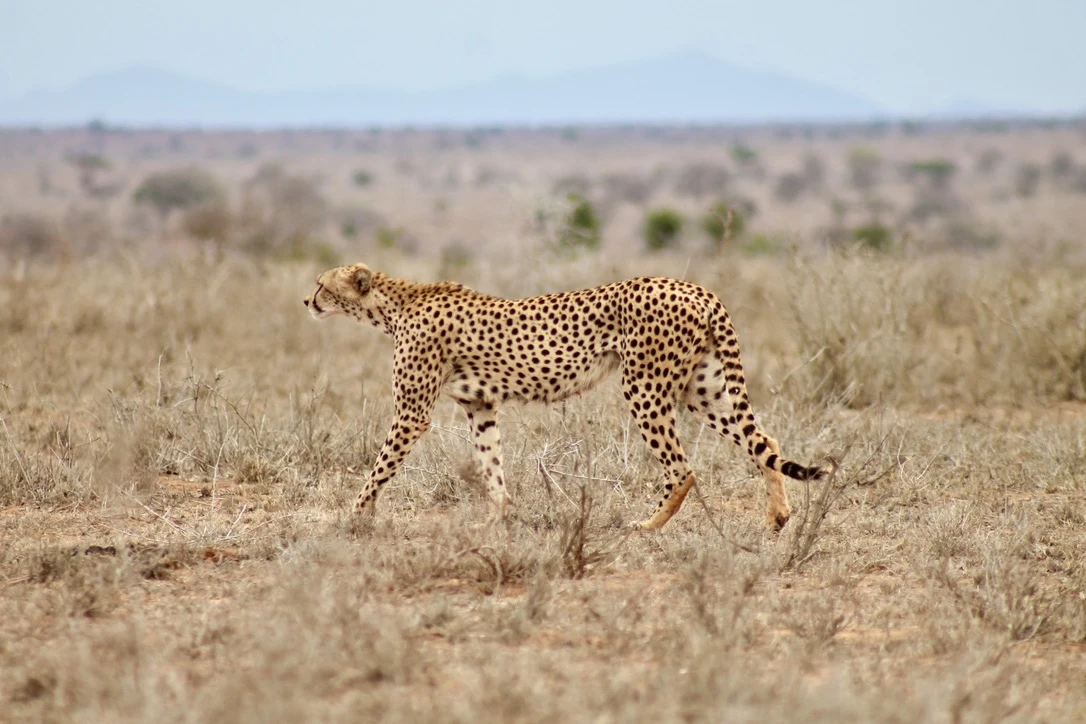
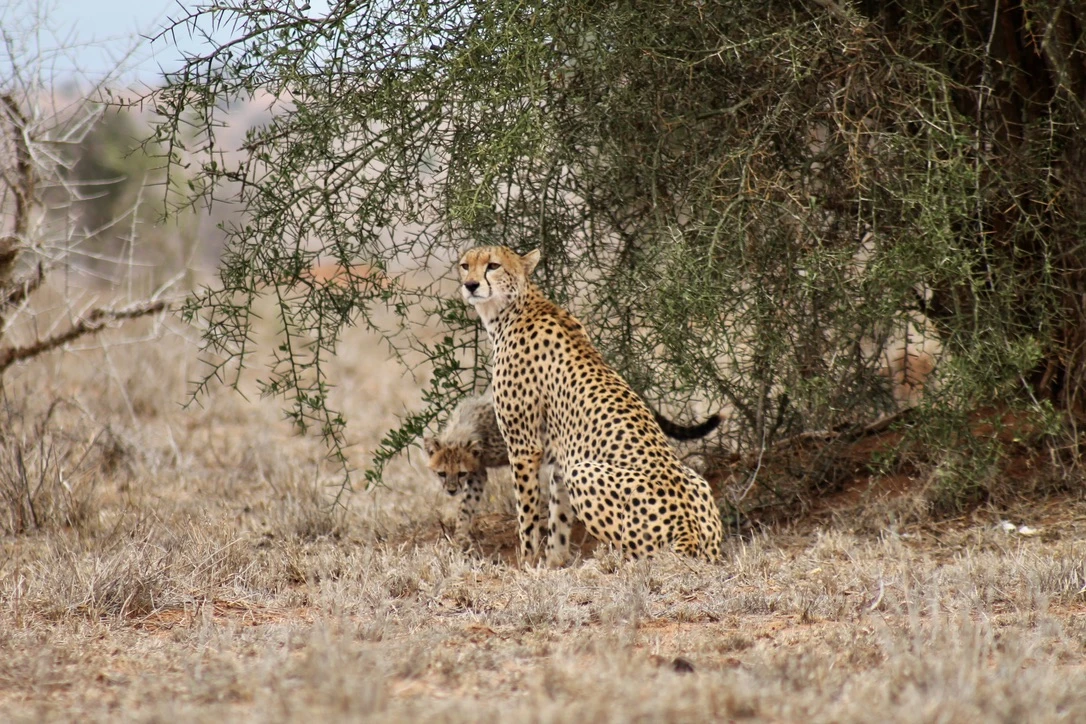
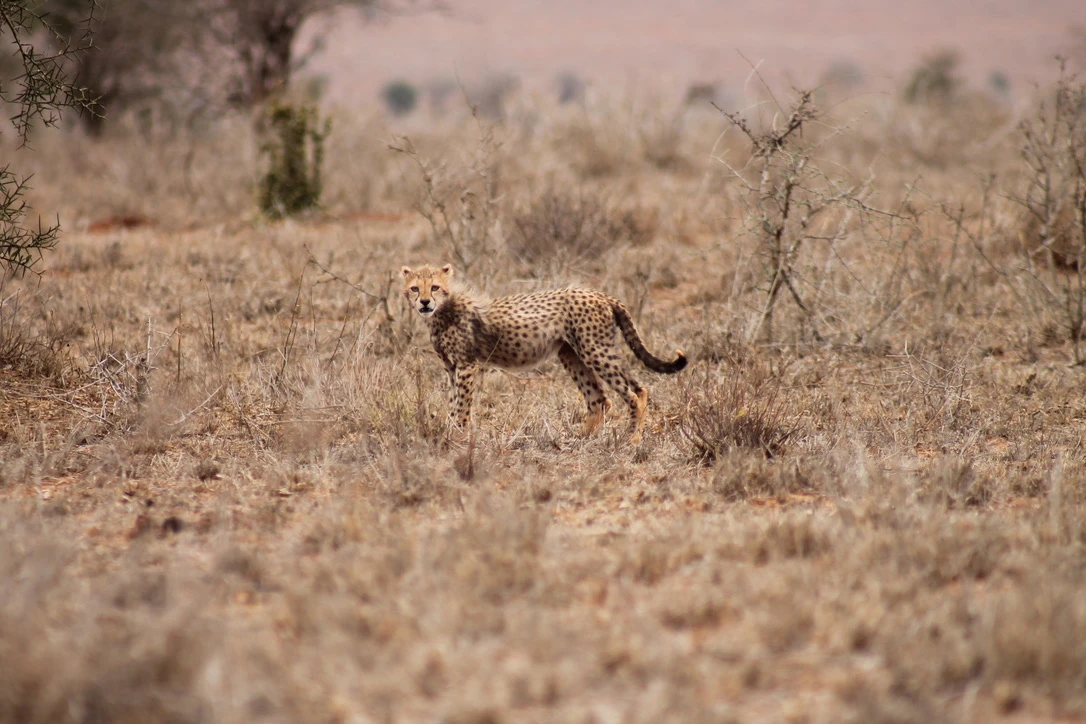
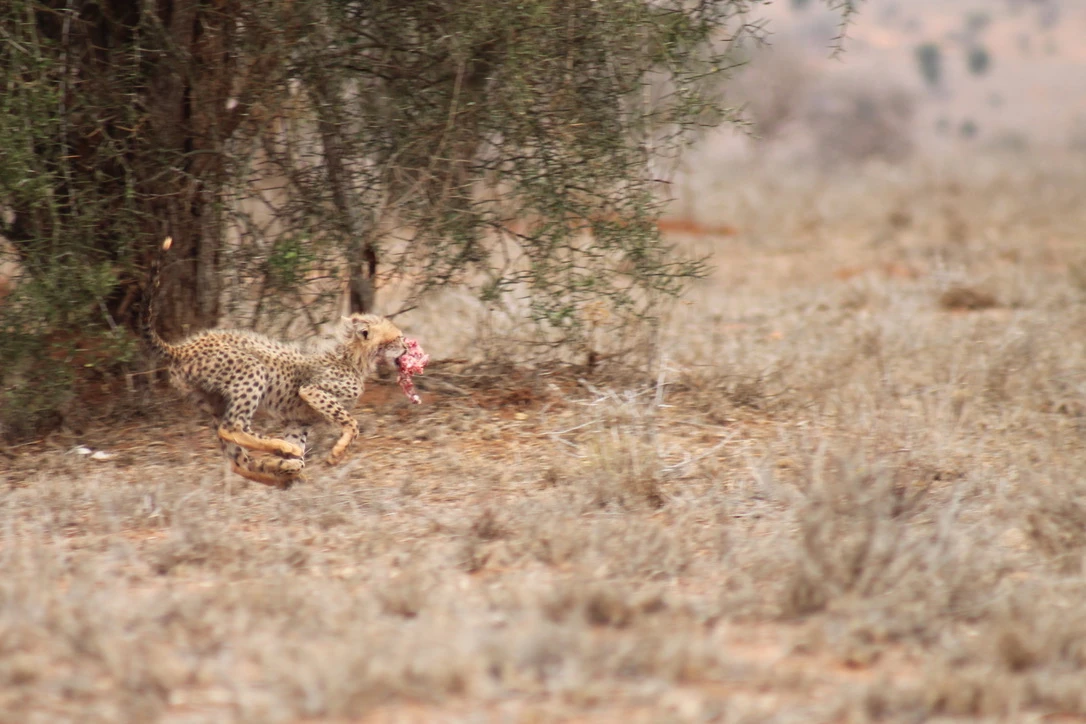
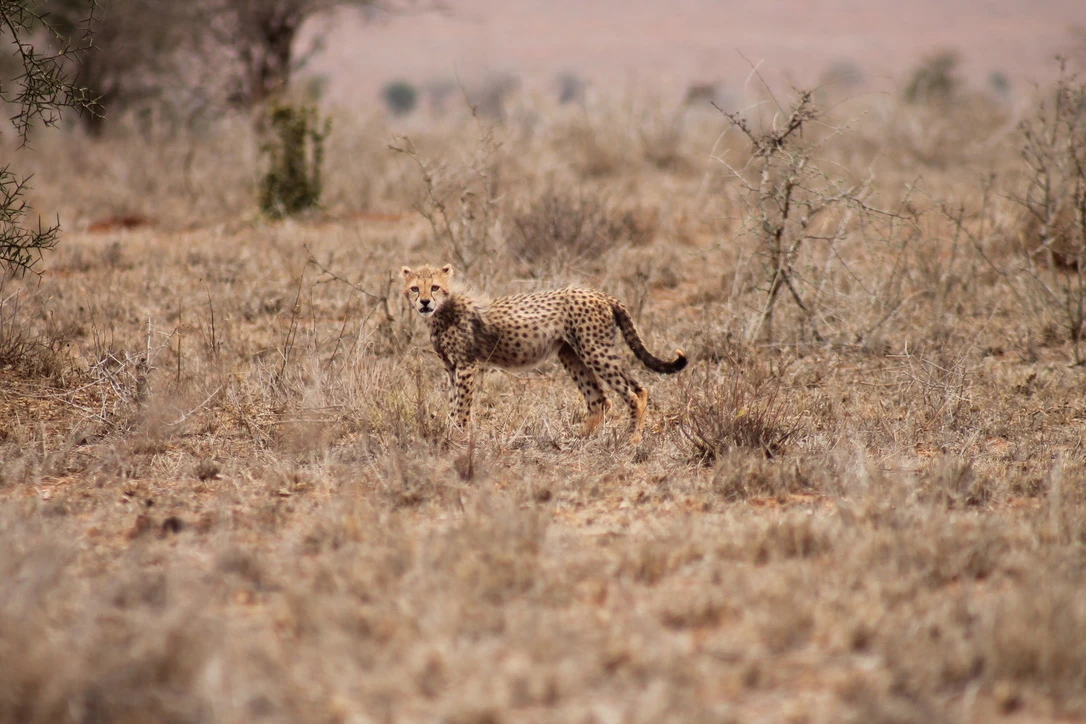
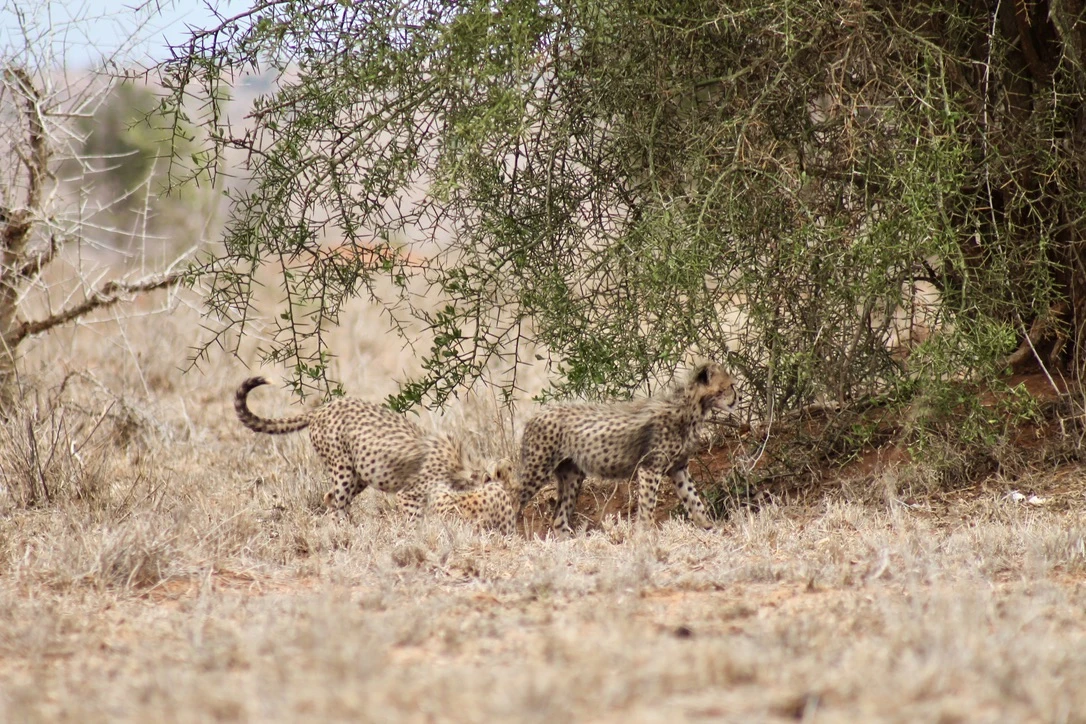
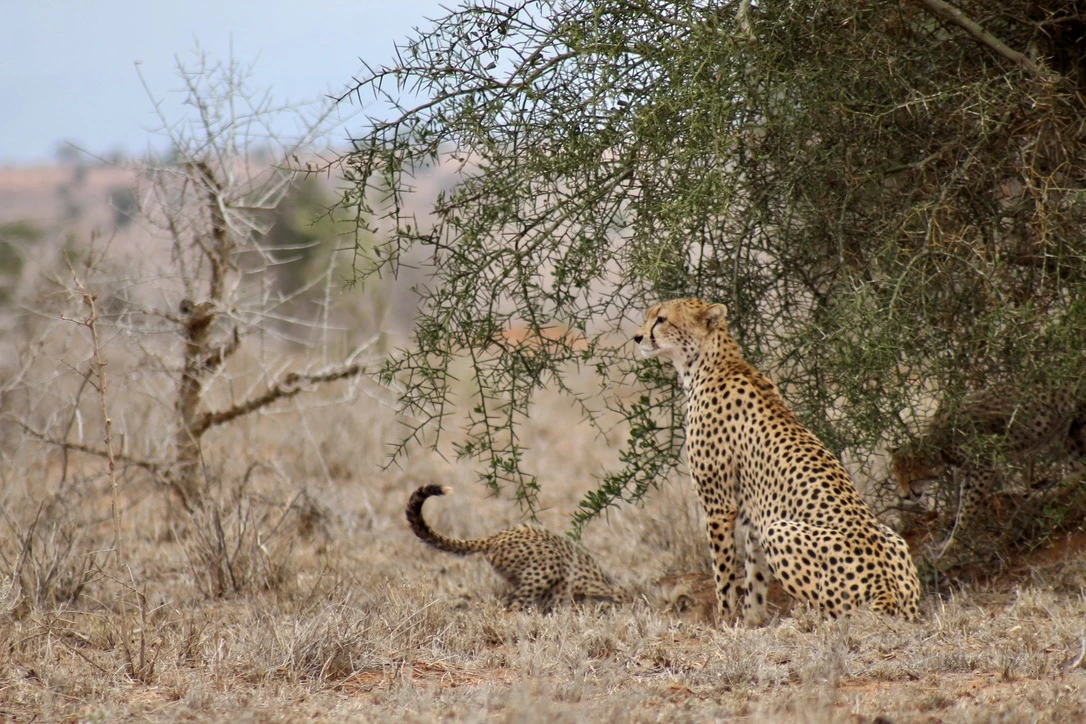
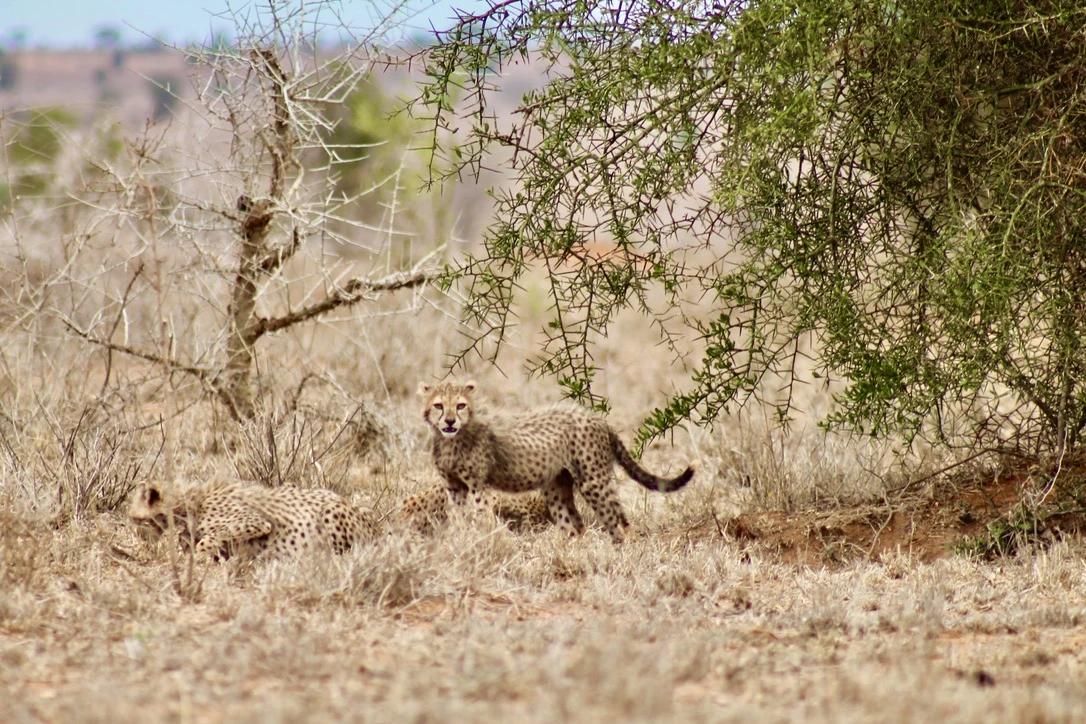
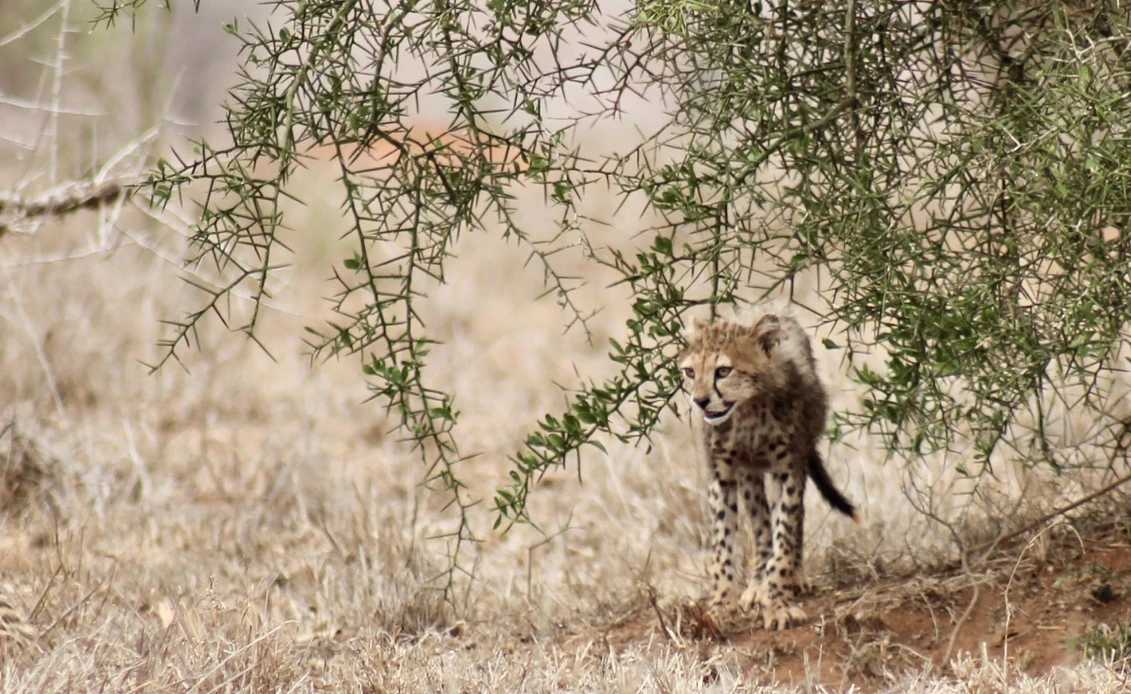
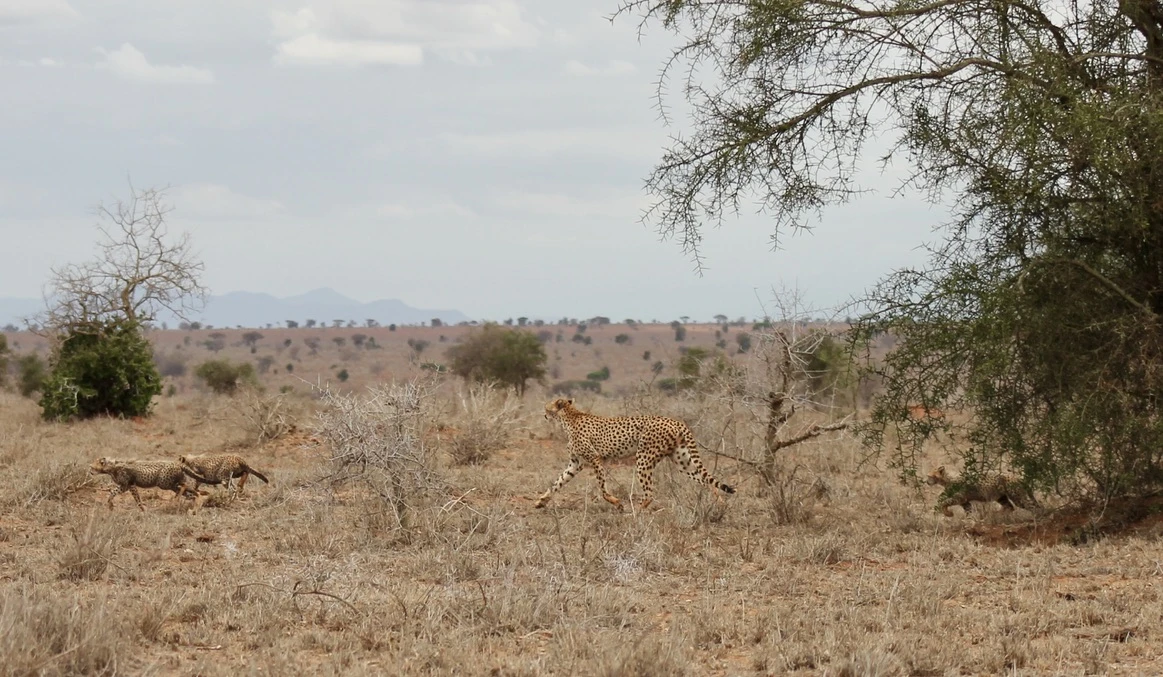
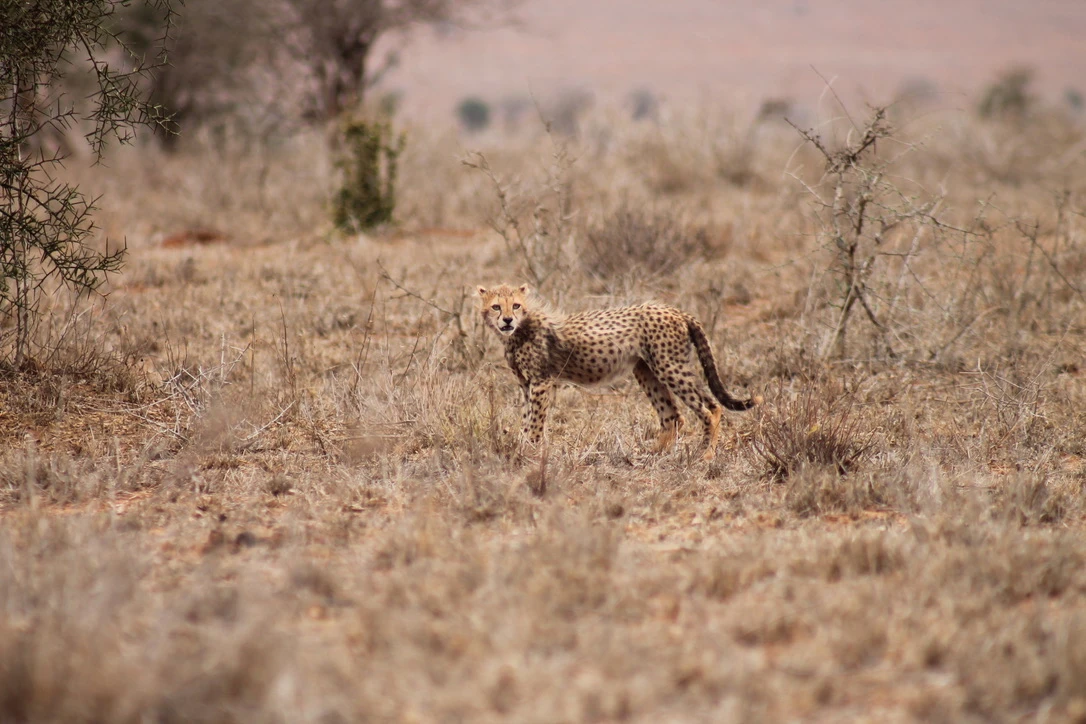
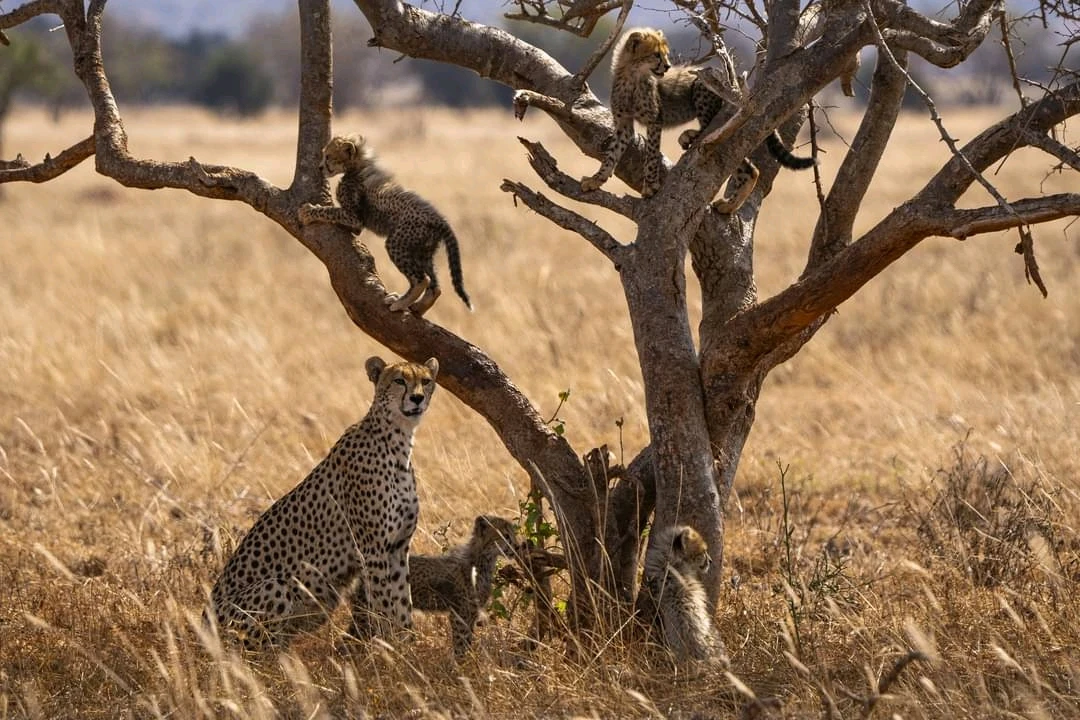
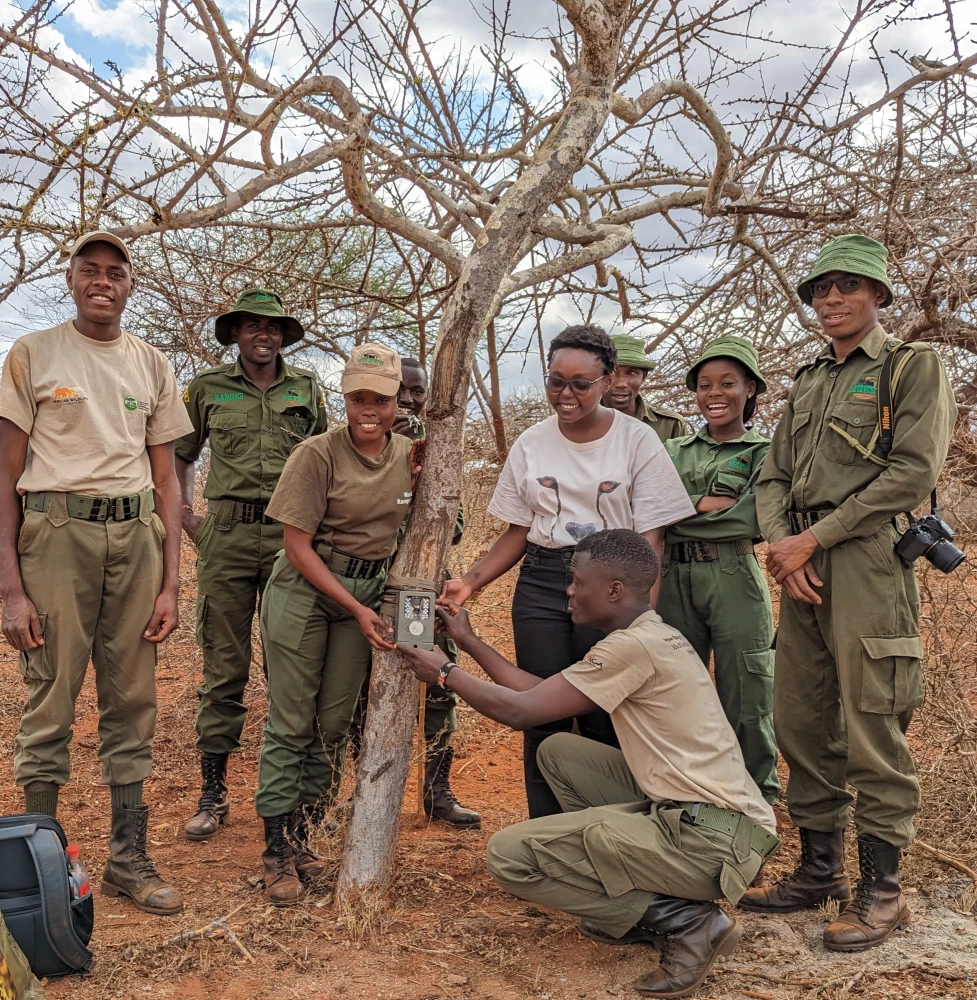
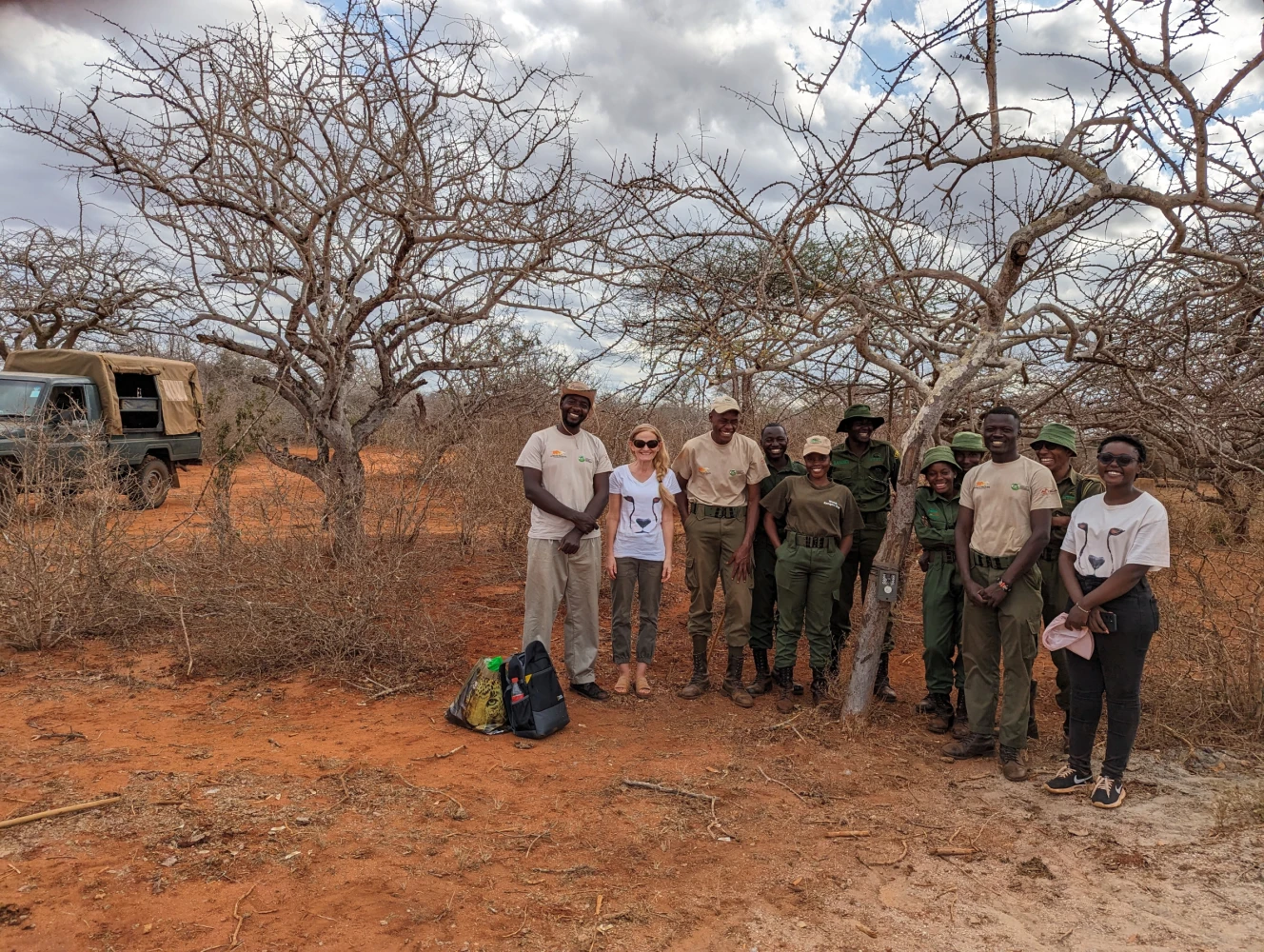
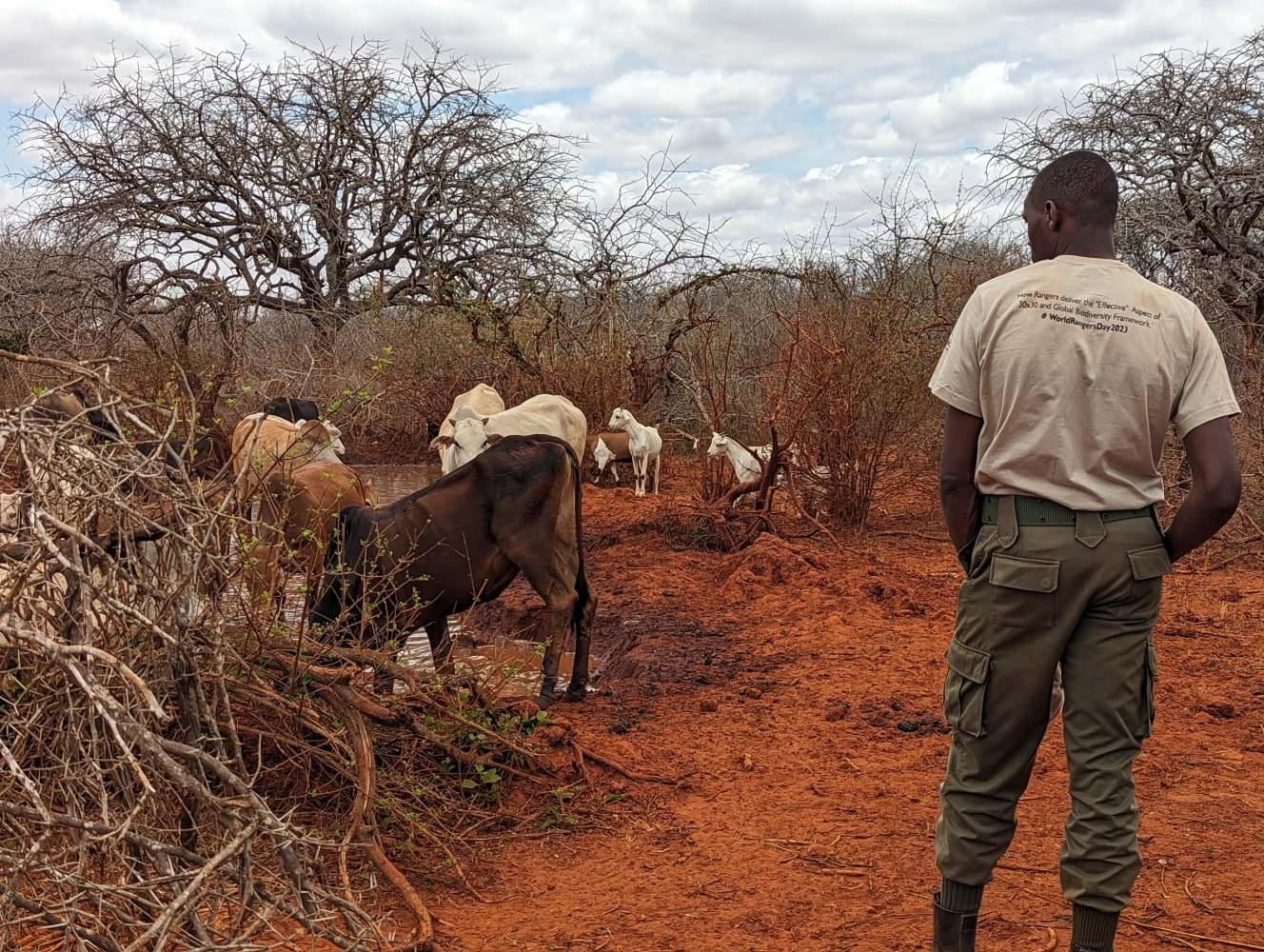
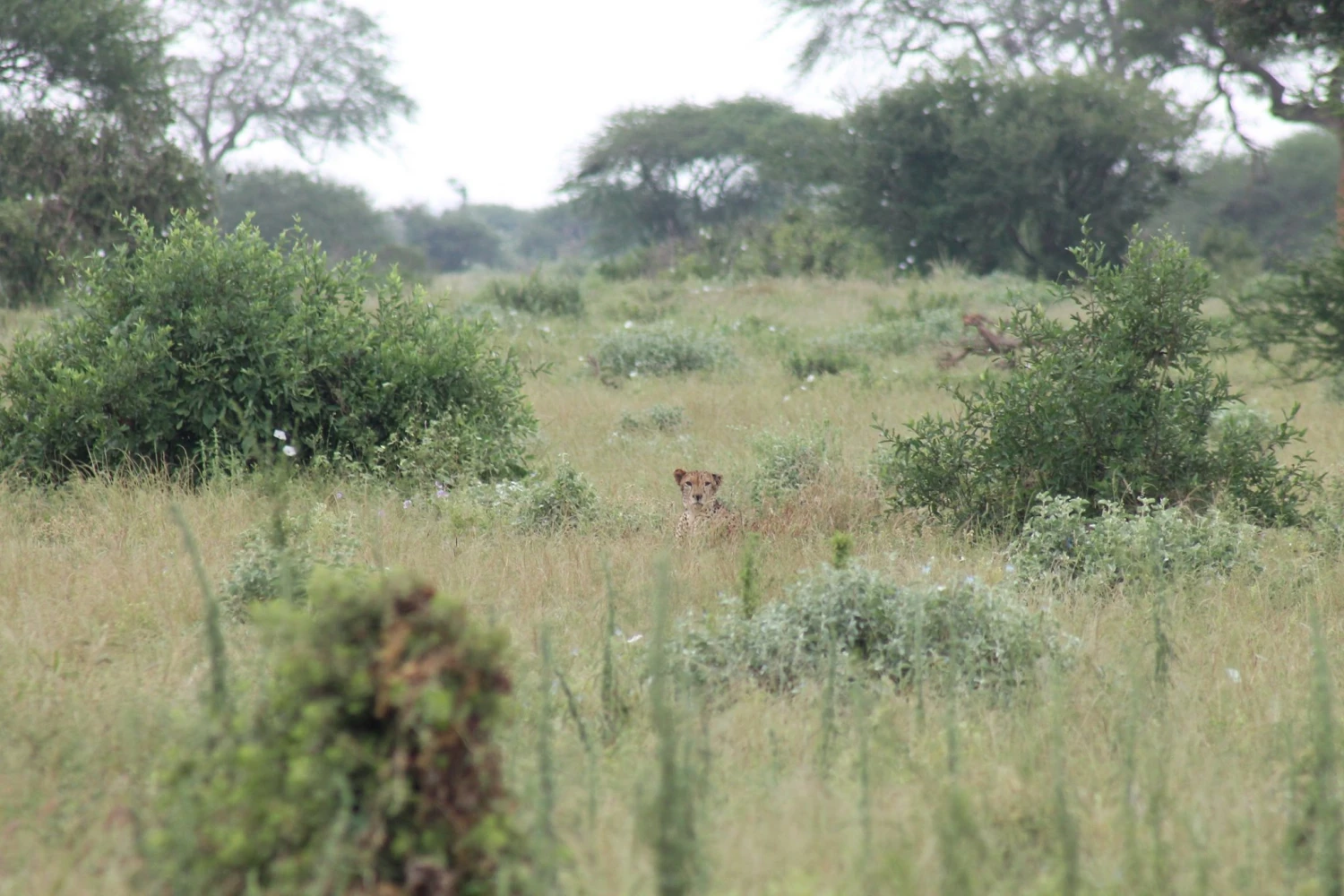
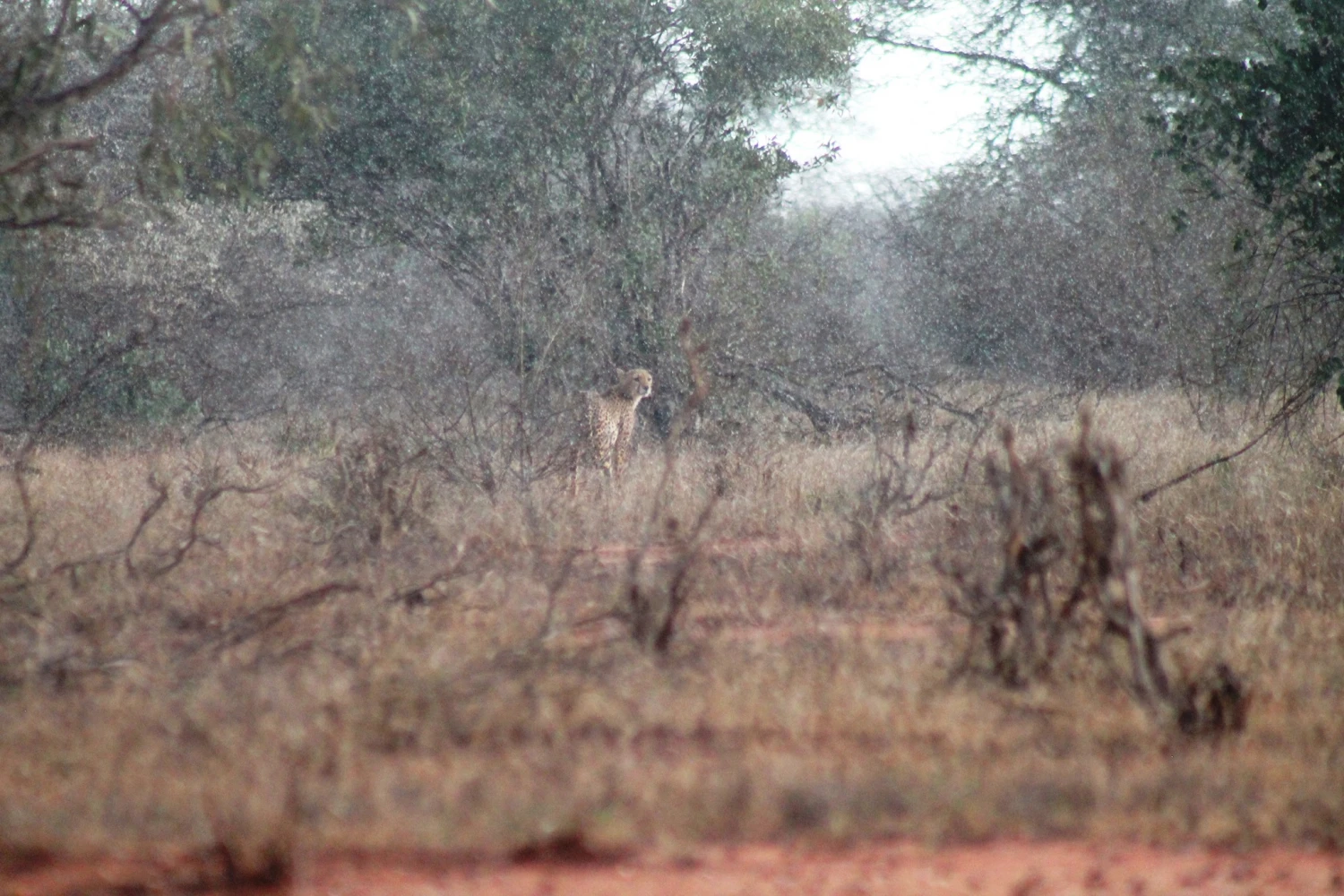
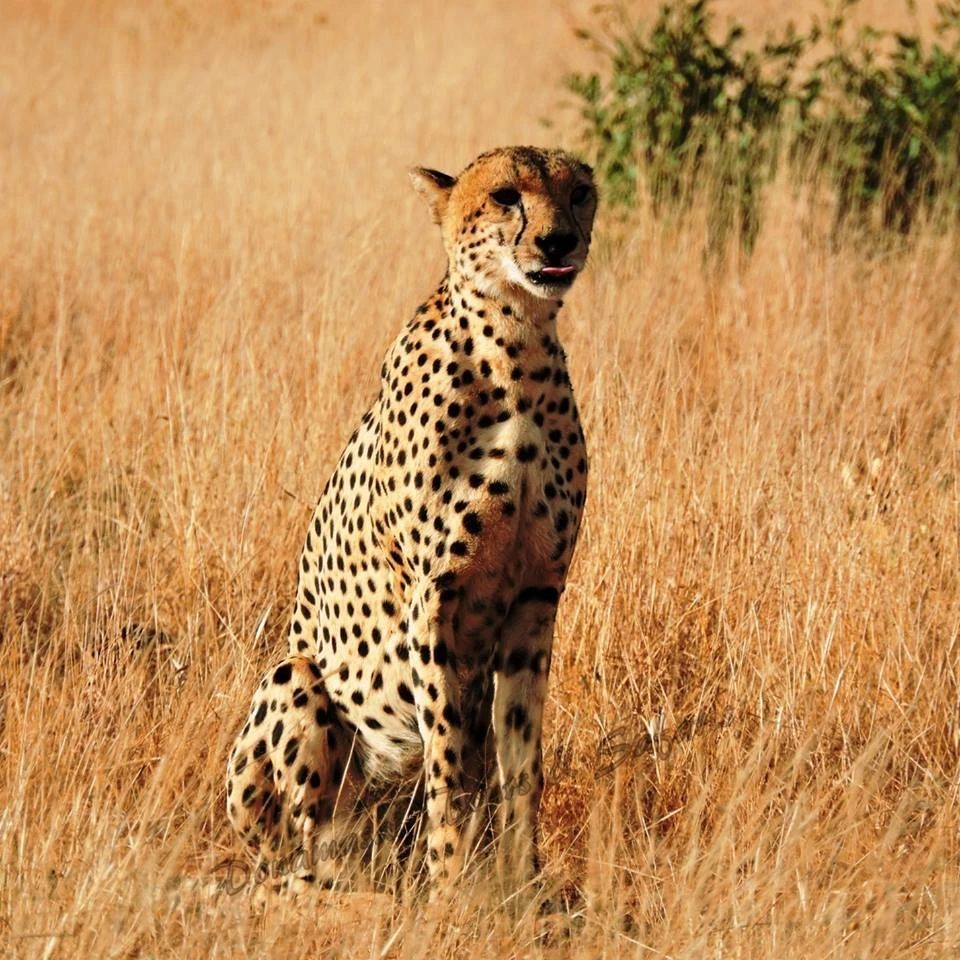
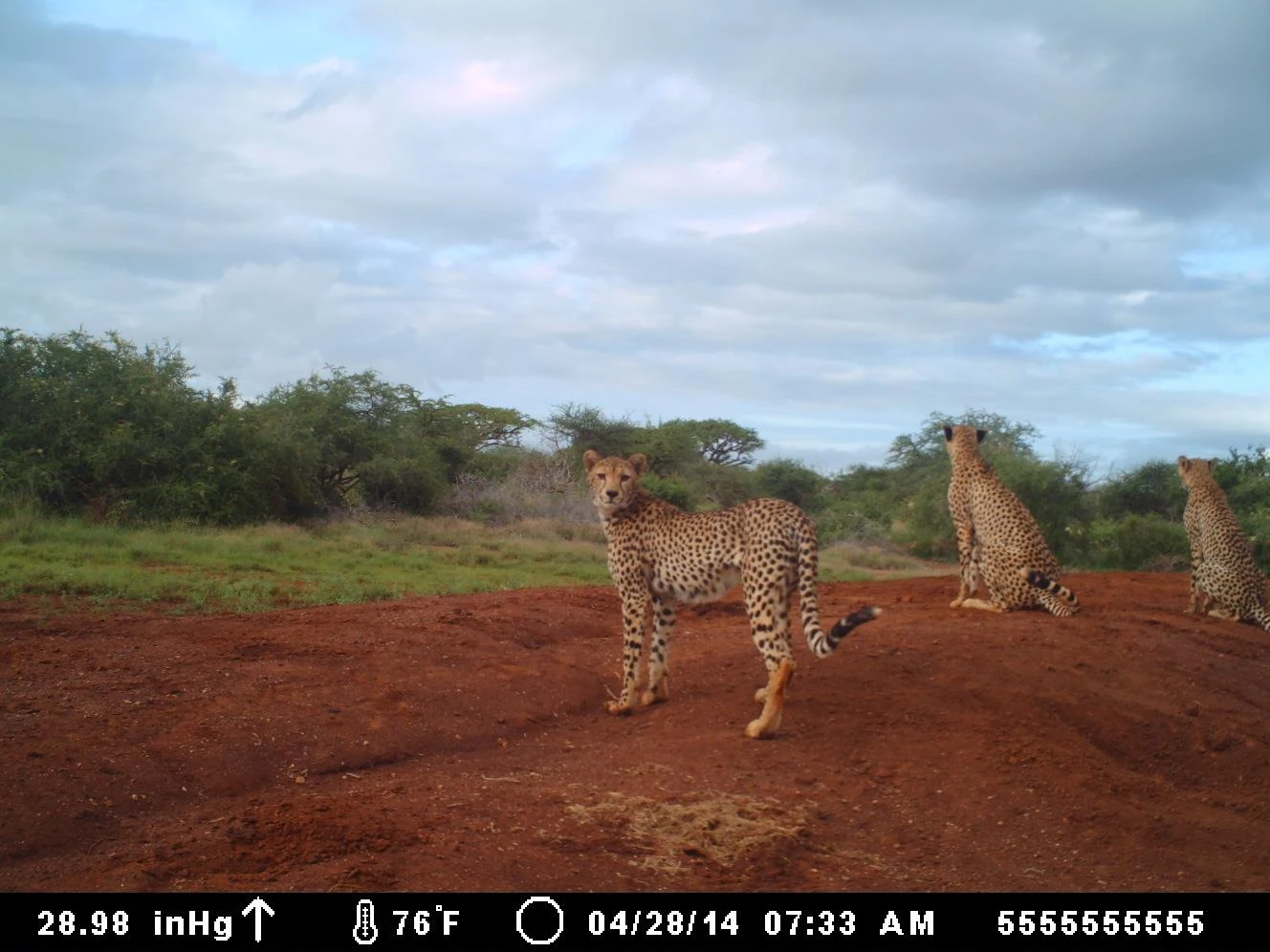
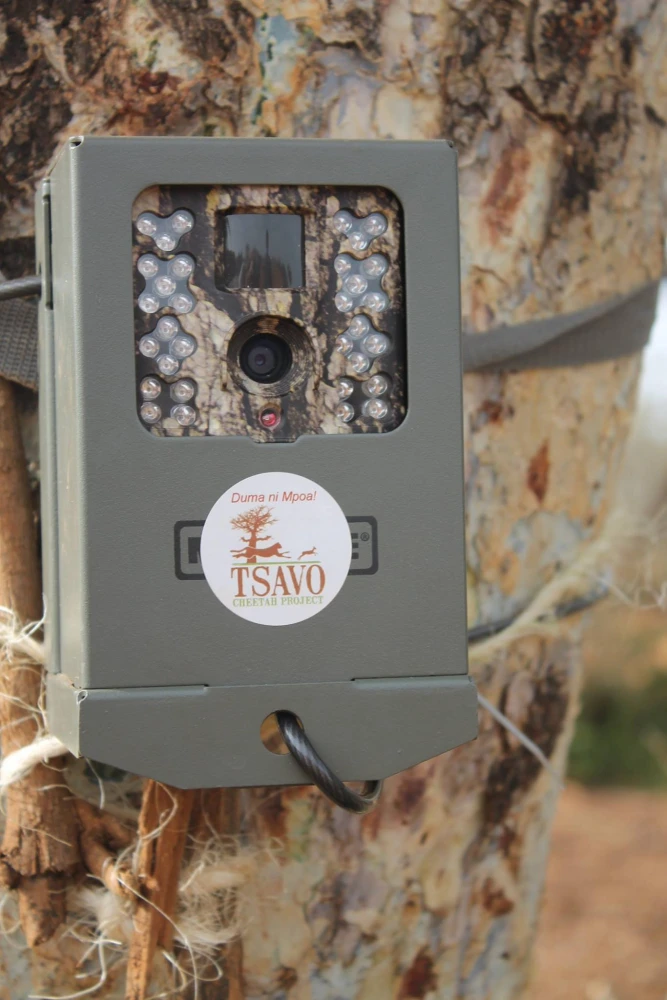
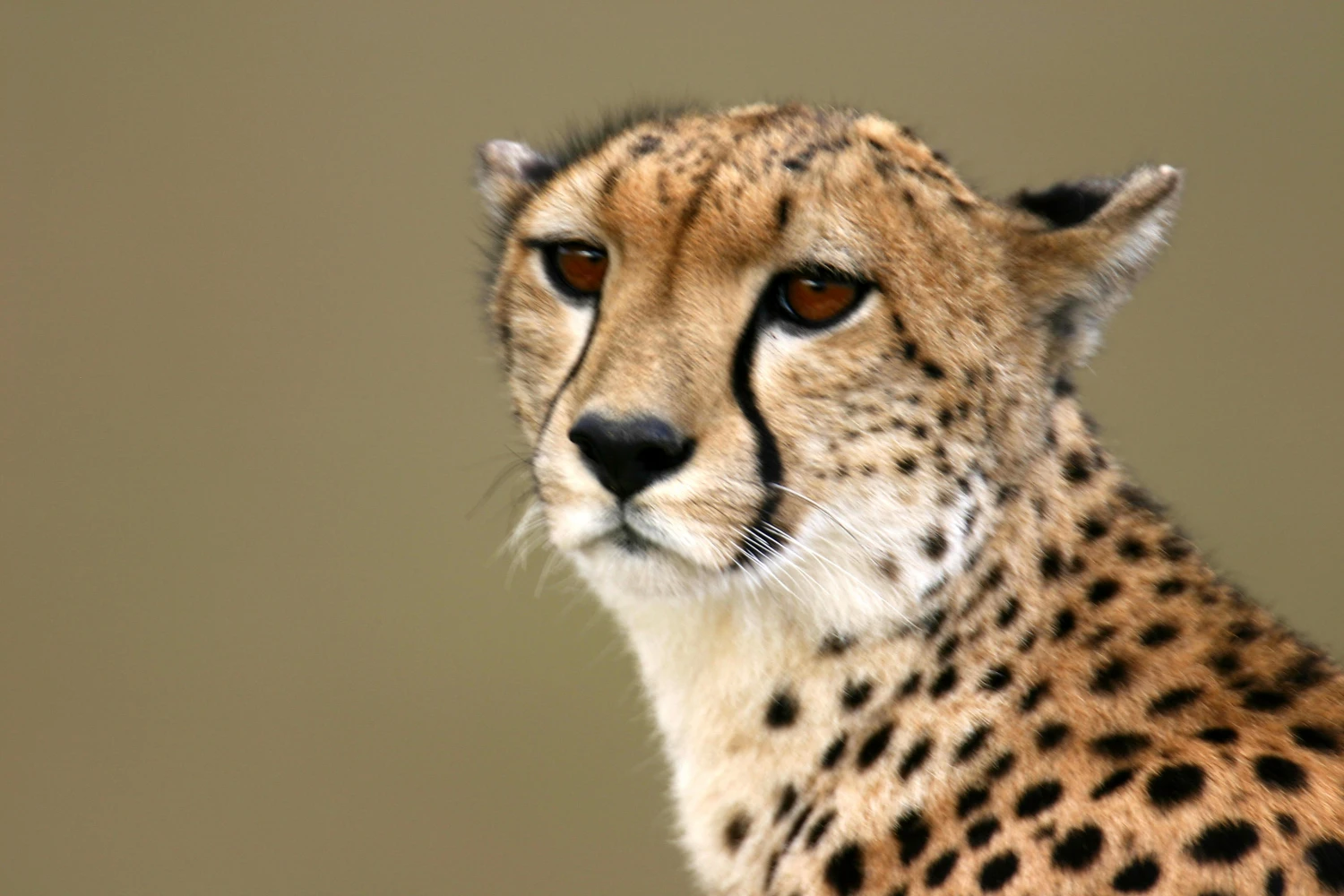
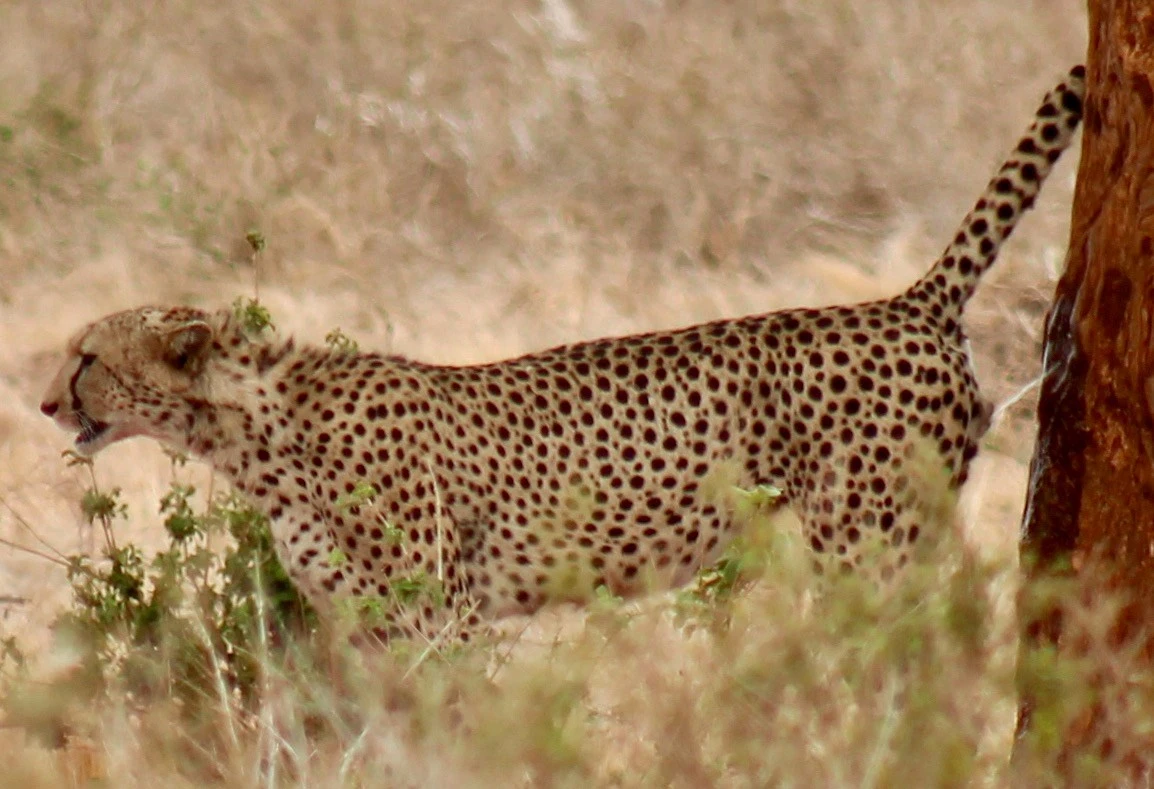
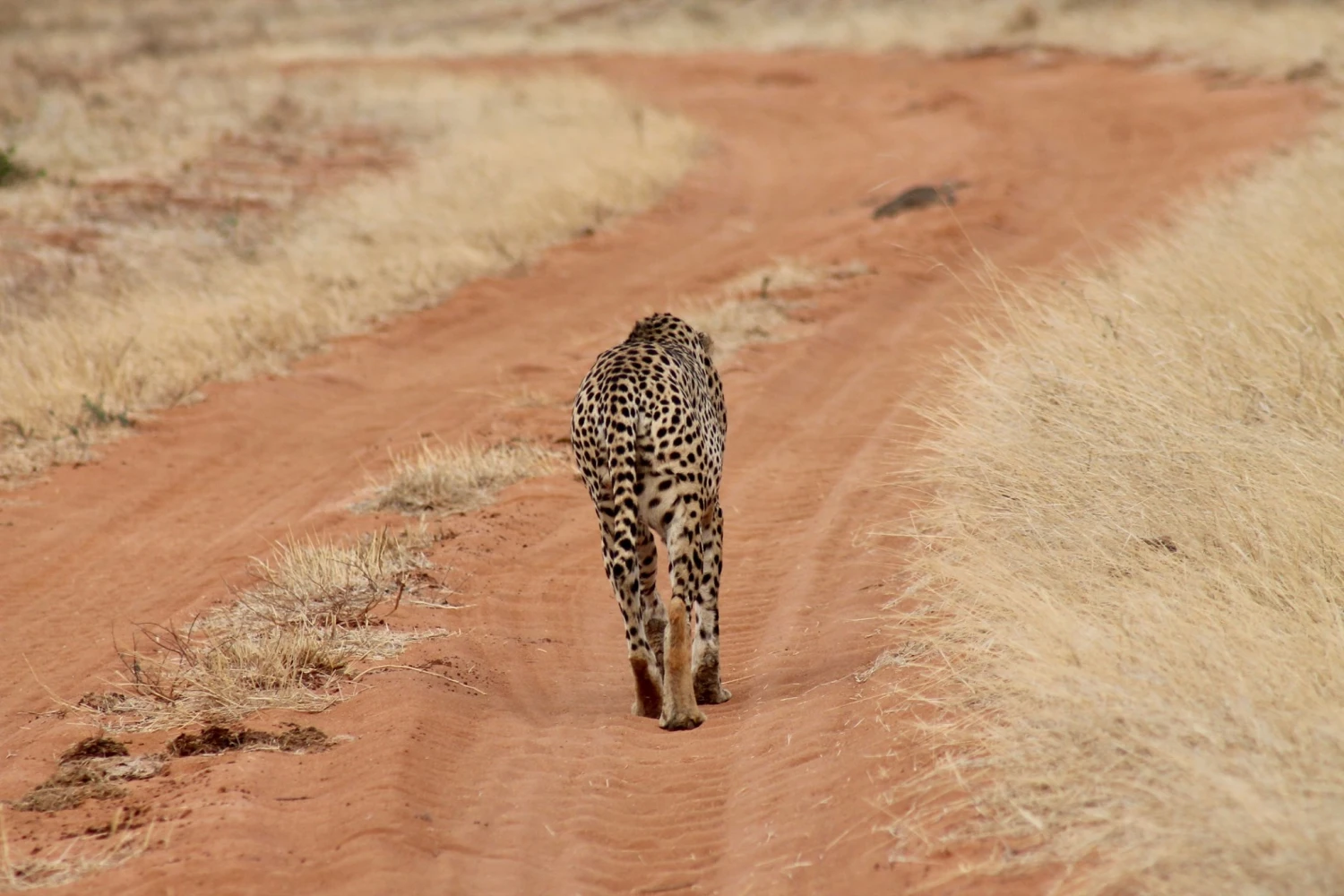
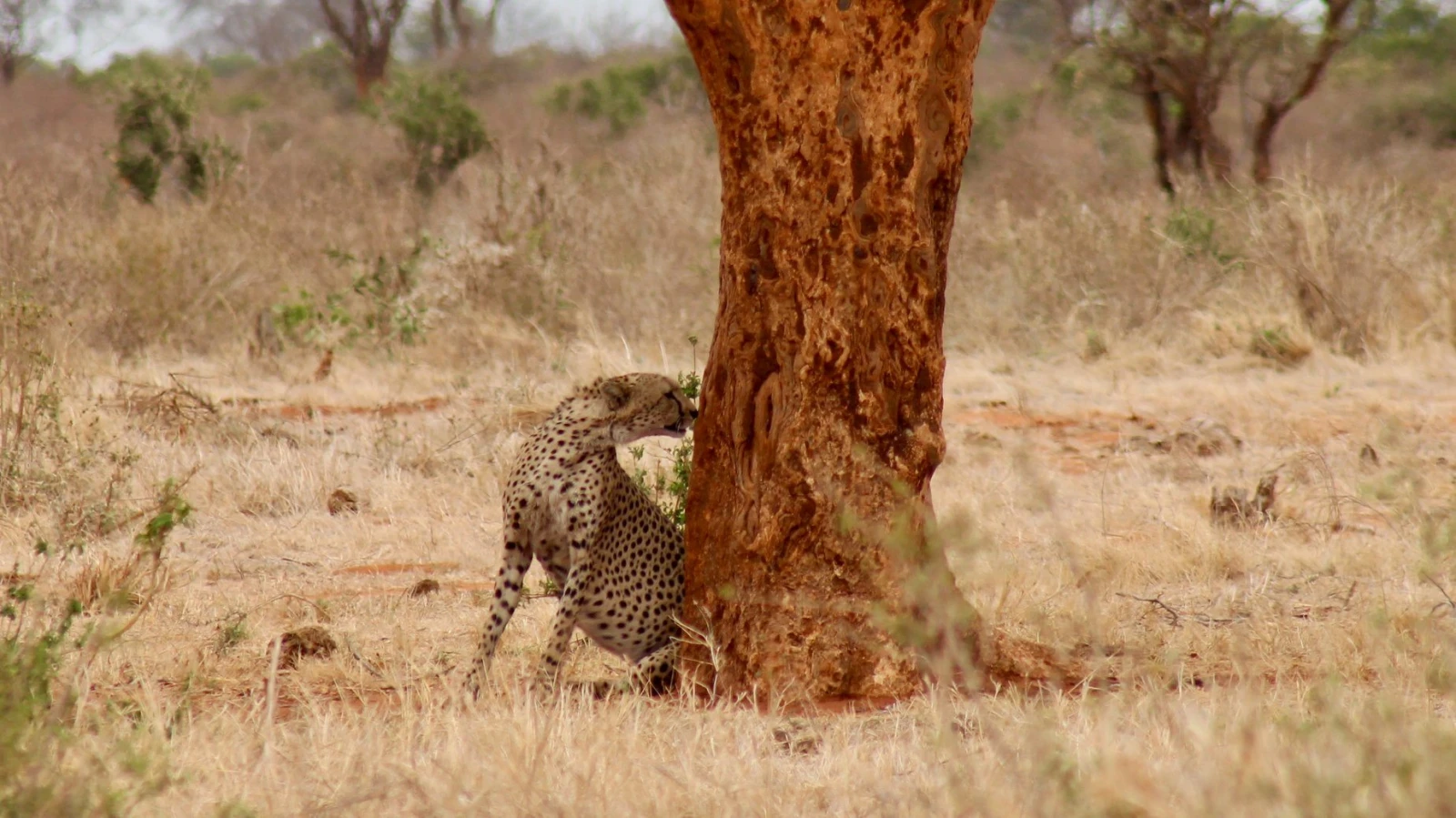
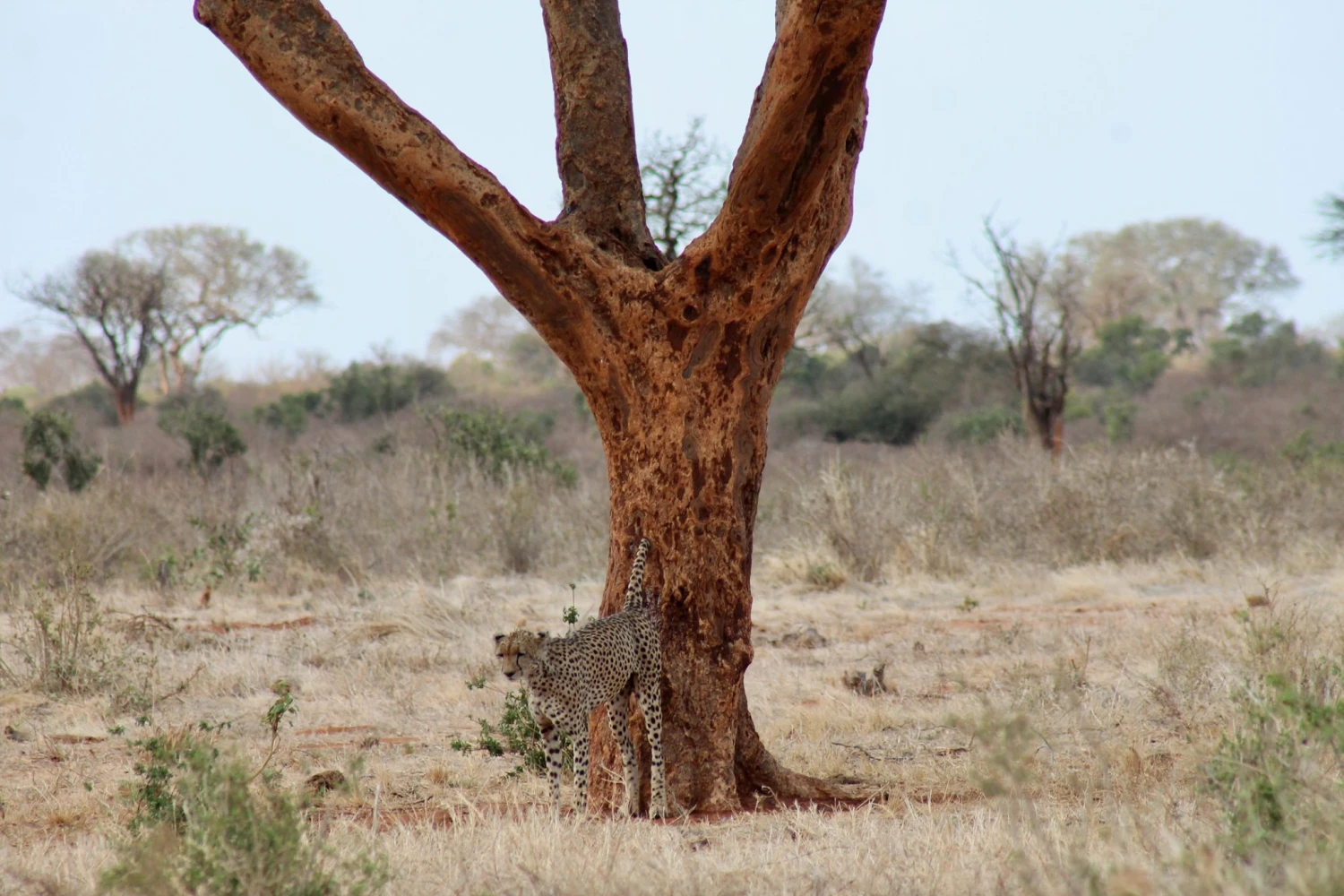
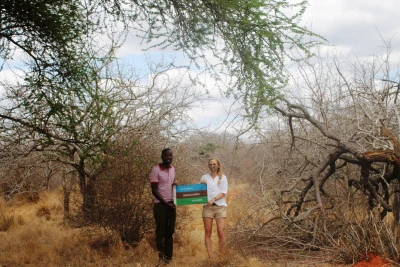
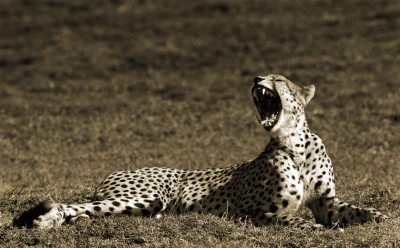
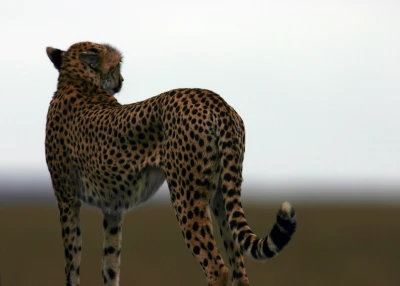
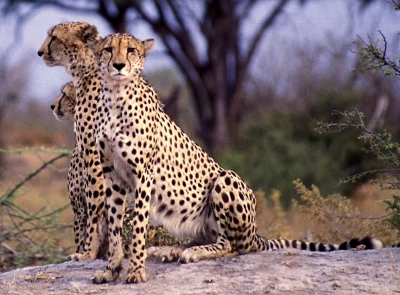
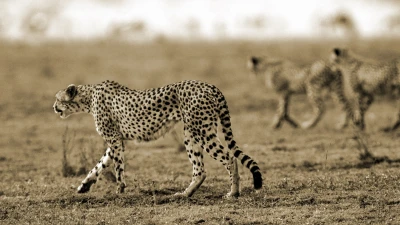
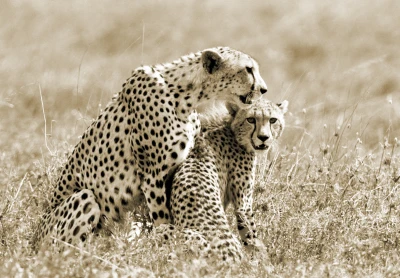
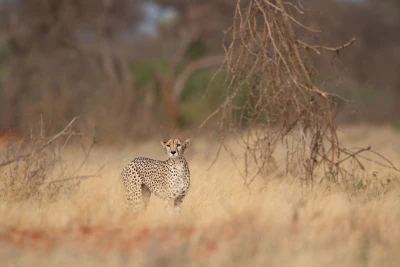
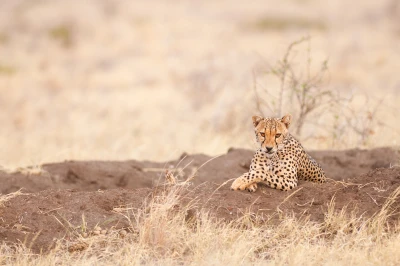
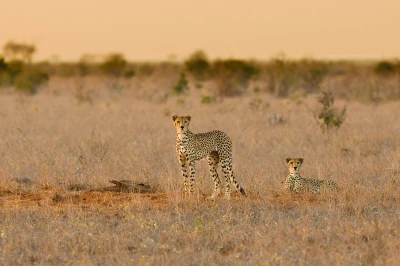
Worldwide, cheetah populations are estimated to be fewer than 7,000 individuals, with population strongholds existing in Southern and Eastern Africa. The cheetah population in Kenya is estimated to be fewer than 1000 individuals. Since its launch in 2011, the Tsavo Cheetah Project (TCP) has been working to fill a critical knowledge gap in cheetah conservation. In collaboration with the Kenya Wildlife Service (KWS) and the Wildlife Research and Training Institute of Kenya (WRTI), among other groups, TCP monitors cheetah populations across the Tsavo region using camera traps, and movement tracking. By gathering data on cheetah density, demographics, and movement patterns, the project maps key connectivity pathways while identifying human-caused barriers that threaten species’ survival. See the project page for more information.

















































Recent News & Updates
Vending machines and cantaloupes kill more people than Mountain lions
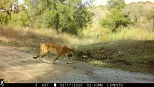
Just how dangerous are Mountains lions? Here are a few amusing facts for comparison.
Eyes in the Wild: The AI Revolution in Conservation Science
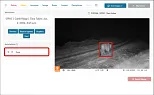
Wildlife researchers today can collect ecological data at scales that were unimaginable a decade ago.
A dazed tiger, a medical mystery, and a lesson in wildlife health

In March 2018, something unusual happened near the outskirts of Thimphu, the capital city of Bhutan. Photos emerged of a large male tiger wandering in broad daylight, unconcerned...
Recent News & Updates
Vending machines and cantaloupes kill more people than Mountain lions
ROOTNews
May 25, 2026Just how dangerous are Mountains lions? Here are a few amusing facts for comparison.
&...

Exploring the Influence of Artificial Light Pollution on Carnivore Behavior
General
April 07, 2026A growing body of research is examining how human activity alters when animals are active.
Avian Flu at the Urban Edge: Risks to Wild Cats and Human Health
General
April 06, 2026Avian flu (also known as bird flu or H5N1) is back in the headlines, and increasingly close to...