
Our Work
Why Conserve Pumas?
The puma (also known as mountain lion or cougar) is a keystone species. This means that pumas have a very large effect on their ecosystems! Without them, we run the risk of other wildlife populations growing unchecked. This imbalance in the ecosystem can lead to the loss of native species.
Continued urban expansion can put ecosystems at risk. Humans need a place to live, but our natural world is what makes that place worth living in. If we don't make the effort to learn about our ecosystem - even the species that might make us nervous - we're going to lose it. While the media often paints a villainous story about pumas, it is possible to live peacefully with them. We can build a world where we live in harmony with pumas and preserve our local ecosystem.
Our Conservation Goals
The Bay Area Puma Project's primary goal is to create a world where humans and pumas live together peacefully. We're doing this by increasing the locals’ knowledge through evidence-based research. By improving awareness about pumas, we can decrease conflict and improve co-existence.
Not only will this help preserve local ecosystems, it will also help people feel more comfortable in their homes. Bay Area residents will be able to adventure in their local nature without fear. Instead, they will see the natural world through a lens of awe, with a deeper understanding of what's at play around them.
The Impact Of Research
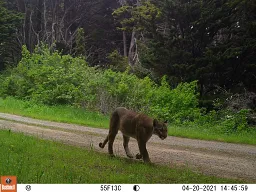
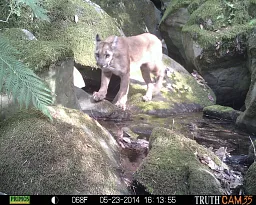
Our research methods are highly innovative and non-invasive. We maintain a camera trap network across the Bay Area and also study puma genetics via their scat (feces) and diet via their hair. Because our efforts are so hands-off, we've been able to track pumas better than ever before. We're truly seeing their natural movements and patterns.
With a better understanding of local pumas' natural behaviors, we can better educate communities on living near them. With ongoing community engagement, we have seen a decrease in conflicts. Instead, we see locals advocating for pumas and living without fear of their natural neighbors.

The Bay Area Puma Project is organized and funded by the Felidae Conservation Fund.
The Felidae Fund is an international organization dedicated to the preservation of wild cats. They set the standard on community education and research about wild cats.
The Bay Area Puma Project Story
BAPP was born in 2007 when the Felidae Conservation Fund leaders saw a specific need in the Bay Area and they partnered with UCSC and CDFW. This quickly growing metro was seeing an increasing number of puma sightings. The media was quick to spin the narrative and turn the cats into villains. While this has permanently stained the reputation of pumas, we believe there is hope to correct the story, and replace it with evidence-based knowledge.
Since our inception, we have worked hard to improve relations with pumas throughout California and the Americas. Our conservation efforts have impacted thousands and allowed for local residents to feel confident in their homes and nature. Not to mention our research has revolutionized the way we see pumas. But they are not out of danger... Humans remain the pumas' biggest threat.
Our Multifaceted Approach
BAPP's program addresses these conflicts with a complementary set of initiatives.
Research
- collect data on puma movements, biology, ecology and behavior
- analyze data and develop conclusions about local puma populations
- develop documents that support conservation and contribute to scientific knowledge
Education
- inform local residents, reduce tensions, increase understanding
- give students deeper appreciation for local ecosystems
- connect people to nature using the latest technologies
Conservation
- secure protection for critical linkages
- secure protection for priority habitats
- minimize human-puma encounters through better land use policies
The scientific insight and public support that BAPP generates will help reduce tensions, increase understanding, and influence communities to protect key habitats and corridors.
The Cat in the Bottleneck
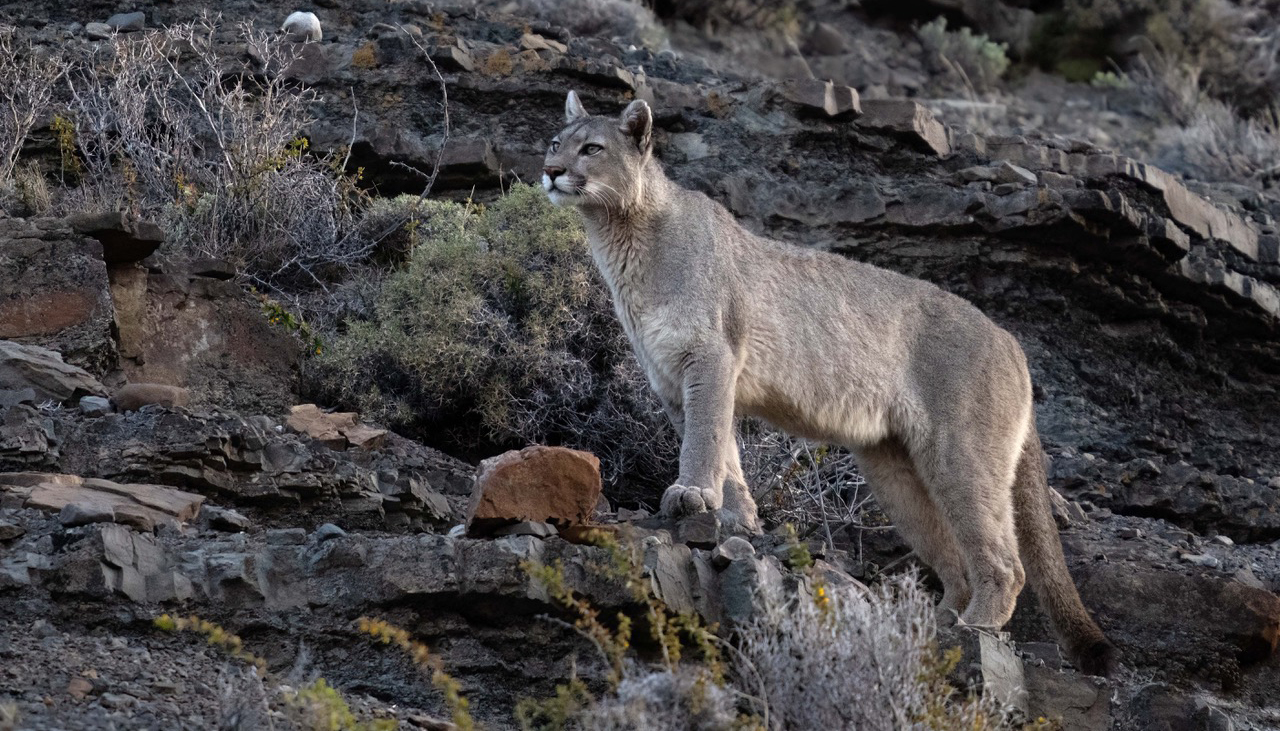
A young male puma must cross freeways and developed areas to reach the Diablo Range, or his population edges toward local extinction.
Photo by Sharon Osberg
Impact by the Numbers
Decades of work. Measurable results.
0
Data Points
Collected via camera traps, fecal samples, hair samples, and community-submitted research
0
People Reached
Through in-person events, virtual workshops, and classroom programs since 2022
0
Volunteers
Contributing 9,957+ hours to field work, data entry, software engineering, AI training, citizen science, writing, and community programs
0
Active Studies
Spanning 4 continents and 7 distinct ecosystems worldwide
Our Mission
Protecting local wildlife and the spaces they call home
Innovative Wild Cat Research and Conservation
Field Research
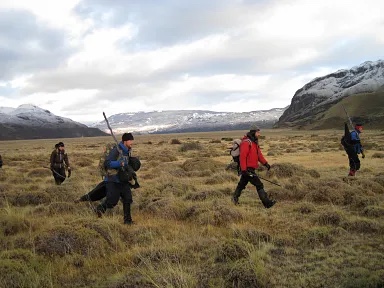
Camera traps, fecal surveys, hair surveys, bioacoustics, and health biomarkers across two continents give us the data to act precisely where it matters most.
Explore our projects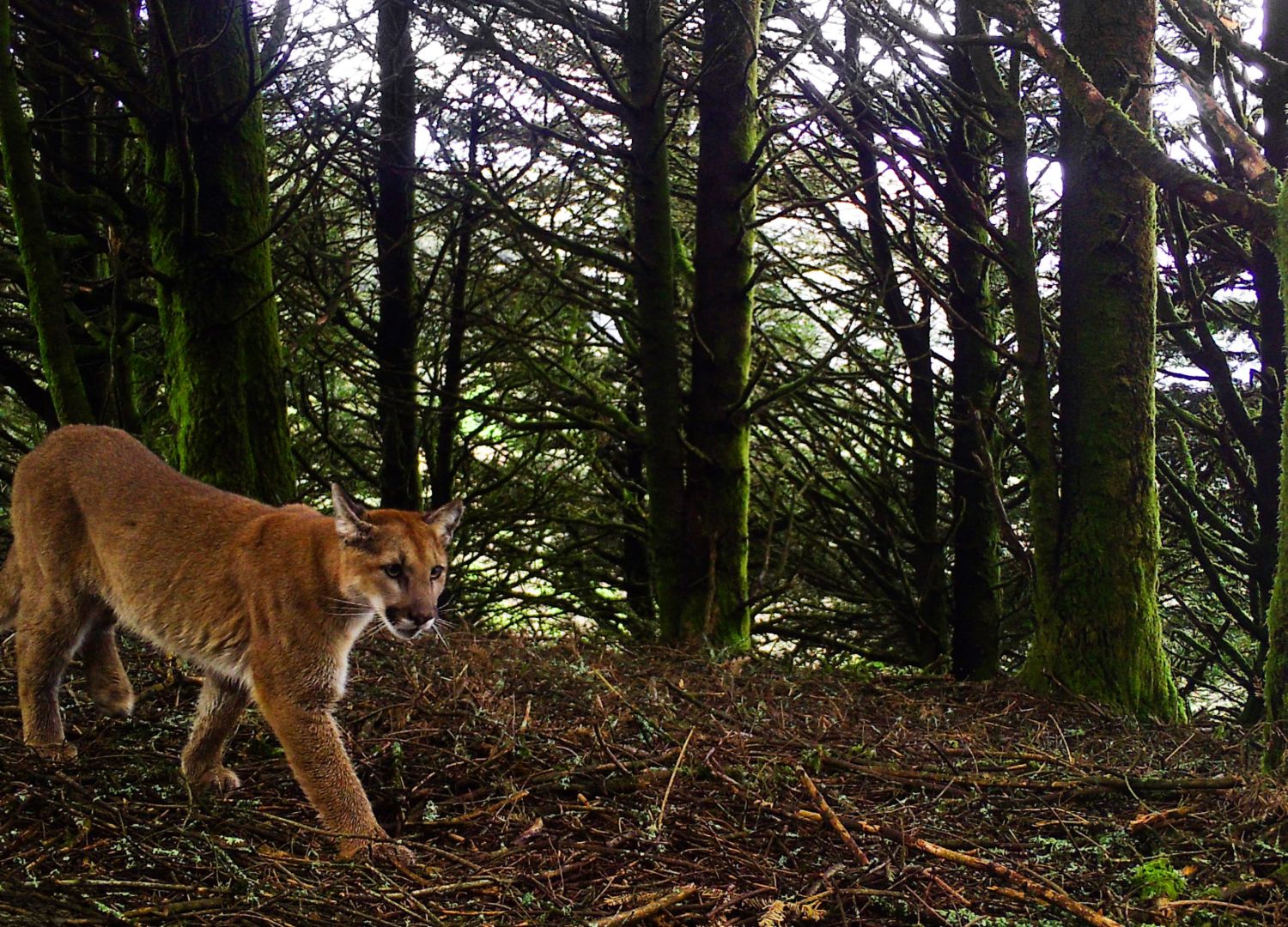
Habitat Protection
Working with landowners, policymakers, government agencies, and indigenous communities to identify and maintain corridors where wild cats can move through safely.
Learn about ecosystems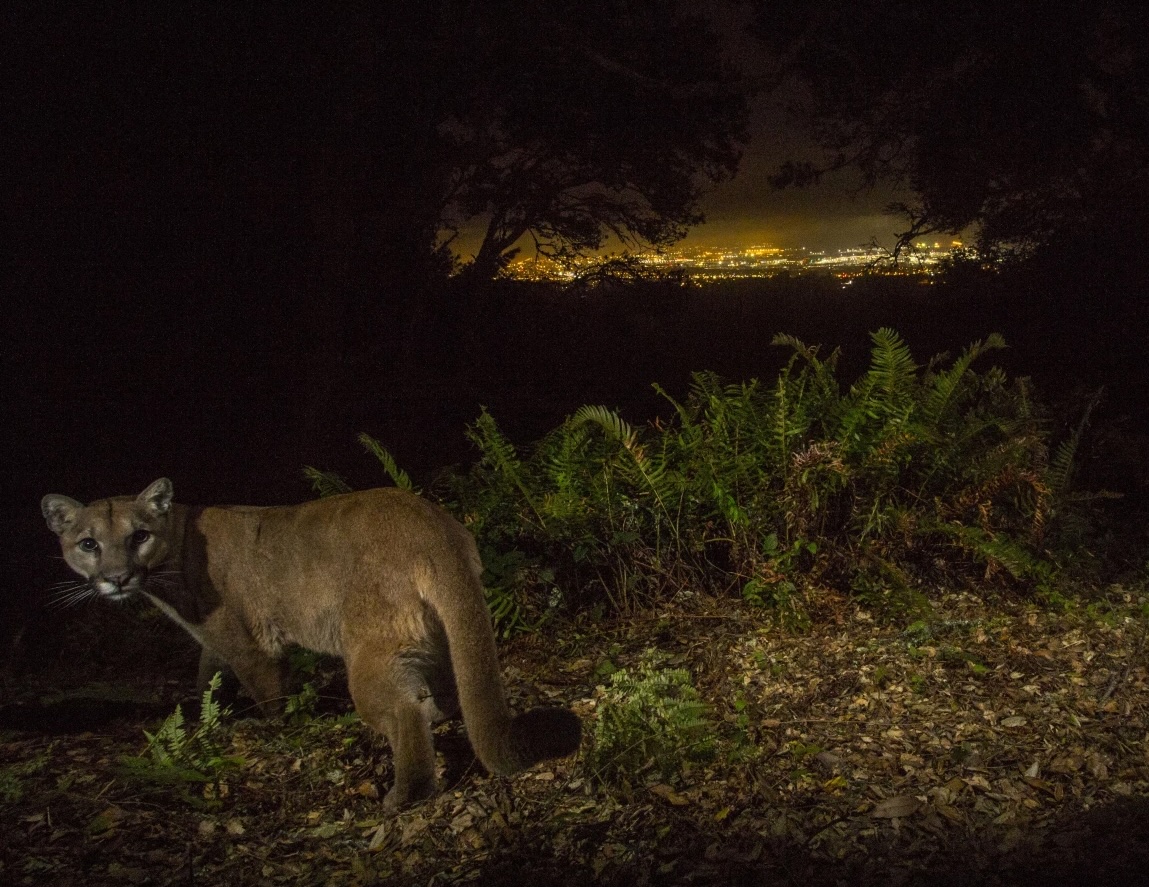
Education & Coexistence
Equipping communities with tools to live alongside wild cats. Reducing conflict, building the understanding that fuels long-term protection.
Coexistence resourcesWild Cats of the World
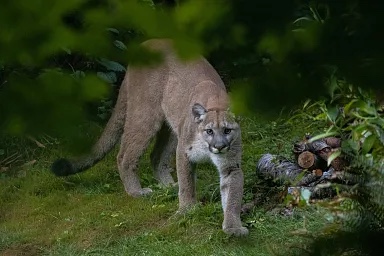
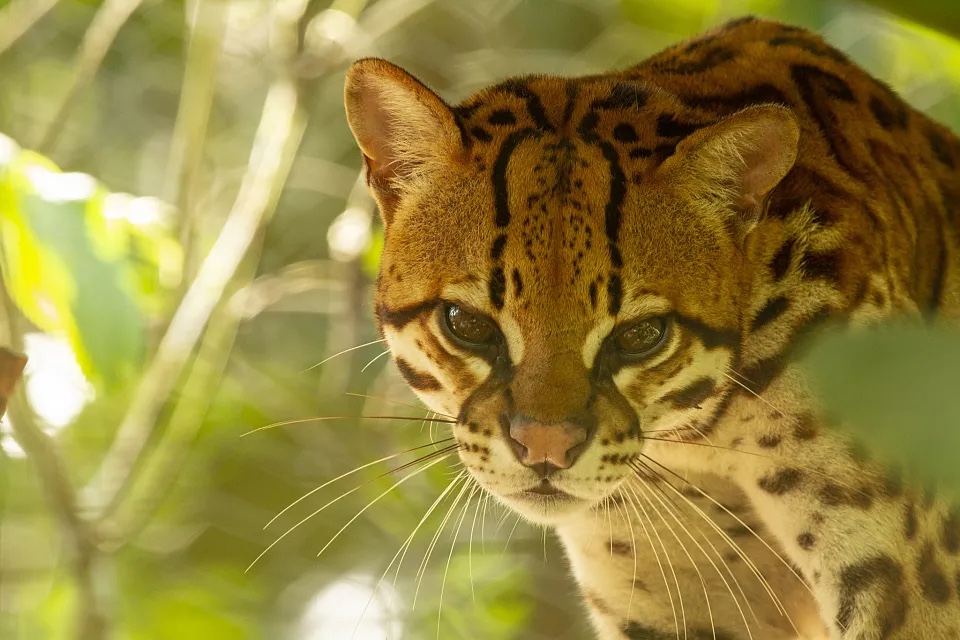
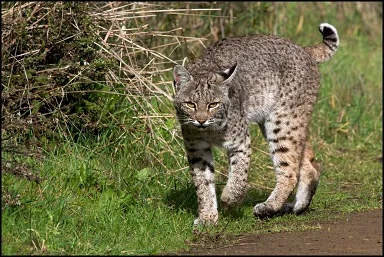
40 species. Each worth protecting.
Current Research
In the field, right now.
 Active
North America · California
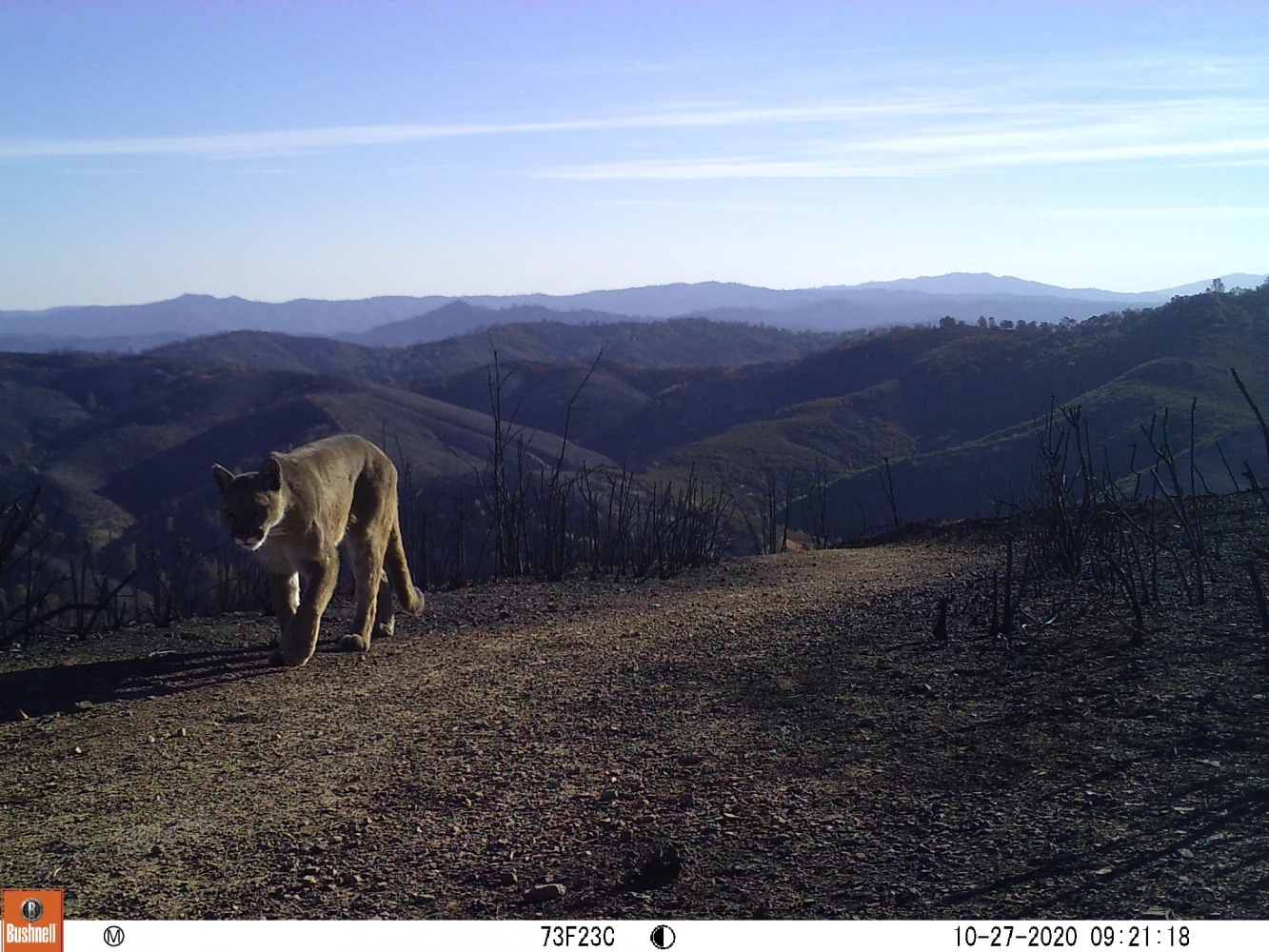
Bay Area Puma Project
Tracking puma movement, survival, and habitat use across the greater Bay Area. Building the science needed to protect corridors between the Santa Cruz Mountains and Diablo Range.
 Active
South America · Argentina & Chile
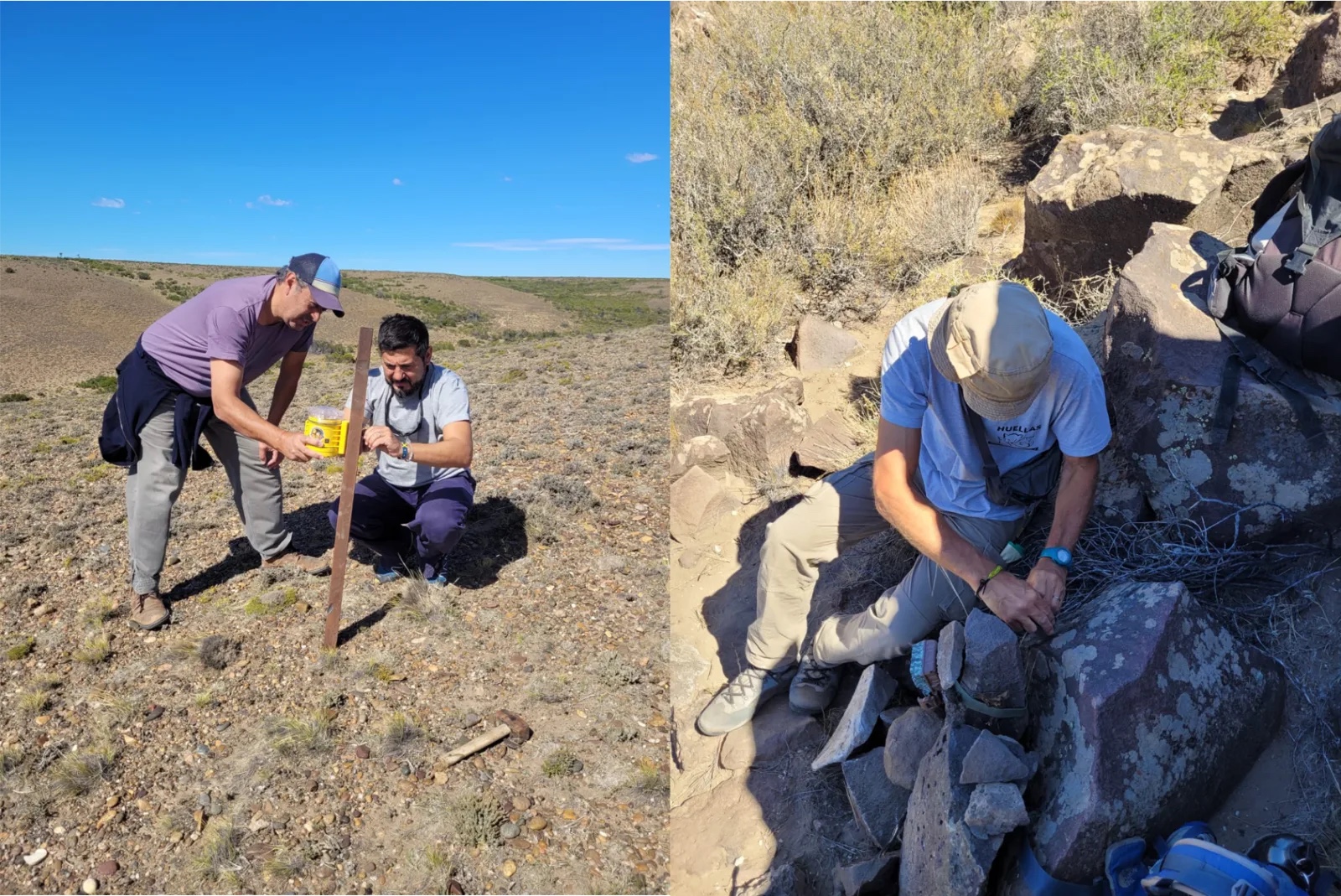
Patagonia Wild Cats Project
Studying puma movement and Andean cat behavior across Patagonia's steppe. GPS collar data is reshaping conservation boundaries for protected areas across the region.
 Active
California · Bay Area
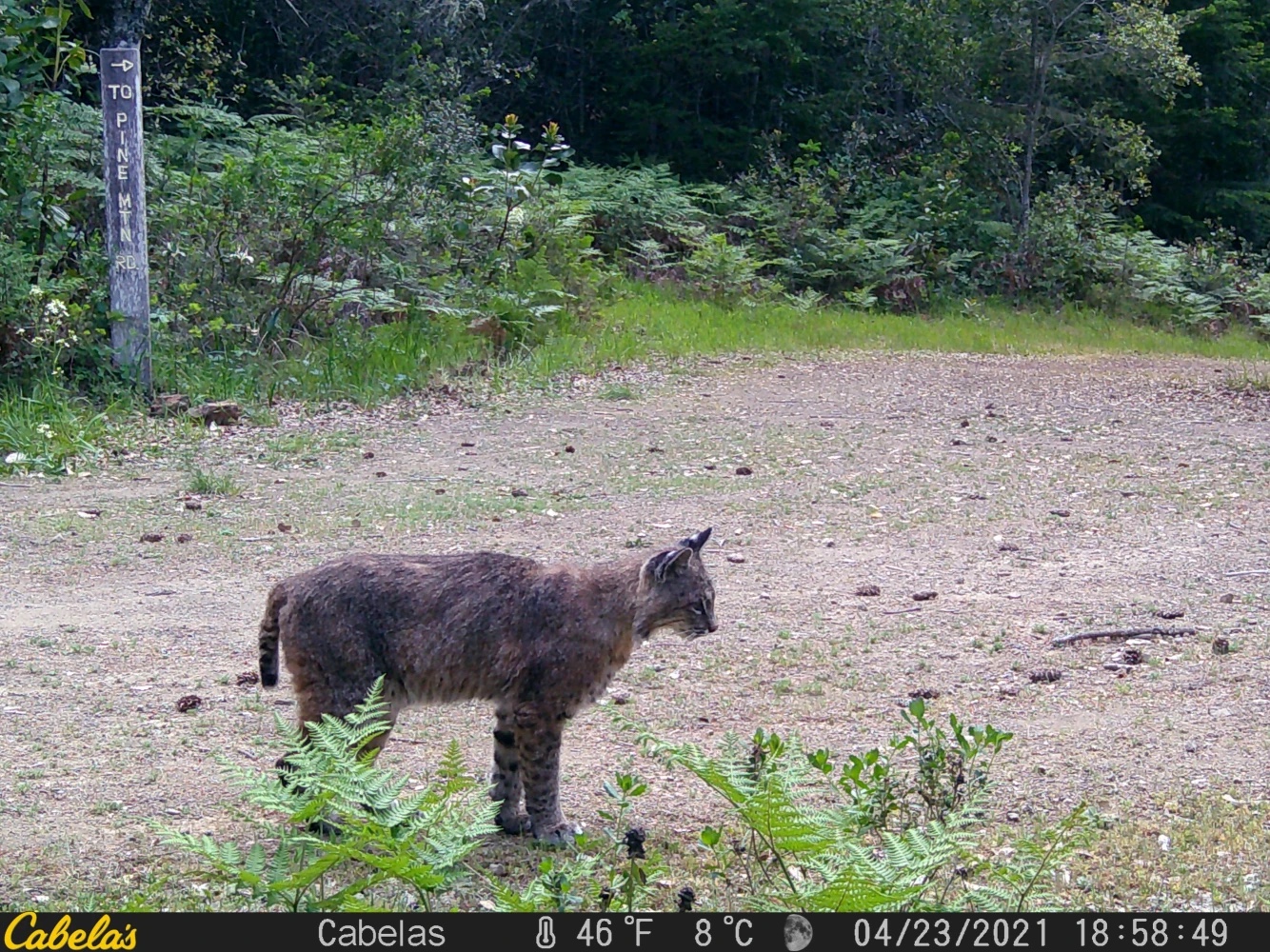
Bay Area Bobcat Project
Tracking bobcat survival, reproduction, and movement through the fragmented wildland-urban interface. Building the case for wildlife corridor protections across the East Bay hills.
News
Stories, updates & spotlights.
News
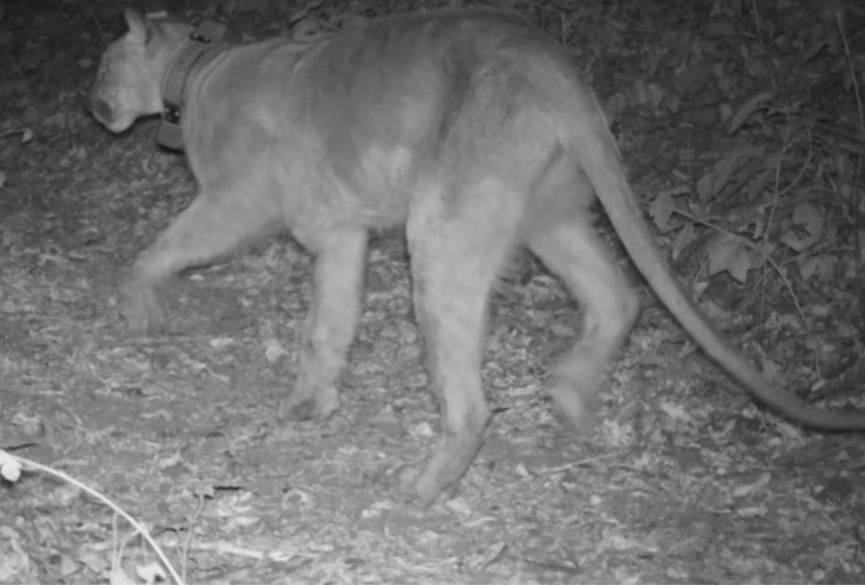
The Hidden Toll of Rodenticides Poisoning Pumas and Bobcats
If there is one fundamental truth about chemical poisons, it is that they never stay where we put them.
News
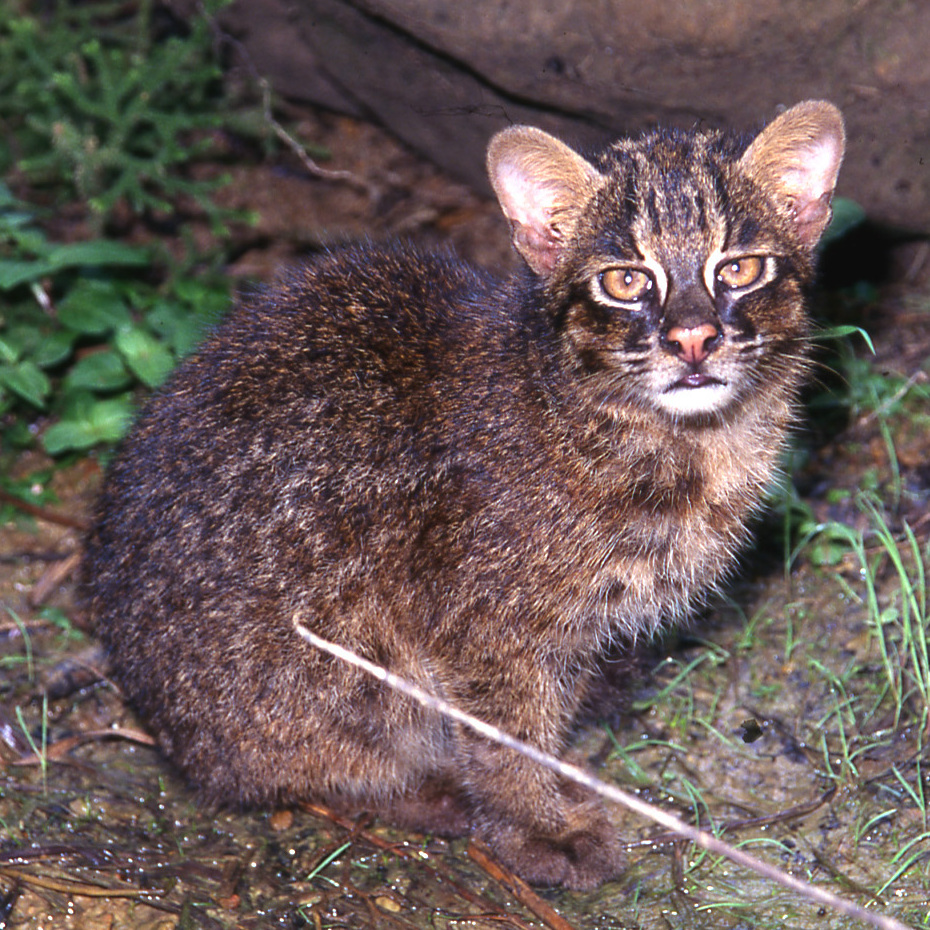
The Wild Cats of Japan: A Fight for Survival
Japan’s only two native wild cats, the Tsushima leopard cat and the Iriomote cat, are on the brink of extinction.
News
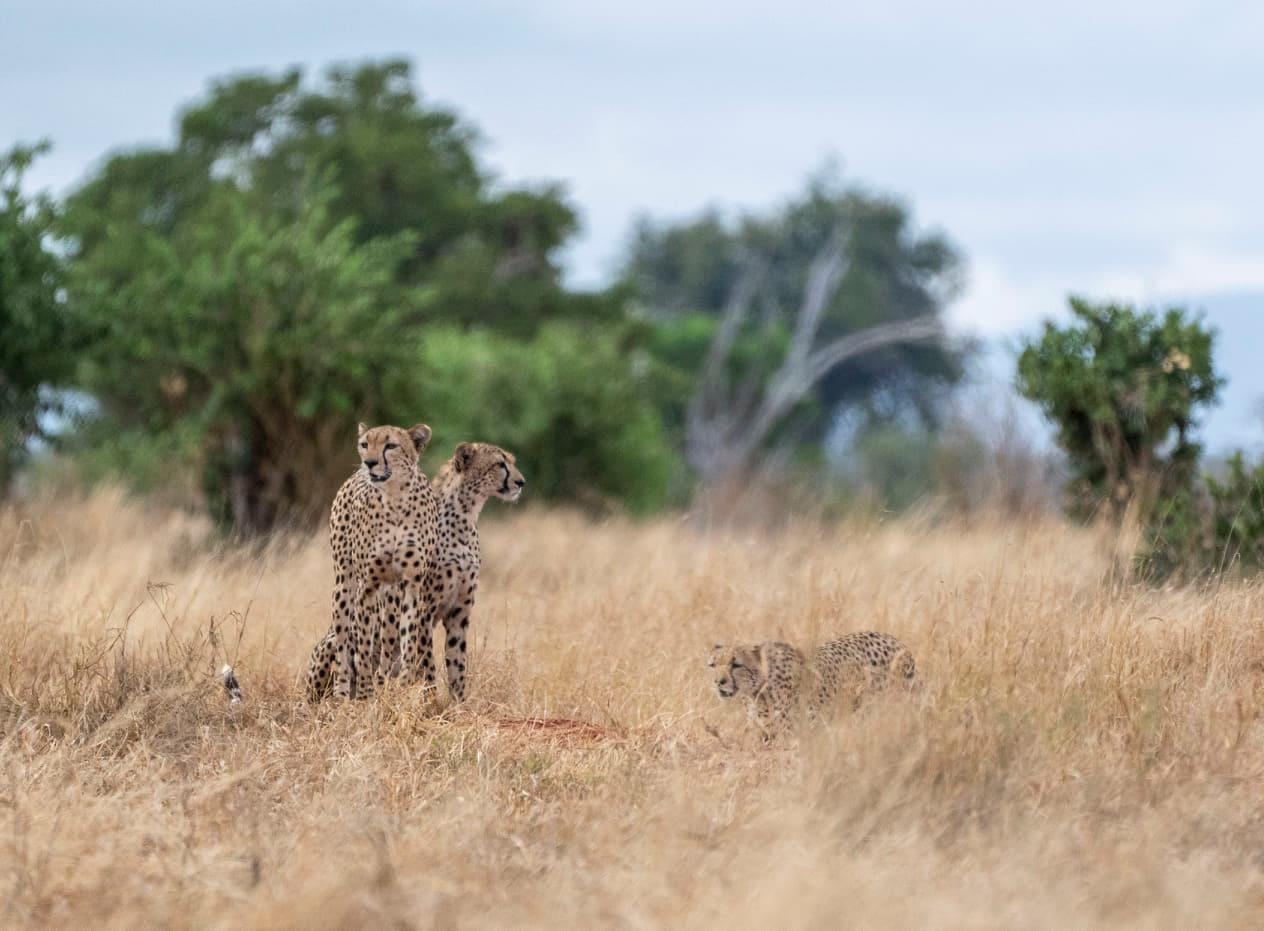
A Genetic Mishap: Decoding the Cheetah’s DNA
The cheetah (Acinonyx jubatus) is the undisputed speed champion of the land, but behind that incredible athleticism lies a complicated genetic history.
Get Involved
Your time creates lasting change.
Whether you're a scientist, a hiker, or a wildlife photographer, there's a role for you in wild cat conservation.
Get StartedSupport our Work
Make a difference today.
Every dollar funds real science: camera traps, GPS collars, field teams, and community programs that protect wild cats.