
Become A Citizen Scientist
Have you ever wondered what wildlife is in your backyard or on your property? You and your family can monitor wildlife with remote trail cameras and directly participate in citizen science by providing us with the data to aid in wildlife research efforts!

What is a remote camera?
It is a camera that records images when triggered by motion, either as a still photograph or a video - It is a rugged and weatherproof device designed for extended and unmanned use outdoors. For scientists, it is a camera placed by a researcher or photographer to conduct non-invasive research and collect data that shows an animal’s behavior when humans are not present.
These cameras most often contain a light or heat motion sensor to trigger the camera to take a picture or video when something moves in front of the sensor on the camera. Remote cameras obtain footage that would likely not be possible with human presence.
Picking a Camera
Pricing and Options
Remote cameras range from $70 to $700 per unit. Additional accessories include: SD memory card ($10-$50 each), ultimate lithium or NiMH rechargeable batteries, security enclosure (metal box to prevent theft), and a padlock and security cable. Depending on your security needs, you may not need all of these.
We Recommend the Following Brands:
- Bushnell
- Reconyx
- Moultrie
- Browning

Note on choosing your camera:
As with anything, you get what you pay for. The most important specifications to focus on are the following:
- Photo quality
- trigger speed
- battery life
We highly recommend either the Bushnell Trophy Cam models or the Reconyx models.
From the recommended models, below is a list of pros and cons for each camera:
Reconyx Models - Very fast trigger speed (0.2 seconds), great photo quality, very good battery life (up to 1 year on a set of lithium batteries), no video capability on most models (but utilizes Rapidfire technology)
Bushnell Trophy Cam Models - Fast trigger speed, good photo quality, good battery life
We are more than happy to work with you to help you purchase the camera and accessories you need from the best possible sources. Just let us know how we can be of assistance.
How to Set Up Your Camera
You can contact us directly and BAPP staff will help you set-up your camera.
When your camera station is set-up, you can contact us. We will give you the instructions and provide you with the data sheets to record your data as a citizen scientist for wildlife research.
The Cat in the Bottleneck
A young male puma must cross freeways and developed areas to reach the Diablo Range, or his population edges toward local extinction.
Photo by Sharon Osberg
Decades of work. Measurable results.
Protecting local wildlife and the spaces they call home
Innovative Wild Cat Research and Conservation
Field Research
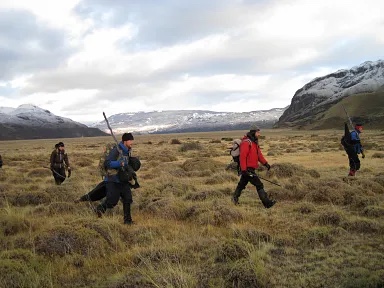
Camera traps, fecal surveys, hair surveys, bioacoustics, and health biomarkers across two continents give us the data to act precisely where it matters most.
Explore our projects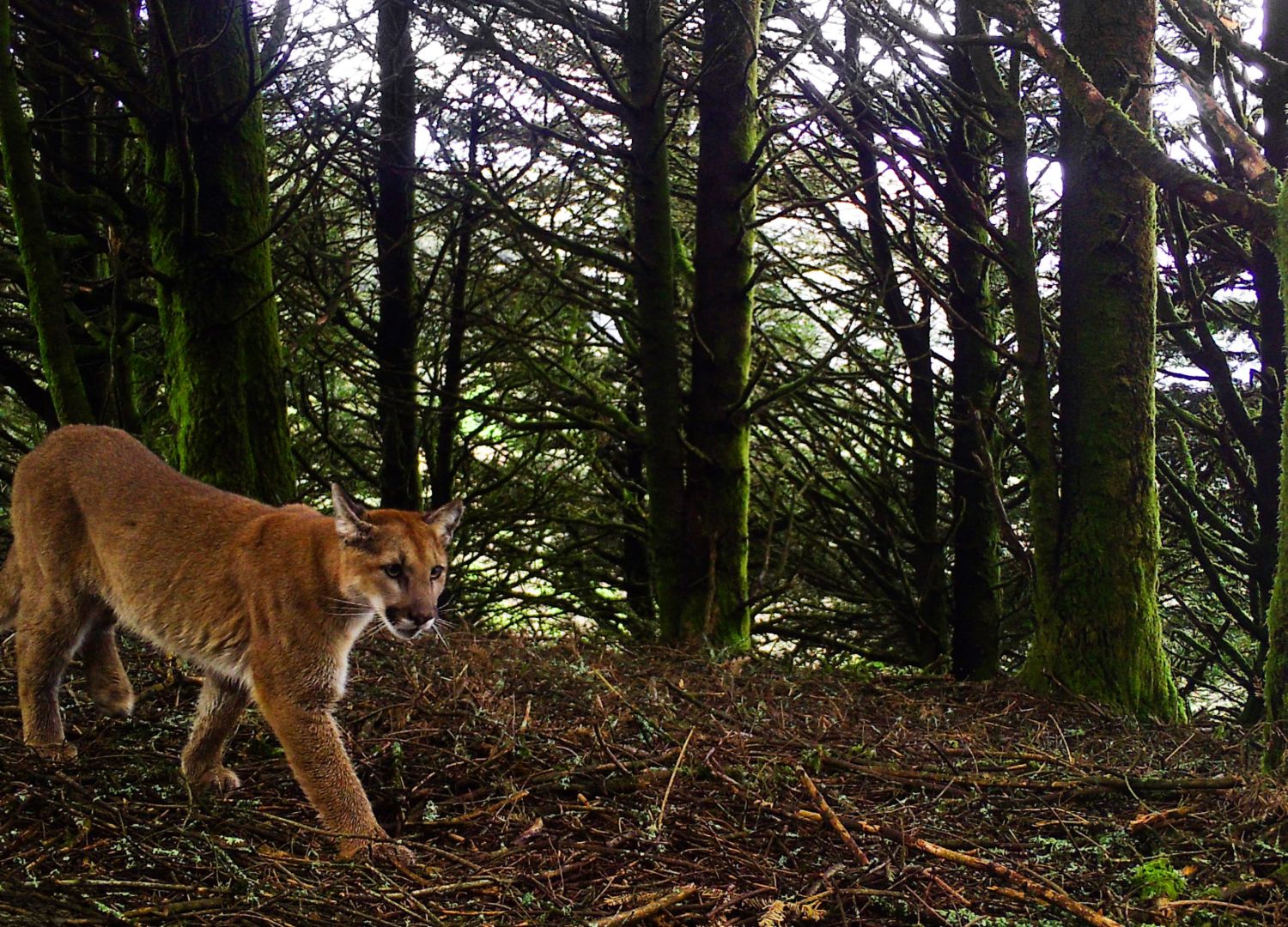
Habitat Protection
Working with landowners, policymakers, government agencies, and indigenous communities to identify and maintain corridors where wild cats can move through safely.
Learn about ecosystems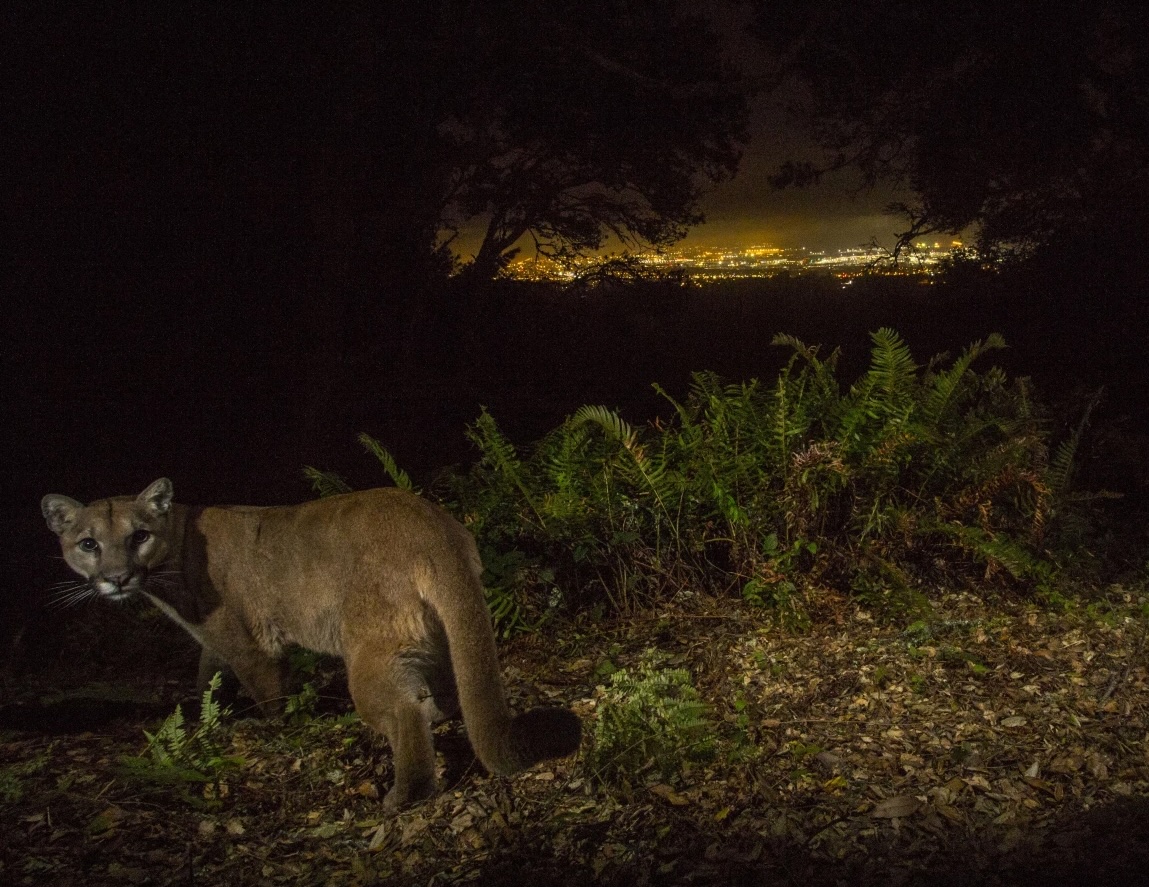
Education & Coexistence
Equipping communities with tools to live alongside wild cats. Reducing conflict, building the understanding that fuels long-term protection.
Coexistence resources40 species. Each worth protecting.
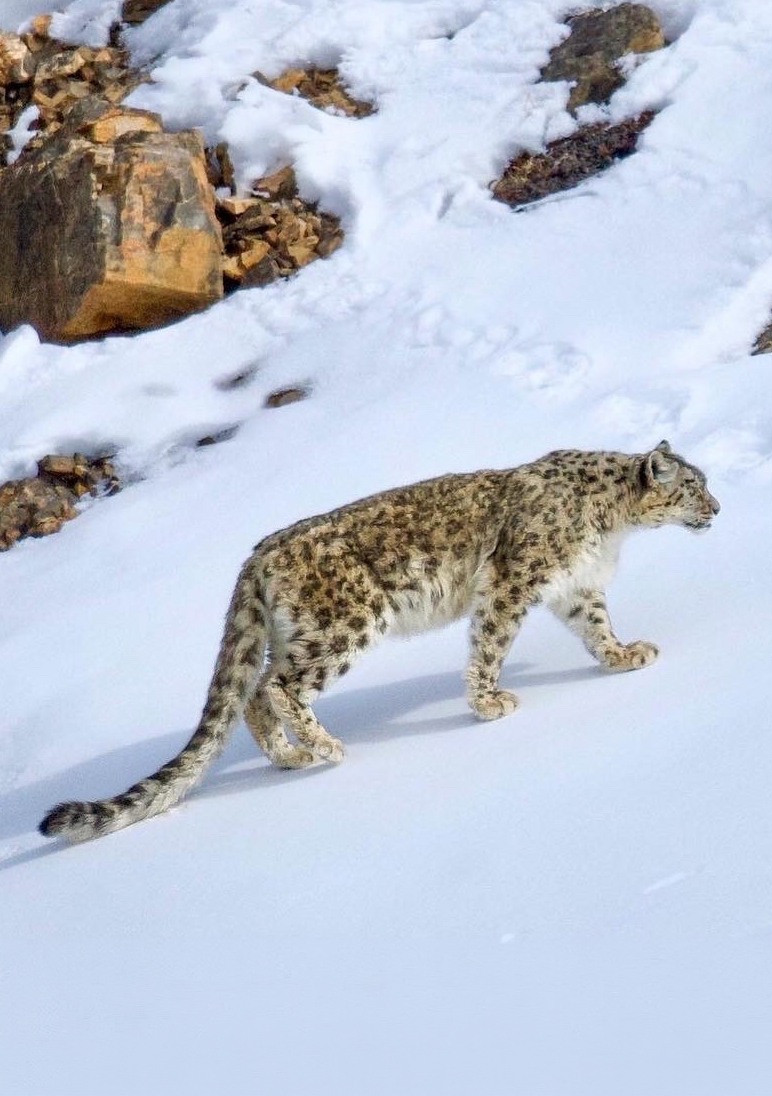
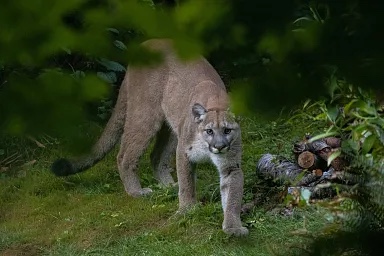
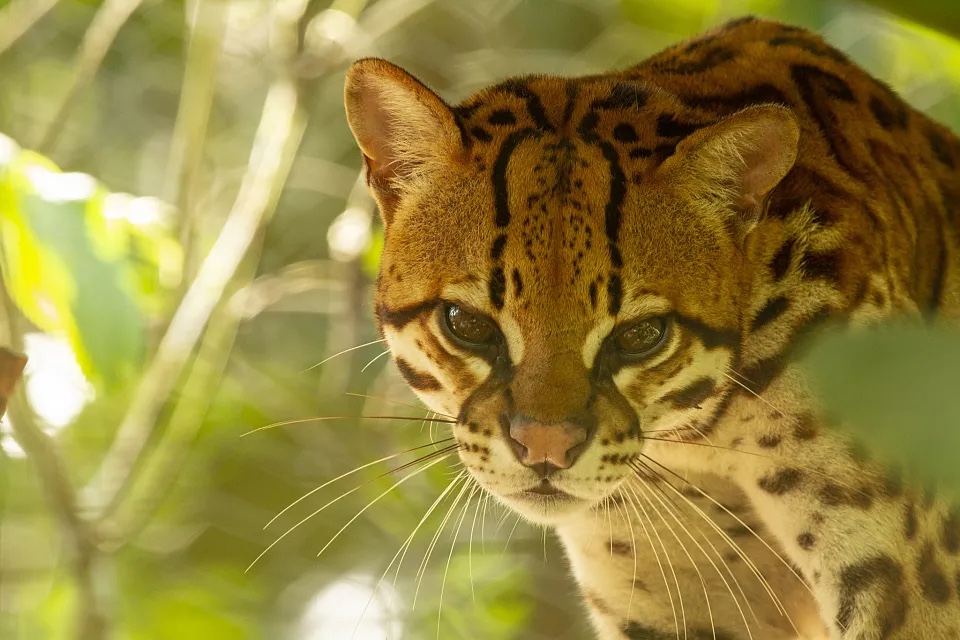
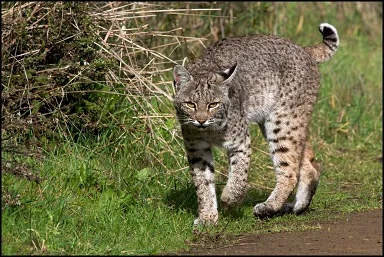
In the field, right now.
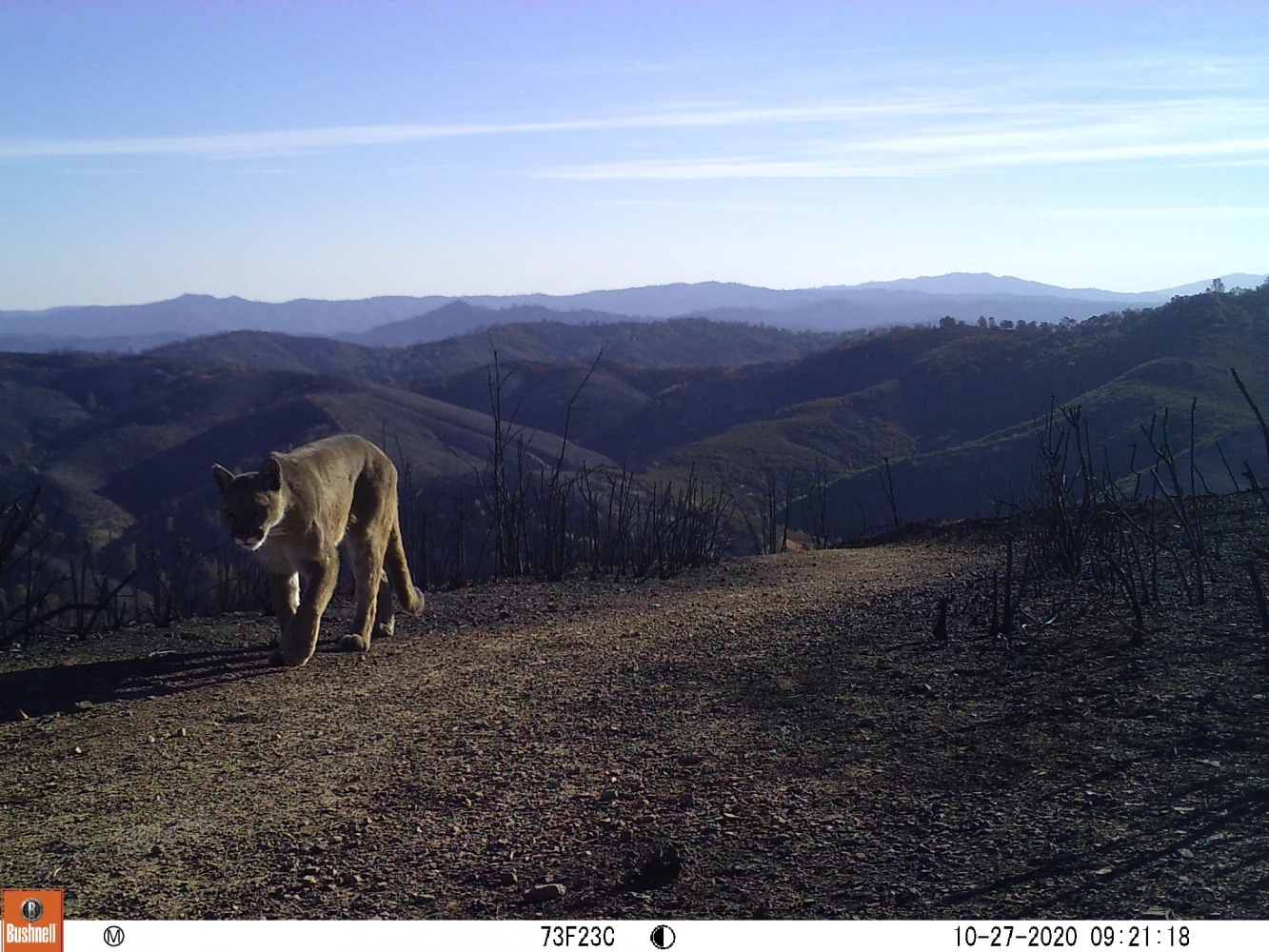 Active
Bay Area Puma Project
Tracking puma movement, survival, and habitat use across the greater Bay Area. Building the science needed to protect corridors between the Santa Cruz Mountains and Diablo Range.
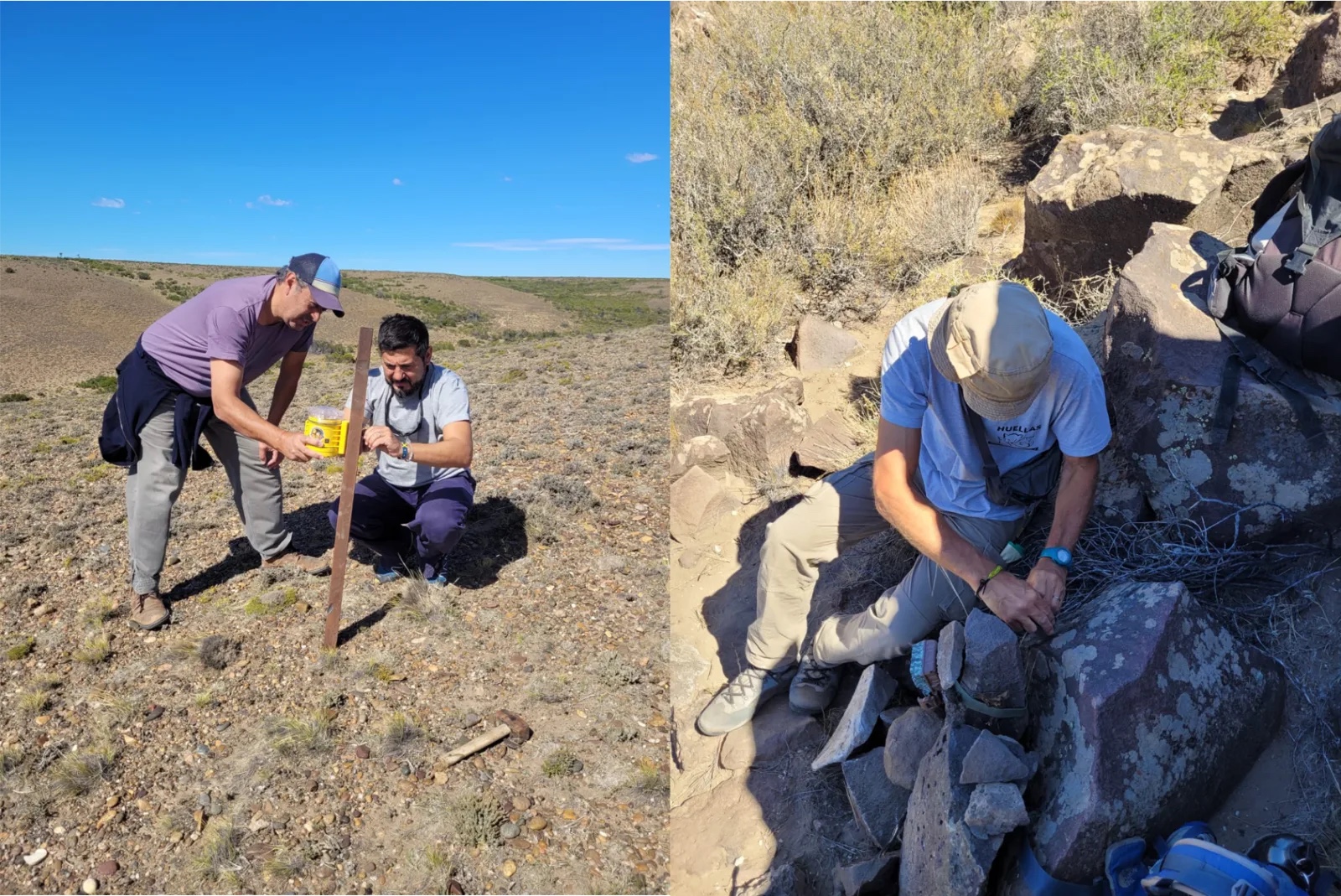 Active
Patagonia Wild Cats Project
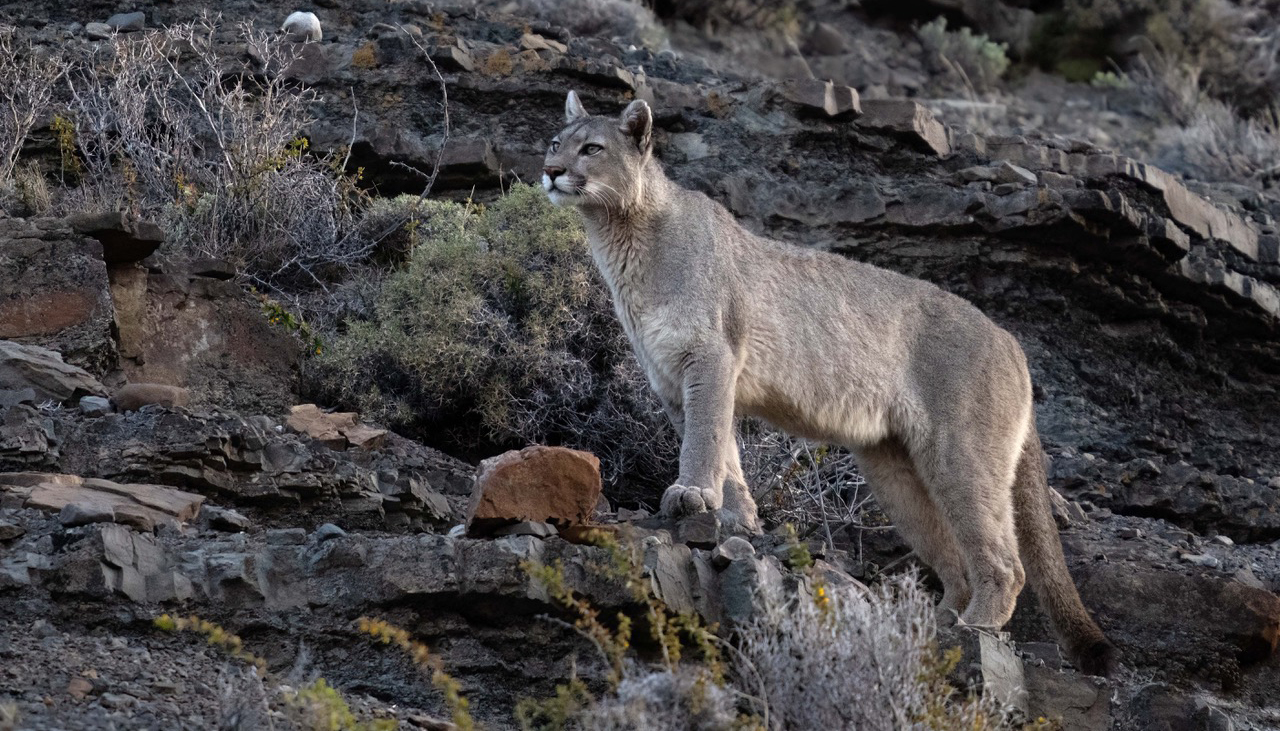
Studying puma movement and Andean cat behavior across Patagonia's steppe. GPS collar data is reshaping conservation boundaries for protected areas across the region.
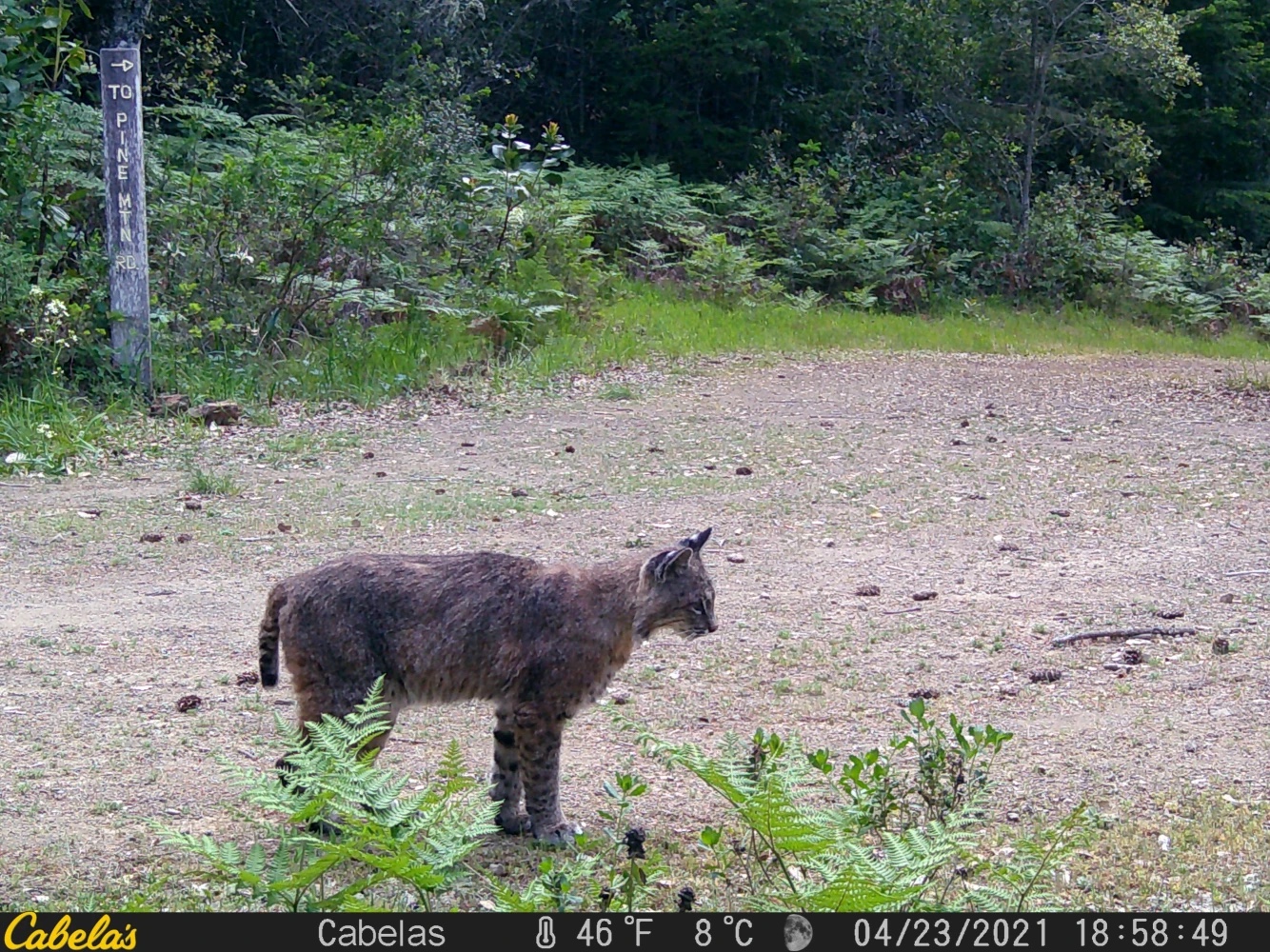 Active
Bay Area Bobcat Project
Tracking bobcat survival, reproduction, and movement through the fragmented wildland-urban interface. Building the case for wildlife corridor protections across the East Bay hills.
Stories, updates & spotlights.
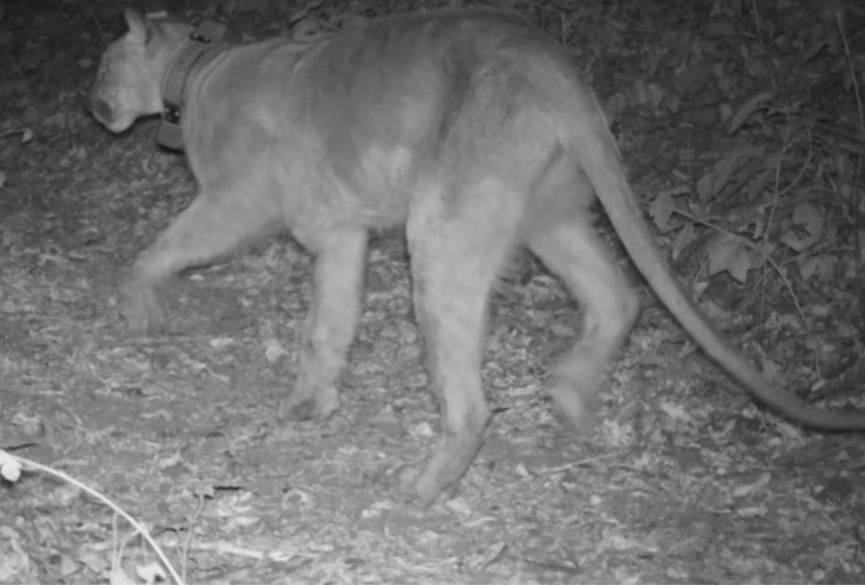
The Hidden Toll of Rodenticides Poisoning Pumas and Bobcats
If there is one fundamental truth about chemical poisons, it is that they never stay where we put them.
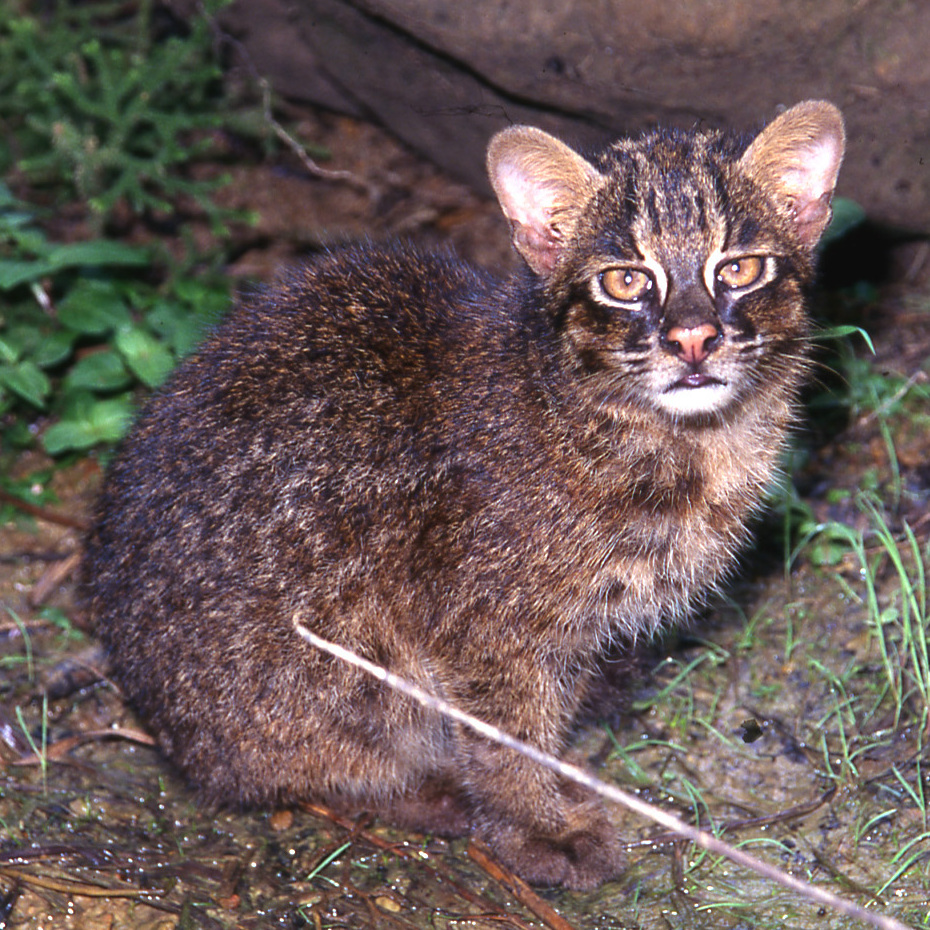
The Wild Cats of Japan: A Fight for Survival
Japan’s only two native wild cats, the Tsushima leopard cat and the Iriomote cat, are on the brink of extinction.
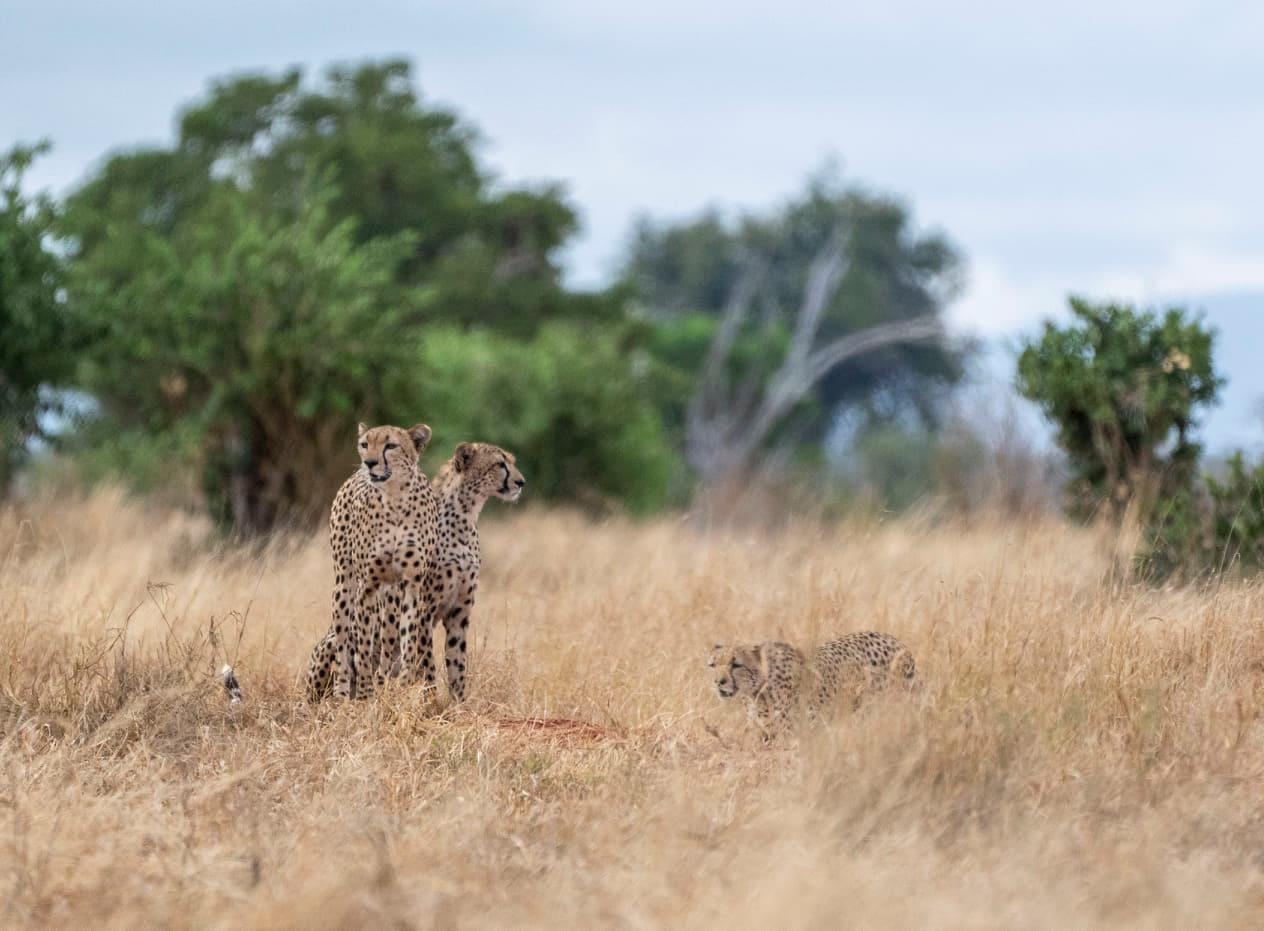
A Genetic Mishap: Decoding the Cheetah’s DNA
The cheetah (Acinonyx jubatus) is the undisputed speed champion of the land, but behind that incredible athleticism lies a complicated genetic history.
Your time creates lasting change.
Whether you're a scientist, a hiker, or a wildlife photographer, there's a role for you in wild cat conservation.
Get StartedMake a difference today.
Every dollar funds real science: camera traps, GPS collars, field teams, and community programs that protect wild cats.