K-12 Programs

Zara McDonald Presenting to the Northern Light School in Oakland. Part of the CAT Aware program.
The core of BAPP's efforts to inform our communities about pumas and local ecosystems is a set of environmental education programs for middle schools and high schools throughout the Bay Area. Called 'CAT Aware', these innovative programs teach students about:
- the balance and healthy functioning of natural habitats
- the central role of pumas in the local ecology
- the effects of human expansion on these ecosystems
- the larger environmental issues that these trends raise
The program focuses on the charismatic puma as keystone species, in order to convey both the richness of the natural world and the growing damage being done to it by human activities, and to make a powerful impression about the need to preserve habitats and foster healthy co-existence between humans and wildlife.
The CAT Aware Education Program includes:
Science Lab: A hands-on science lab focusing on predator-prey interactions and the effects of human encroachment on the natural balance; there will also be a separate online version of this lab that runs as a predator-prey population simulator.
Field Trip: An optional field trip to puma habitat to experience real wildlife science with biologists studying wild pumas, including seeing signs of pumas in the forest (tracks, scratches, scat) and tracking actual pumas in the study with radio telemetry.
Interactive Website: A project website for the Bay Area Puma Project that provides interactive tracking maps, community discussion forums, researcher blogs, photos and videos of study cats, etc.
Immersive 3D Game: An online and mobile game called Puma Wild that allows the player to become a puma and experience first hand how human development makes it more difficult to survive.
Remote Cameras: Schools have the opportunity to engage students directly in citizen science by having them help with maintaining a remote camera station in a natural area close to their school.
To learn more about bringing CAT Aware to your school please get in touch.
Recent News & Updates
Eyes in the Wild: The AI Revolution in Conservation Science
Wildlife researchers today can collect ecological data at scales that were unimaginable a decade ago.
A dazed tiger, a medical mystery, and a lesson in wildlife health
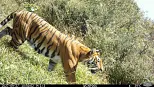
In March 2018, something unusual happened near the outskirts of Thimphu, the capital city of Bhutan. Photos emerged of a large male tiger wandering in broad daylight, unconcerned...
Bhutan’s Secret Cats: New Jungle Cat Discovery at Nearly 4,000 Meters
Most people only hear about the larger, well-known big cats like snow leopards in the high Himalayas or Bengal tigers in subtropical forests. These charismatic species often...
Recent News & Updates
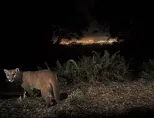
Exploring the Influence of Artificial Light Pollution on Carnivore Behavior
General
April 07, 2026A growing body of research is examining how human activity alters when animals are active.
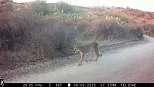
Avian Flu at the Urban Edge: Risks to Wild Cats and Human Health
General
April 06, 2026Avian flu (also known as bird flu or H5N1) is back in the headlines, and increasingly close to...
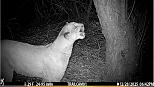
The flawed logic behind Utah’s mountain lion culling study
General
February 18, 2026When it comes to wildlife management, few topics generate more debate than predator control to support big game...