Community Outreach

The BAPP team presents frequent lectures about mountain lions and the Bay Area Puma Project throughout the Bay Area. These events are highly informative, replacing fearful myths with scientific fact. They are also evocative and inspiring, presenting the reality of these majestic creatures with compelling photos, videos, and stories from the field.
In addition, we hold community meetings on a regular basis, especially after a community is affected by a mountain lion incident, in order to enable people to express their concerns and learn about all sides of the issue.
Living With Lions
Those who are lucky enough to call the Bay Area home are also lucky enough to live with lions. Though urbanization and growing human populations can be a problem for our wildlife, we hope to teach others that coexistence with these animals is necessary for the survival of these keystone species.
For more information, download our Living with Lions brochure.

Exploring your own Wilde Backyard
Wilde Backyard is an app (currently in development) which will allow people living or recreating close to wildlife to record sightings using just their phones.
Learn more about this project on the Felidae Conservation Fund website.

Students Conducting the Predator-Prey Lab. Part of the CAT Aware program.
CAT Aware for K-12 Youth
We believe in the importance of helping to instill in young people an appreciation for the natural world and the importance of taking steps now to protect it for future generations. We run a set of educational programs to inform our communities about wild cats and local ecosystems, and the core of this work is a set of environmental education programs for middle and high schools.
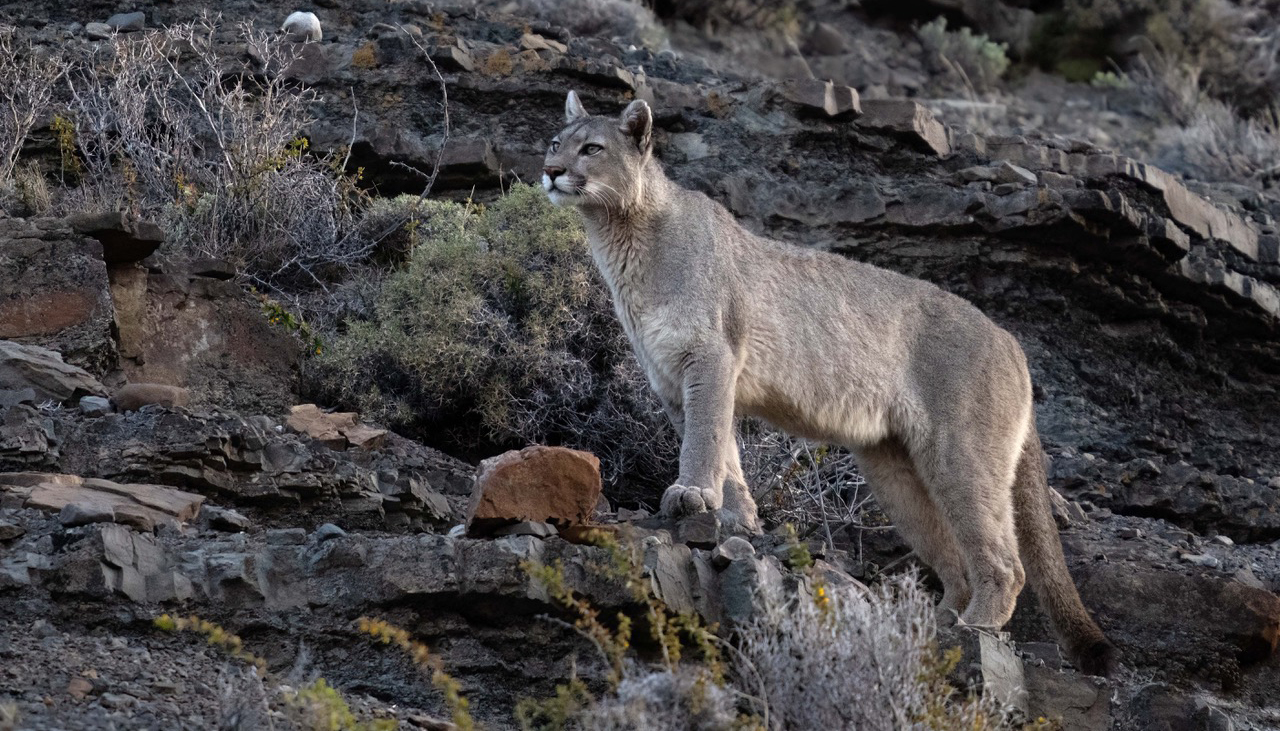
The Cat in the Bottleneck
A young male puma must cross freeways and developed areas to reach the Diablo Range, or his population edges toward local extinction.
Photo by Sharon Osberg
Decades of work. Measurable results.
Protecting local wildlife and the spaces they call home
Innovative Wild Cat Research and Conservation
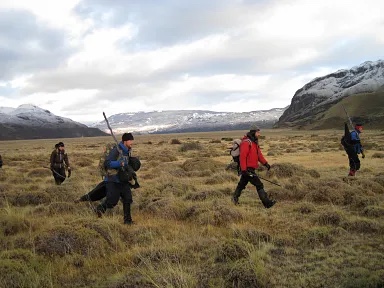
Field Research
Camera traps, fecal surveys, hair surveys, bioacoustics, and health biomarkers across two continents give us the data to act precisely where it matters most.
Explore our projects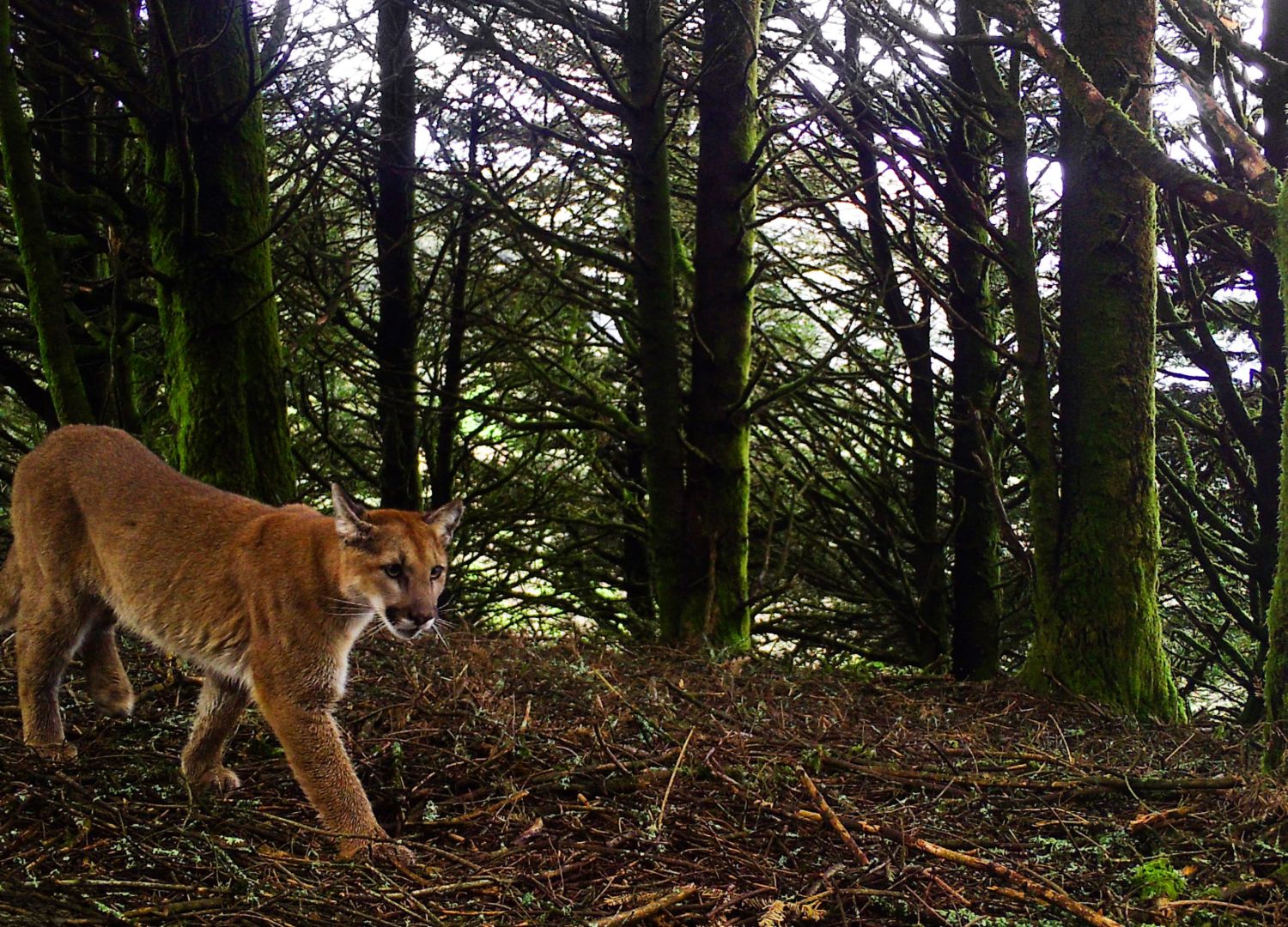
Habitat Protection
Working with landowners, policymakers, government agencies, and indigenous communities to identify and maintain corridors where wild cats can move through safely.
Learn about ecosystems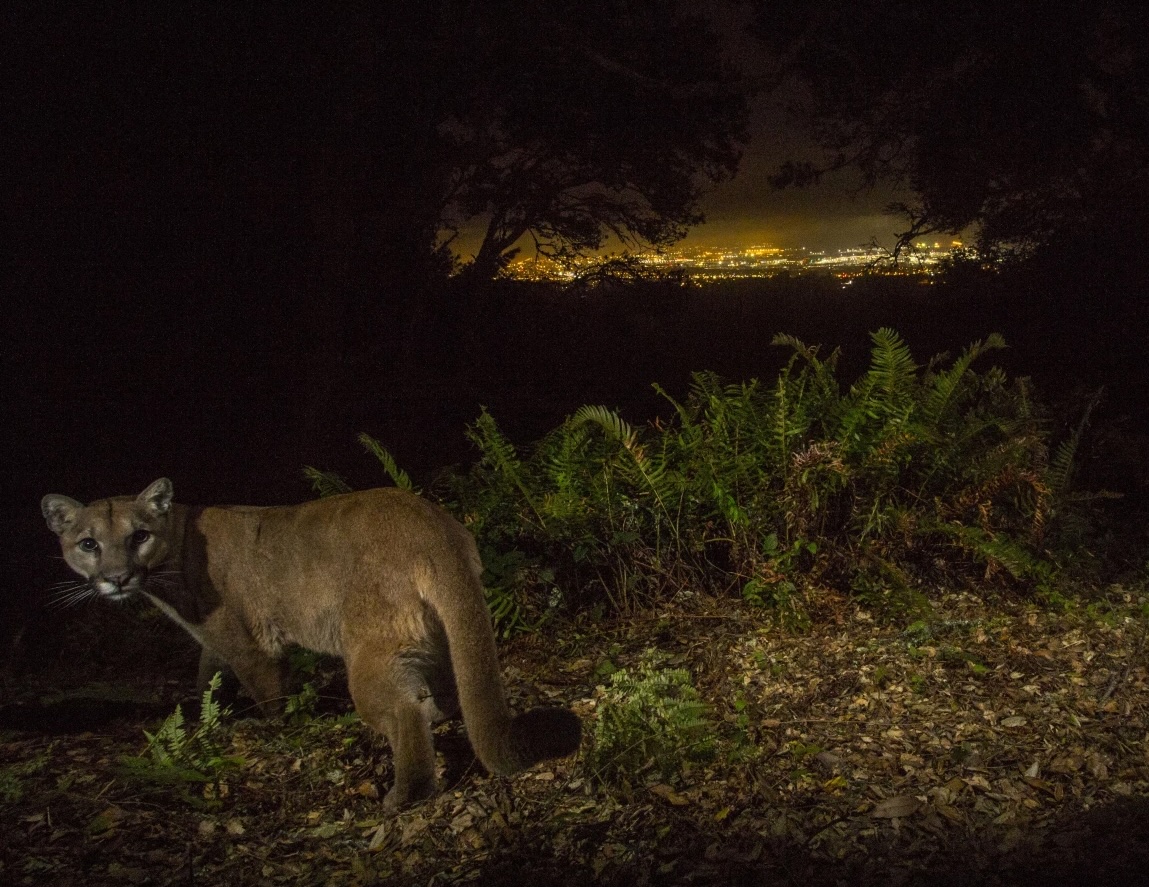
Education & Coexistence
Equipping communities with tools to live alongside wild cats. Reducing conflict, building the understanding that fuels long-term protection.
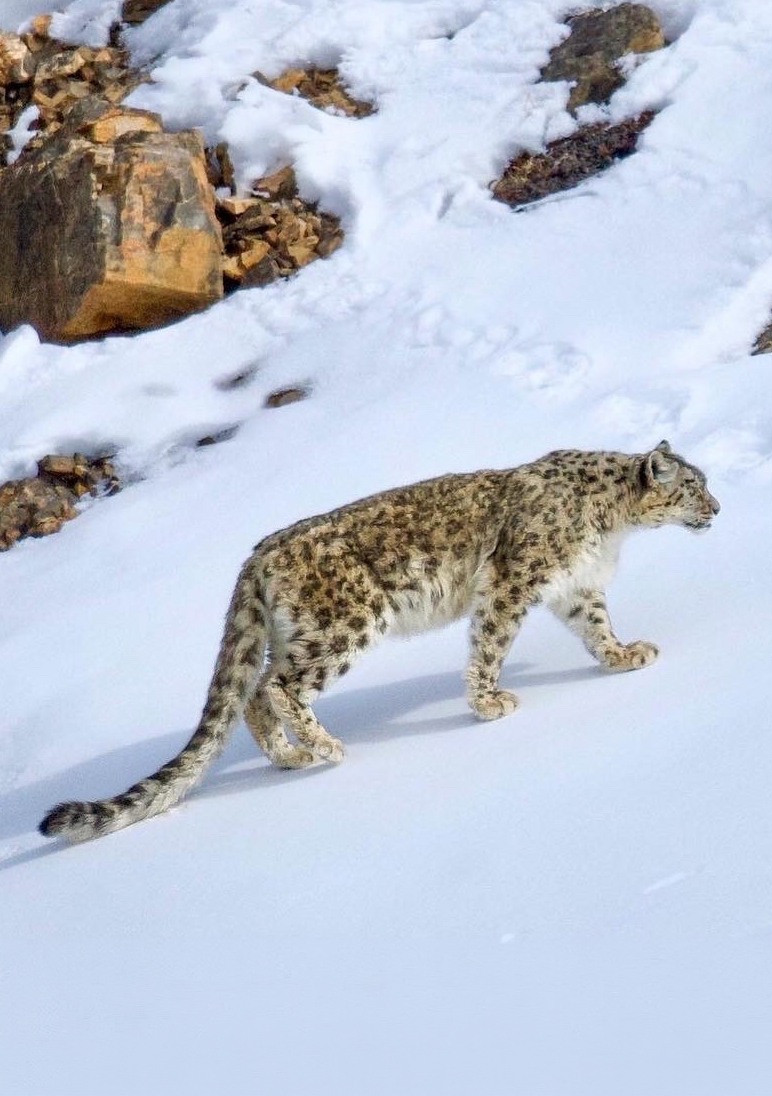
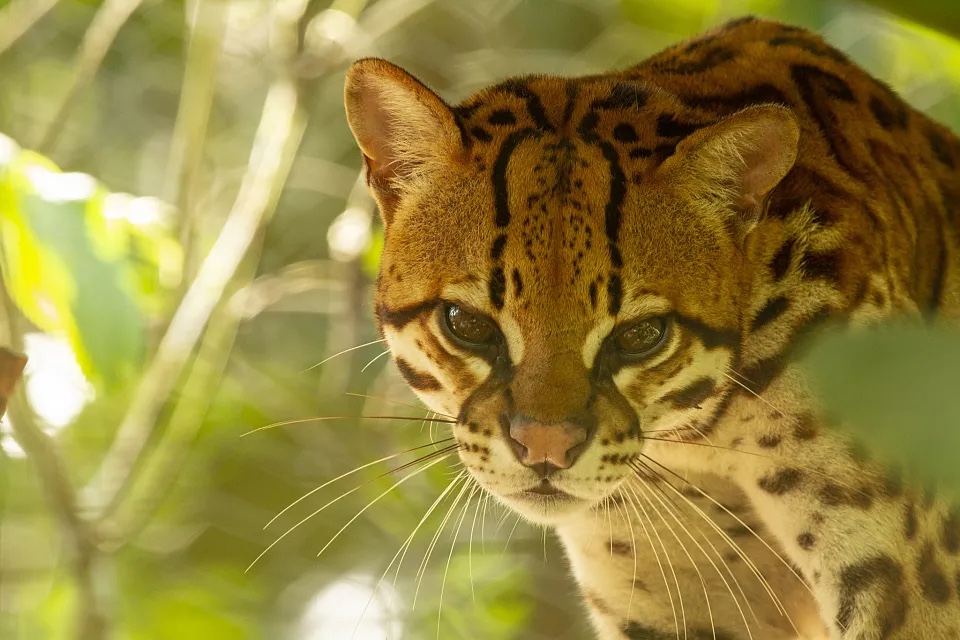
Coexistence resources40 species. Each worth protecting.
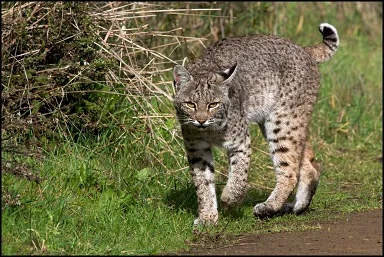
In the field, right now.
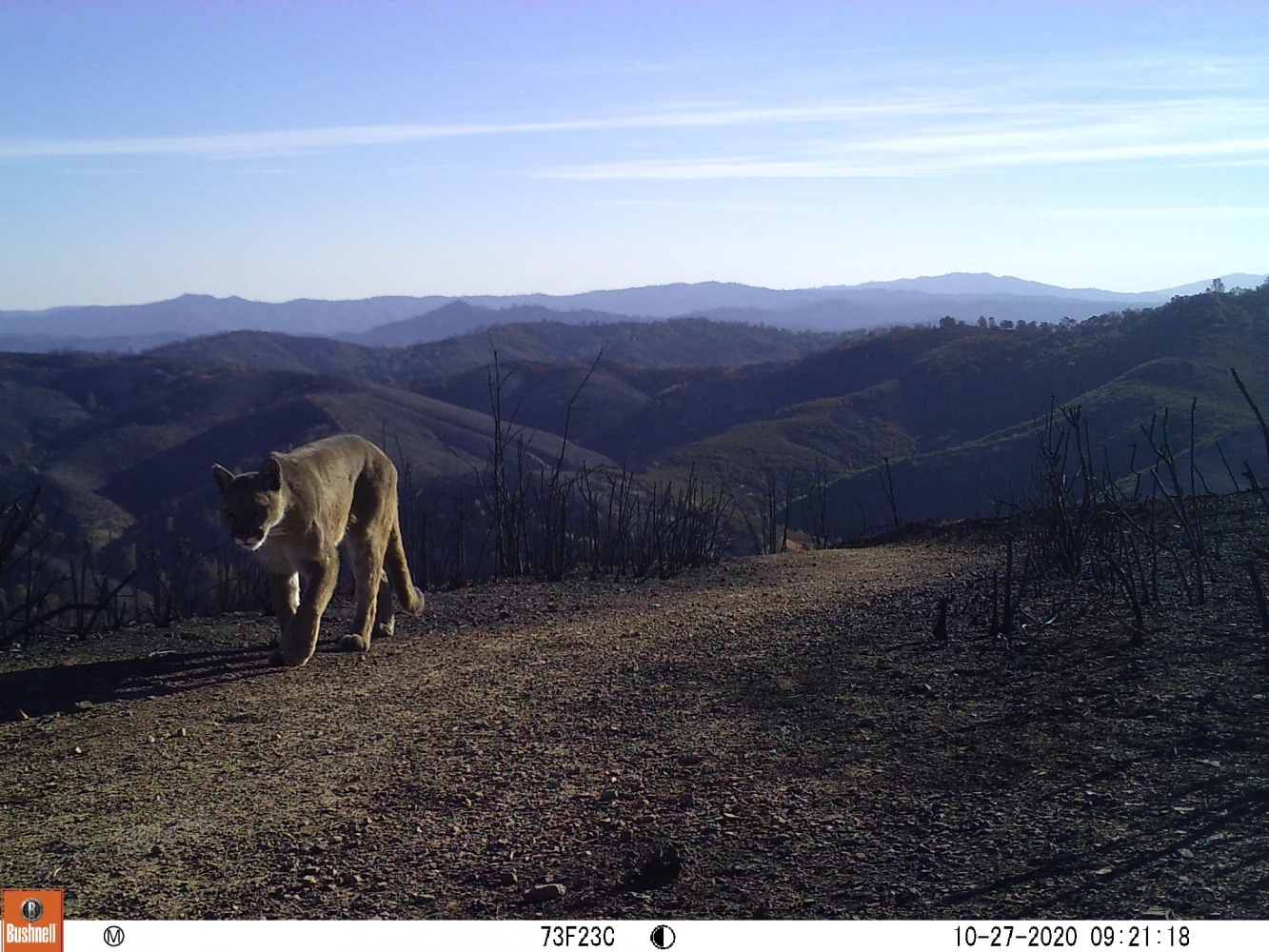 Active
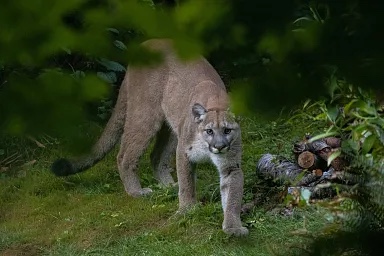
Bay Area Puma Project
Tracking puma movement, survival, and habitat use across the greater Bay Area. Building the science needed to protect corridors between the Santa Cruz Mountains and Diablo Range.
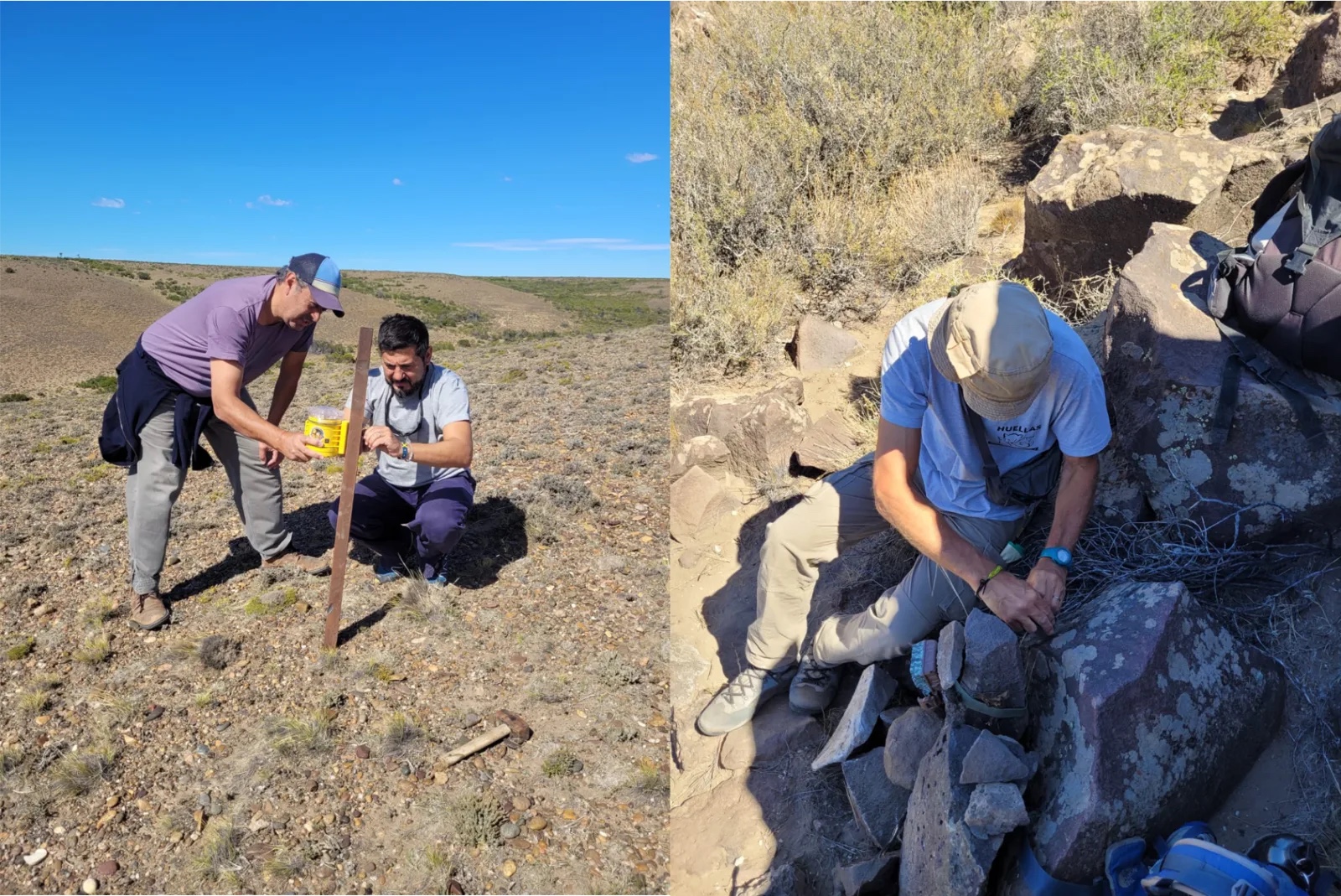 Active
Patagonia Wild Cats Project
Studying puma movement and Andean cat behavior across Patagonia's steppe. GPS collar data is reshaping conservation boundaries for protected areas across the region.
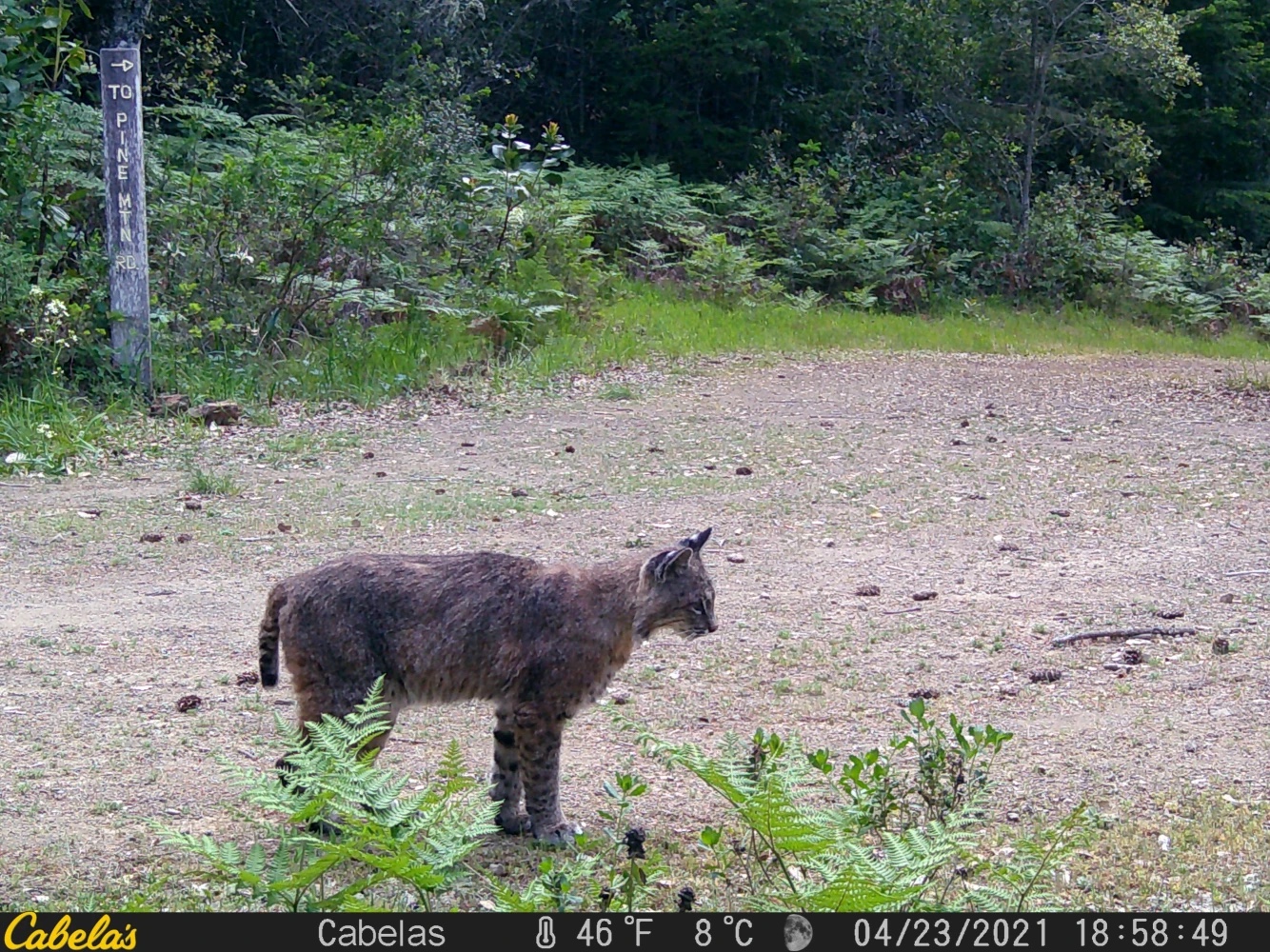 Active
Bay Area Bobcat Project
Tracking bobcat survival, reproduction, and movement through the fragmented wildland-urban interface. Building the case for wildlife corridor protections across the East Bay hills.
Stories, updates & spotlights.
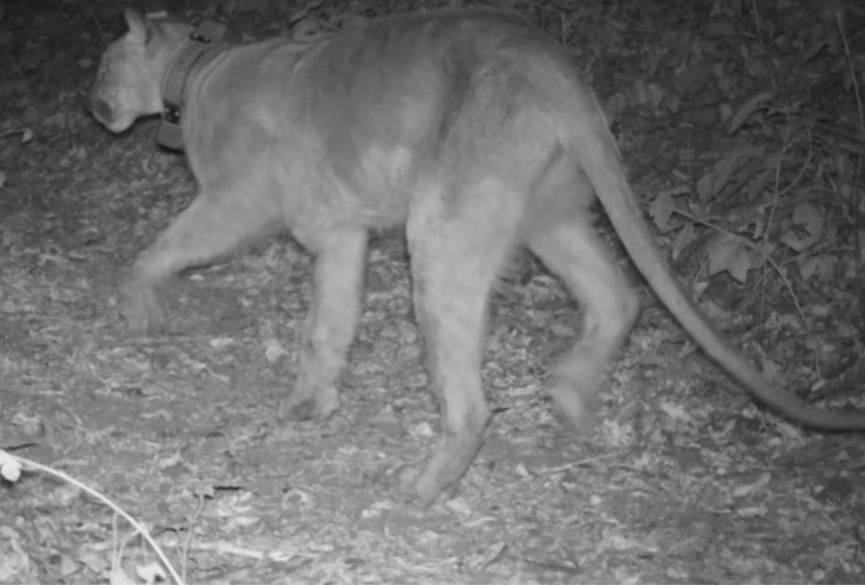
The Hidden Toll of Rodenticides Poisoning Pumas and Bobcats
If there is one fundamental truth about chemical poisons, it is that they never stay where we put them.
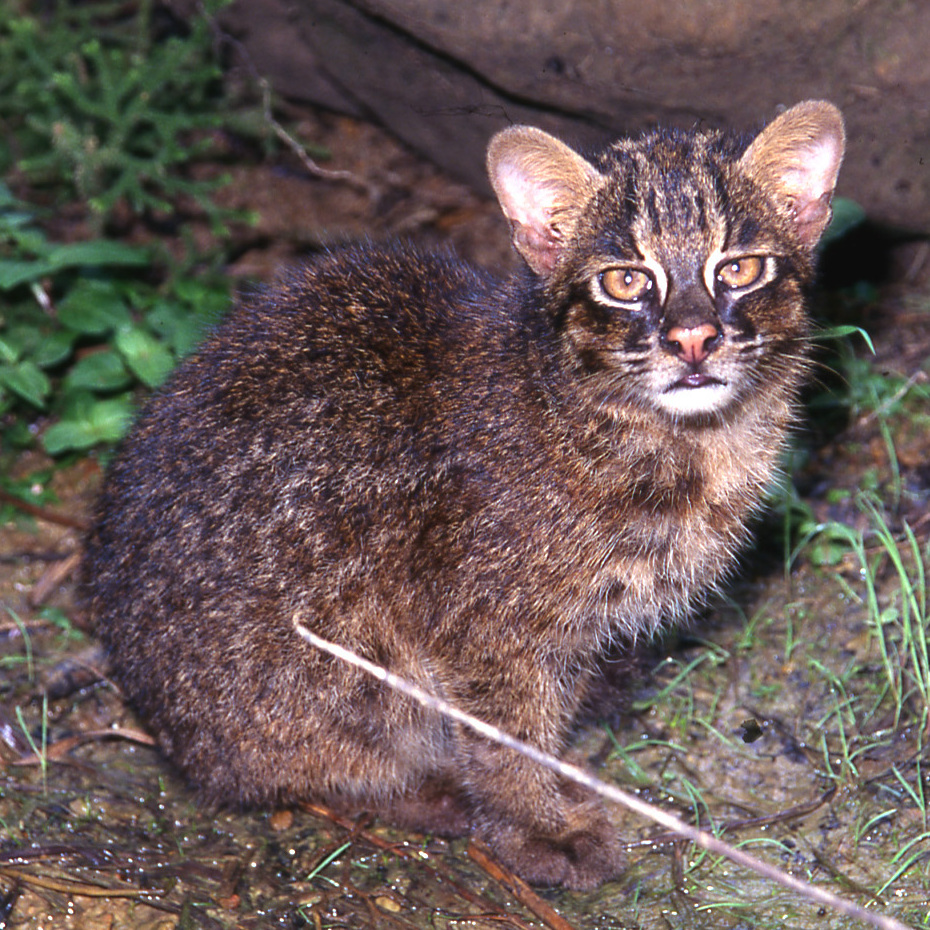
The Wild Cats of Japan: A Fight for Survival
Japan’s only two native wild cats, the Tsushima leopard cat and the Iriomote cat, are on the brink of extinction.
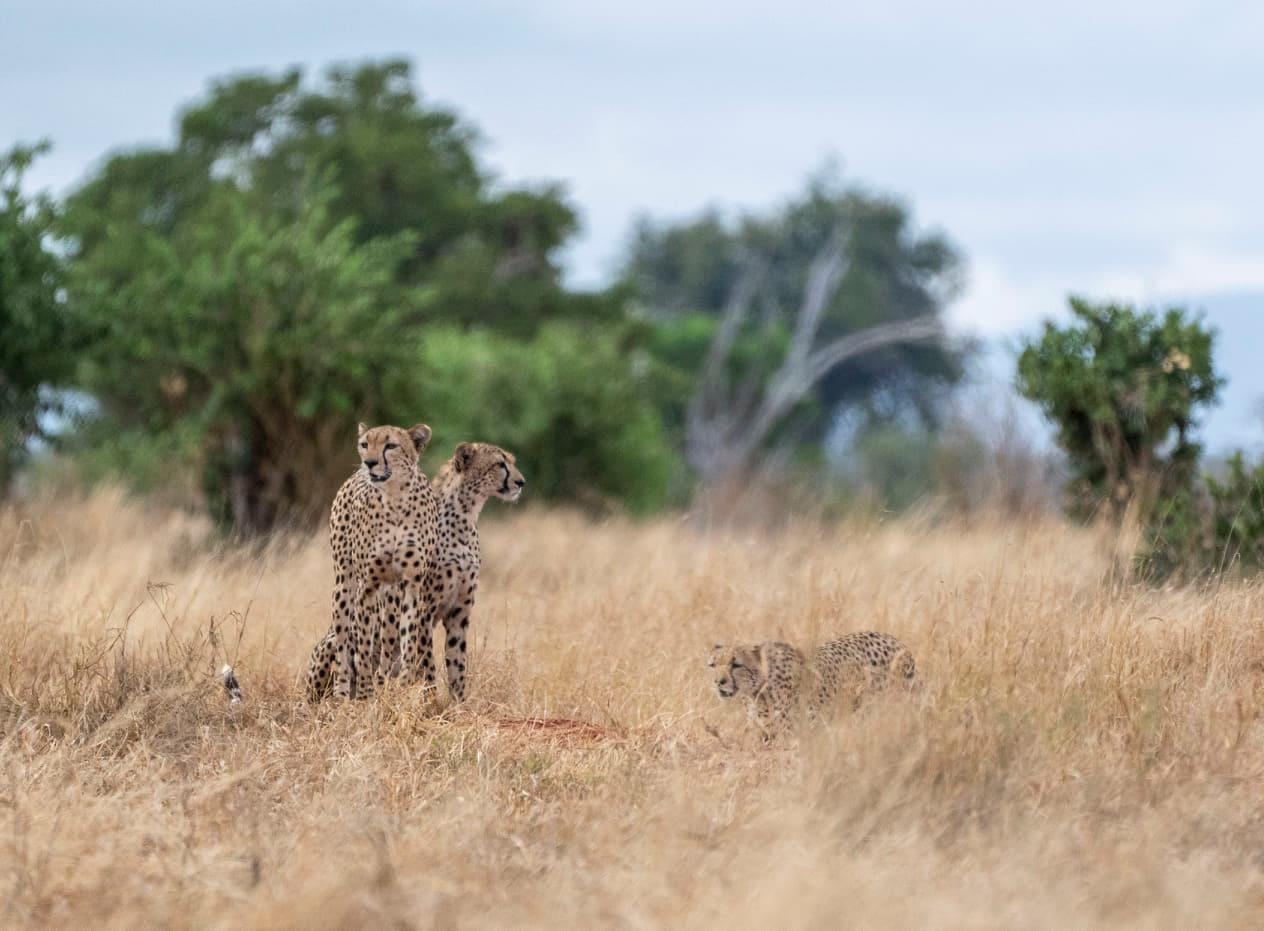
A Genetic Mishap: Decoding the Cheetah’s DNA
The cheetah (Acinonyx jubatus) is the undisputed speed champion of the land, but behind that incredible athleticism lies a complicated genetic history.
Your time creates lasting change.
Whether you're a scientist, a hiker, or a wildlife photographer, there's a role for you in wild cat conservation.
Get StartedMake a difference today.
Every dollar funds real science: camera traps, GPS collars, field teams, and community programs that protect wild cats.