
Remote Cameras
Motion-sensing cameras (also called camera traps) capture images of mountain lions in their natural setting with no humans present. These images allow us to see these cats doing what they naturally do, revealing aspects of behavior and activity which would be difficult or impossible to observe directly.
We avoid using invasive practices, such as collaring and tagging, but we have still been able to conduct ground-breaking research. For instance, in the Bay Area we’ve gathered millions of photos of local wildlife. We are actively tracking and monitoring several pumas.
By using these respectful methods, we’ve been able to gather data on their natural movements. This means we understand them without any human intervention! This kind of never-before-seen data has been revolutionary in our endeavors. We now understand better how to live peacefully alongside these incredible creatures.
Our goal is not wildlife management, but true wildlife conservation through living as holistically as possible within our local ecosystems. We cannot do this without conducting research on mountain lions with as little human interaction as possible. Our innovative methods allow just that.
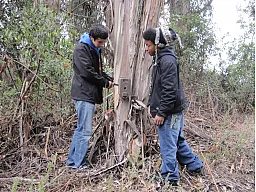
Want to help us track and conserve Bay Area wildlife?
Become a citizen scientist by installing a remote camera on your property. It's easier than it sounds, and incredibly rewarding to see just how closely we coexist with wildlife!
Recent News & Updates
Eyes in the Wild: The AI Revolution in Conservation Science
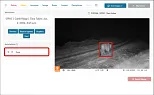
Wildlife researchers today can collect ecological data at scales that were unimaginable a decade ago.
A dazed tiger, a medical mystery, and a lesson in wildlife health
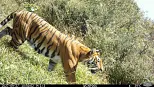
In March 2018, something unusual happened near the outskirts of Thimphu, the capital city of Bhutan. Photos emerged of a large male tiger wandering in broad daylight, unconcerned...
Bhutan’s Secret Cats: New Jungle Cat Discovery at Nearly 4,000 Meters
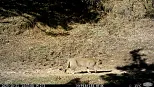
Most people only hear about the larger, well-known big cats like snow leopards in the high Himalayas or Bengal tigers in subtropical forests. These charismatic species often...
Recent News & Updates
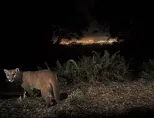
Exploring the Influence of Artificial Light Pollution on Carnivore Behavior
General
April 07, 2026A growing body of research is examining how human activity alters when animals are active.
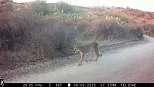
Avian Flu at the Urban Edge: Risks to Wild Cats and Human Health
General
April 06, 2026Avian flu (also known as bird flu or H5N1) is back in the headlines, and increasingly close to...
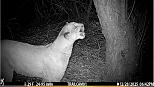
The flawed logic behind Utah’s mountain lion culling study
General
February 18, 2026When it comes to wildlife management, few topics generate more debate than predator control to support big game...