
Field Research

What Is Field Research?
Field research is done right where the animals call home. We go out into the natural world and conduct non-invasive research. BAPP uses techniques like DNA tracking through scat and hair, game cameras, and citizen science to learn more about pumas. This “on the ground” research gives a deep understanding of pumas and their interactions with bay area wildlife!
The Impact Of Research
Our puma research looks to answer certain questions, like:
- What is the size and distribution of puma populations?
- What are pumas’ home ranges and movement patterns?
- What are their prey and predators?
- What is their life cycle, including reproduction?
- How do they interact with the natural environment?
- How do they interact with humans and the manmade environment?
- How is the general health of pumas near the Bay Area?
These questions’ answers deepen our understanding of pumas. As we understand them better, we can educate others about them more and improve our relationship with them. With our communities on our side, we can learn ways to live sustainably alongside pumas. Every step we take towards improving our relationship with pumas is one step closer to preserving them.

Tracking Bay Area Pumas
We divide the Bay Area’s puma populations into three areas: the Santa Cruz Mountains, the East Bay, and the North Bay.
There are only some rural and suburban developments in Marin County, Sonoma Valley, Napa Valley, and the North Coast. Since 2016, we’ve been researching these areas using remote cameras and GPS monitoring.
The East Bay has a wide range of habitat types. This region ranges from the wide open spaces of the Ohlone Wilderness to the urban areas of Berkeley and Oakland. For us, this makes it an ideal area to study the impact of humans on puma populations. We compare key indicators across the region.
On the other hand, pumas in the Santa Cruz Mountains are at much higher risk. The massive development of Silicon Valley has forced this region into ecological isolation. This means that the area could become a ‘habitat island’ and lose genetic diversity. Unfortunately, this would effectively destroy the health and balance of the environment.

Zarita (14F) in the Santa Cruz Mountains before being fitted with an expandable GPS collar. Part of the Bay Area Puma Project.
What is a 'habitat island'?
A habitat island is when an area is home to species that cannot be supported by surrounding lands. This disrupts connectivity that is needed for genetic diversity and healthy puma populations. Habitat islands are caused by logging, agriculture, urban development, and other similar human activities.
A note about the East Bay
Felidae Conservation Fund, the East Bay Regional Park District, and others have been studying pumas and bobcats in the East Bay since 2012! The goals are to:
- Discover how the area serves as a connection point for several major habitat areas.
- Learn how local wild cats interact with the urban edge between the East Bay Hills and the cities of Oakland and Berkeley.
This area is one-of-a-kind in the way the cities interact with the natural world. That is why it is the perfect location for this ongoing study! To create as little disruption as possible, the study uses remote cameras.

Tracking Bay Area Pumas With Remote Cameras
We aim to be as non-invasive as possible. We avoid techniques such as collaring that can impact the way pumas interact with their natural environment. One of our most common techniques is using remote cameras! This allows us to observe pumas, track their progress, and see them be themselves.
Not to mention, we get some great photos we can share with the public of pumas in their natural habitat!
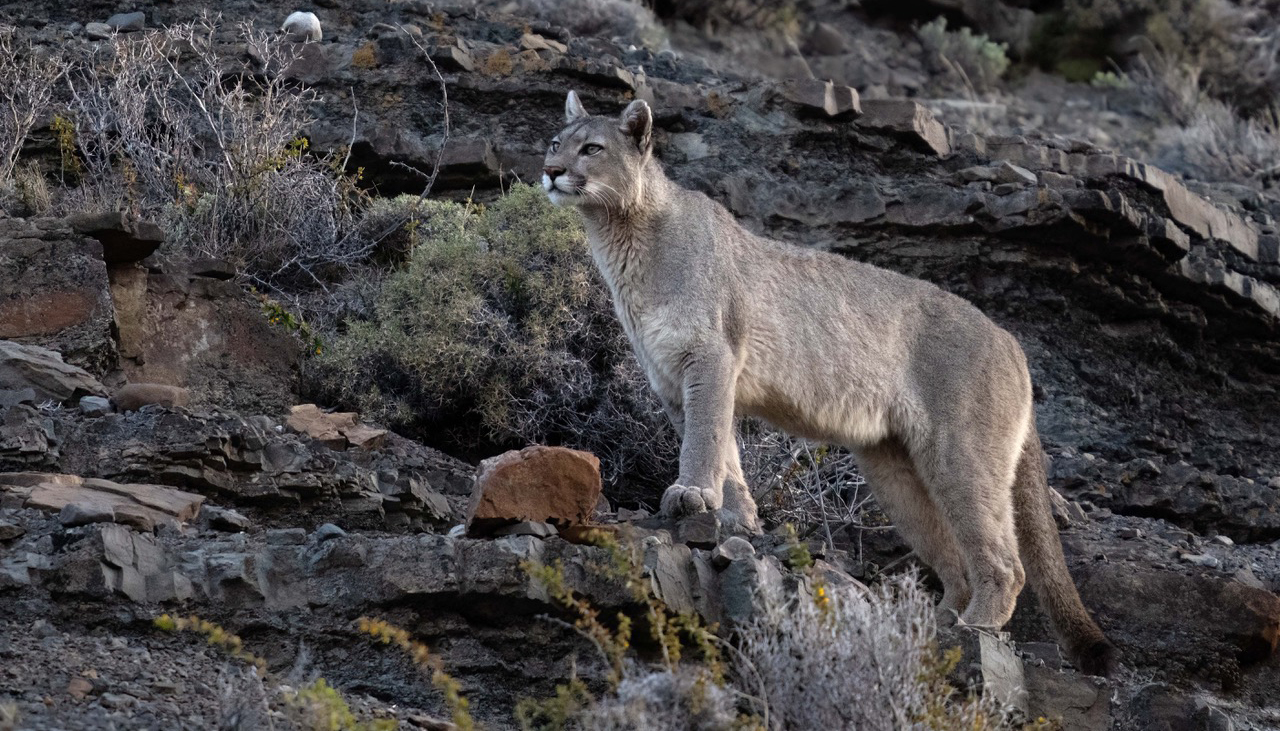
The Cat in the Bottleneck
A young male puma must cross freeways and developed areas to reach the Diablo Range, or his population edges toward local extinction.
Photo by Sharon Osberg
Decades of work. Measurable results.
Protecting local wildlife and the spaces they call home
Innovative Wild Cat Research and Conservation
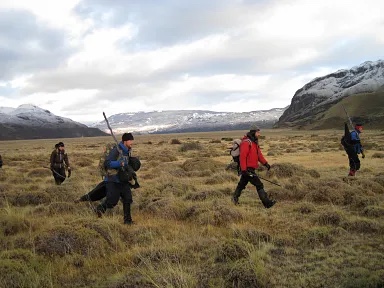
Field Research
Camera traps, fecal surveys, hair surveys, bioacoustics, and health biomarkers across two continents give us the data to act precisely where it matters most.
Explore our projects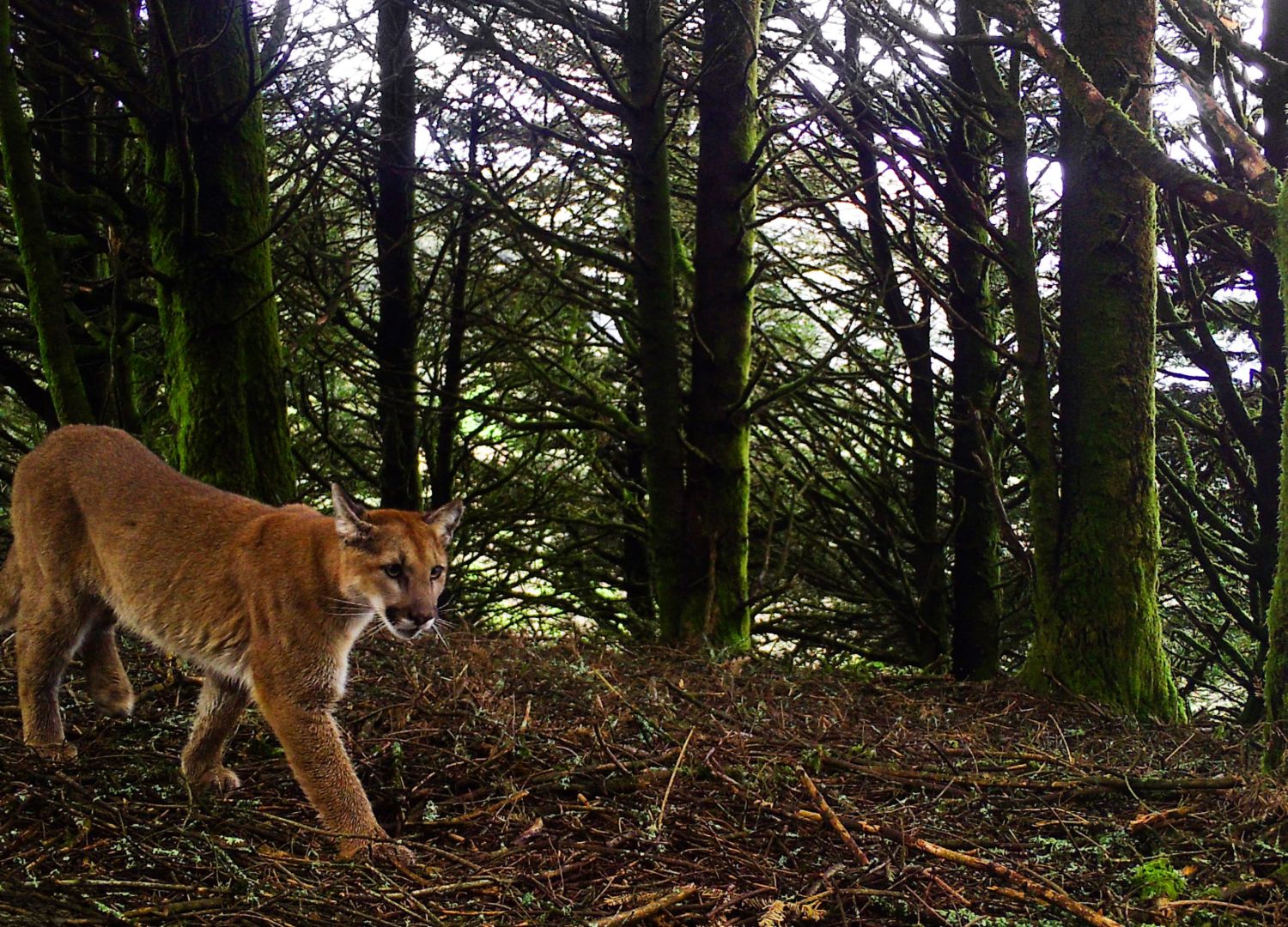
Habitat Protection
Working with landowners, policymakers, government agencies, and indigenous communities to identify and maintain corridors where wild cats can move through safely.
Learn about ecosystems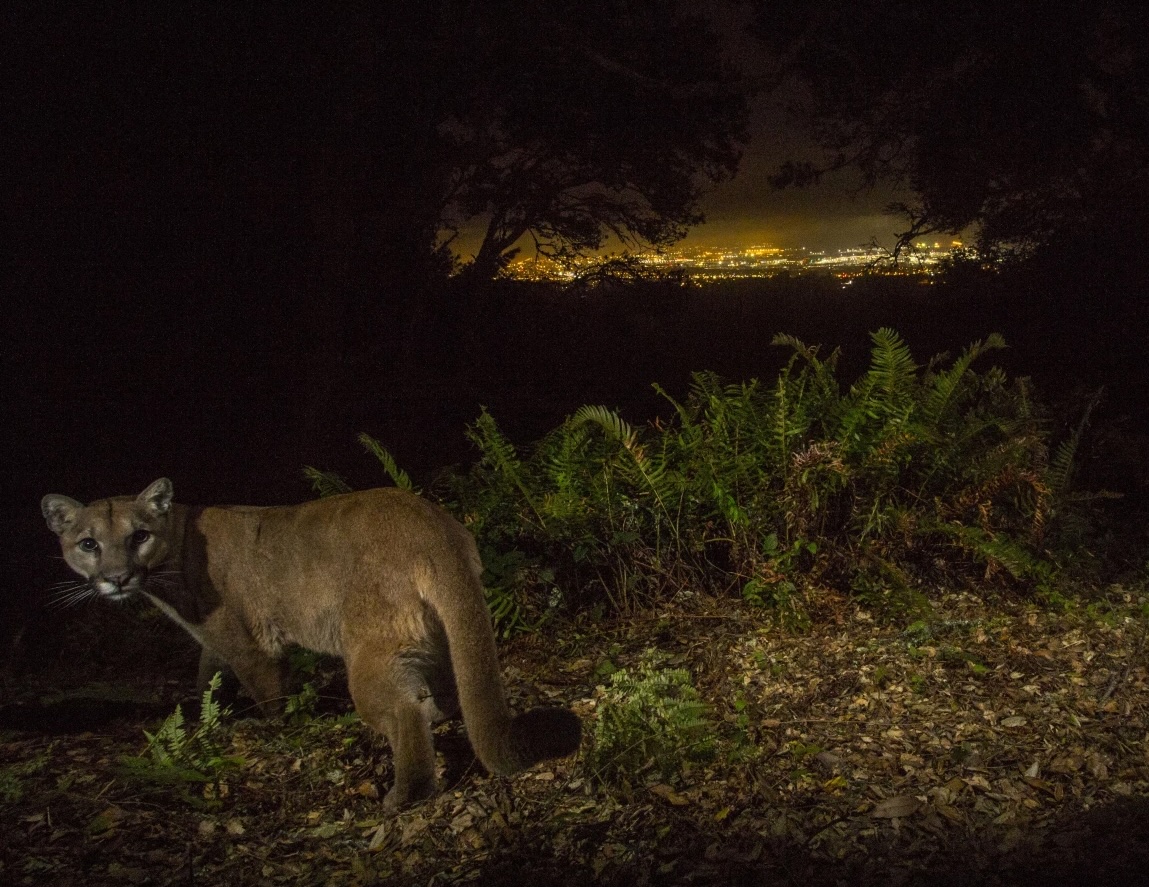
Education & Coexistence
Equipping communities with tools to live alongside wild cats. Reducing conflict, building the understanding that fuels long-term protection.
Coexistence resources40 species. Each worth protecting.
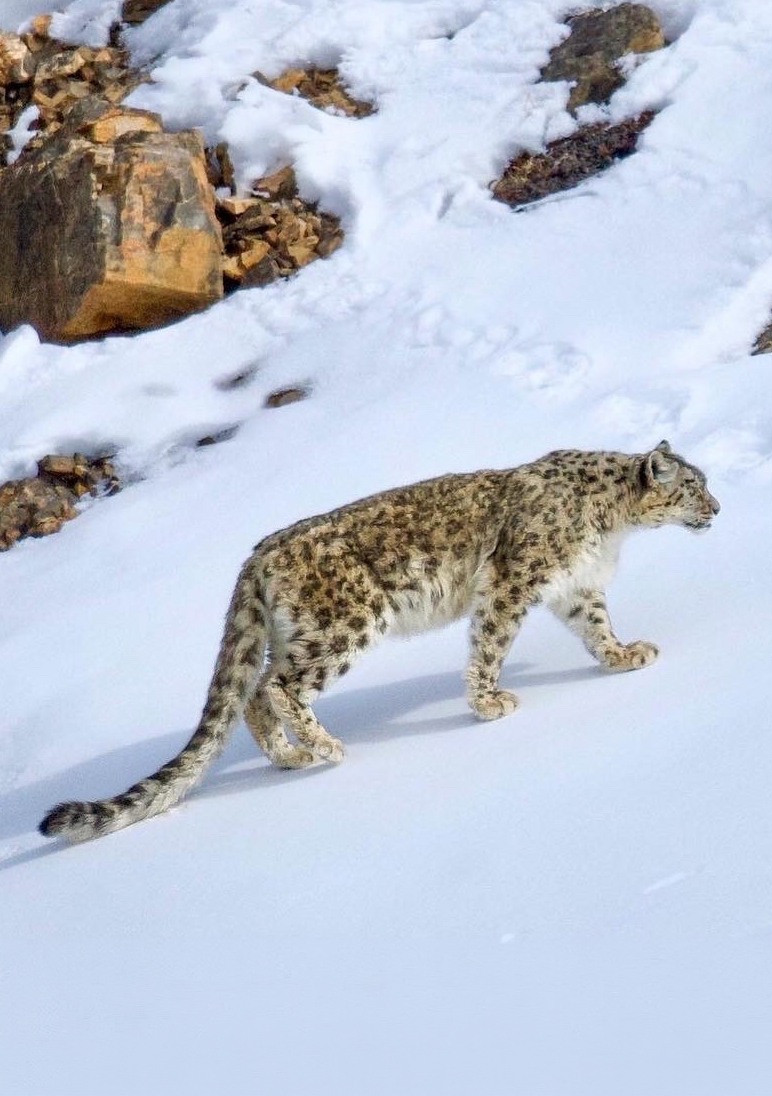
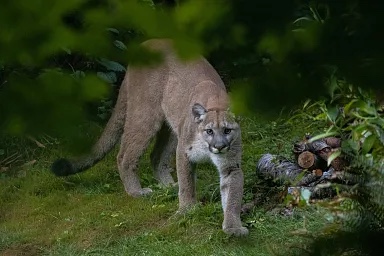
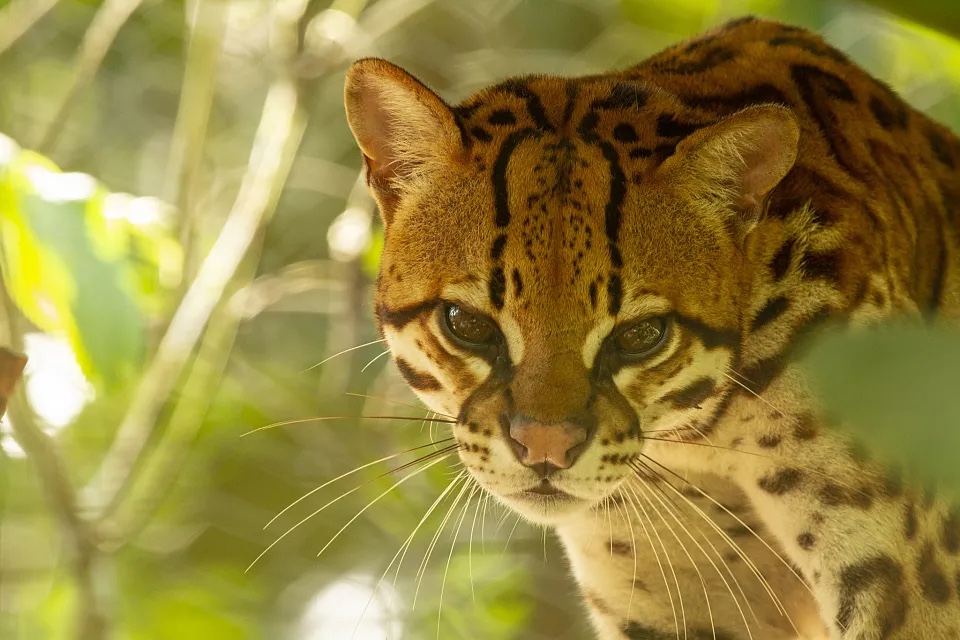
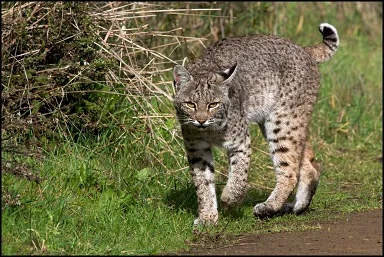
In the field, right now.
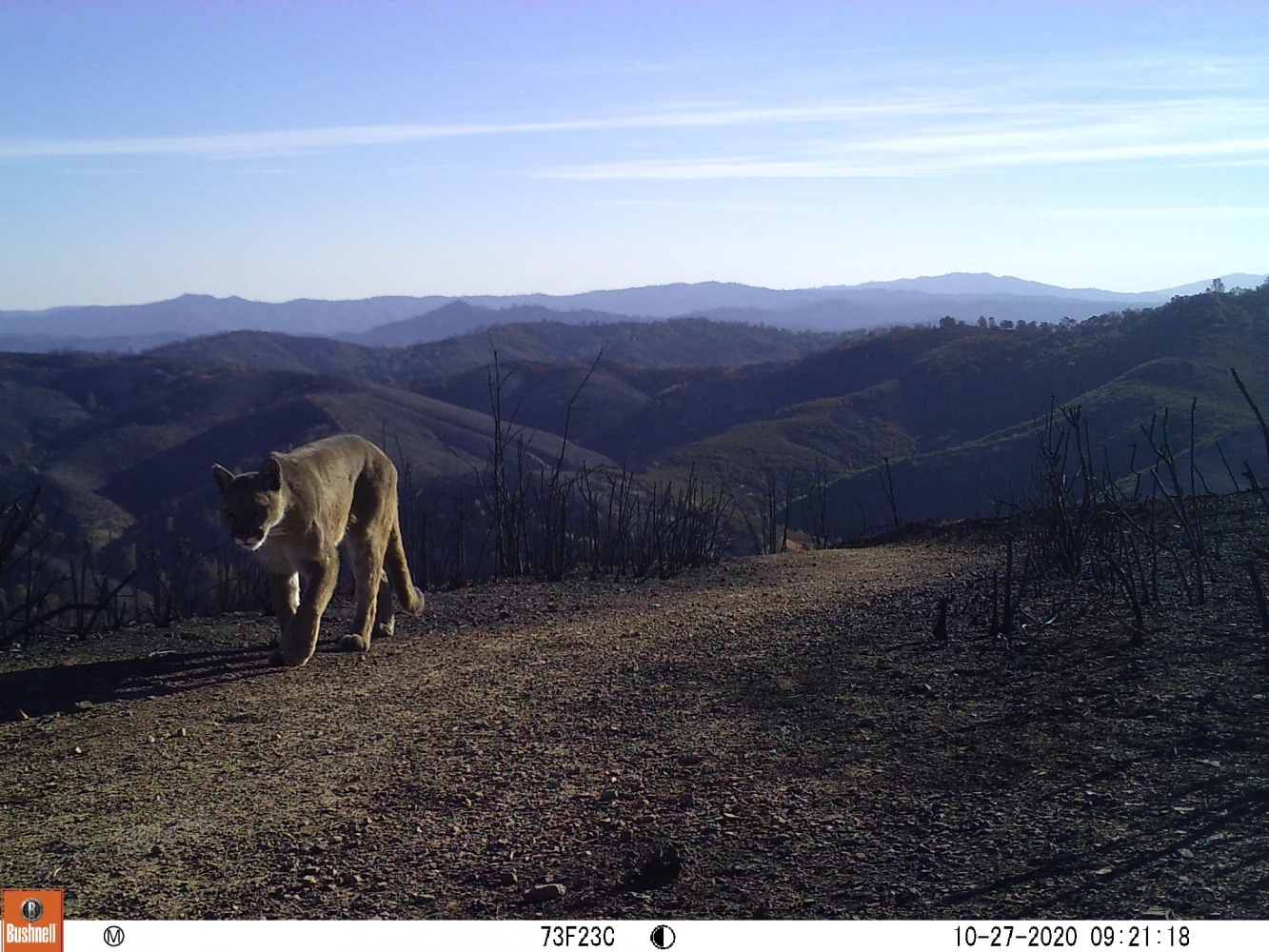 Active
Bay Area Puma Project
Tracking puma movement, survival, and habitat use across the greater Bay Area. Building the science needed to protect corridors between the Santa Cruz Mountains and Diablo Range.
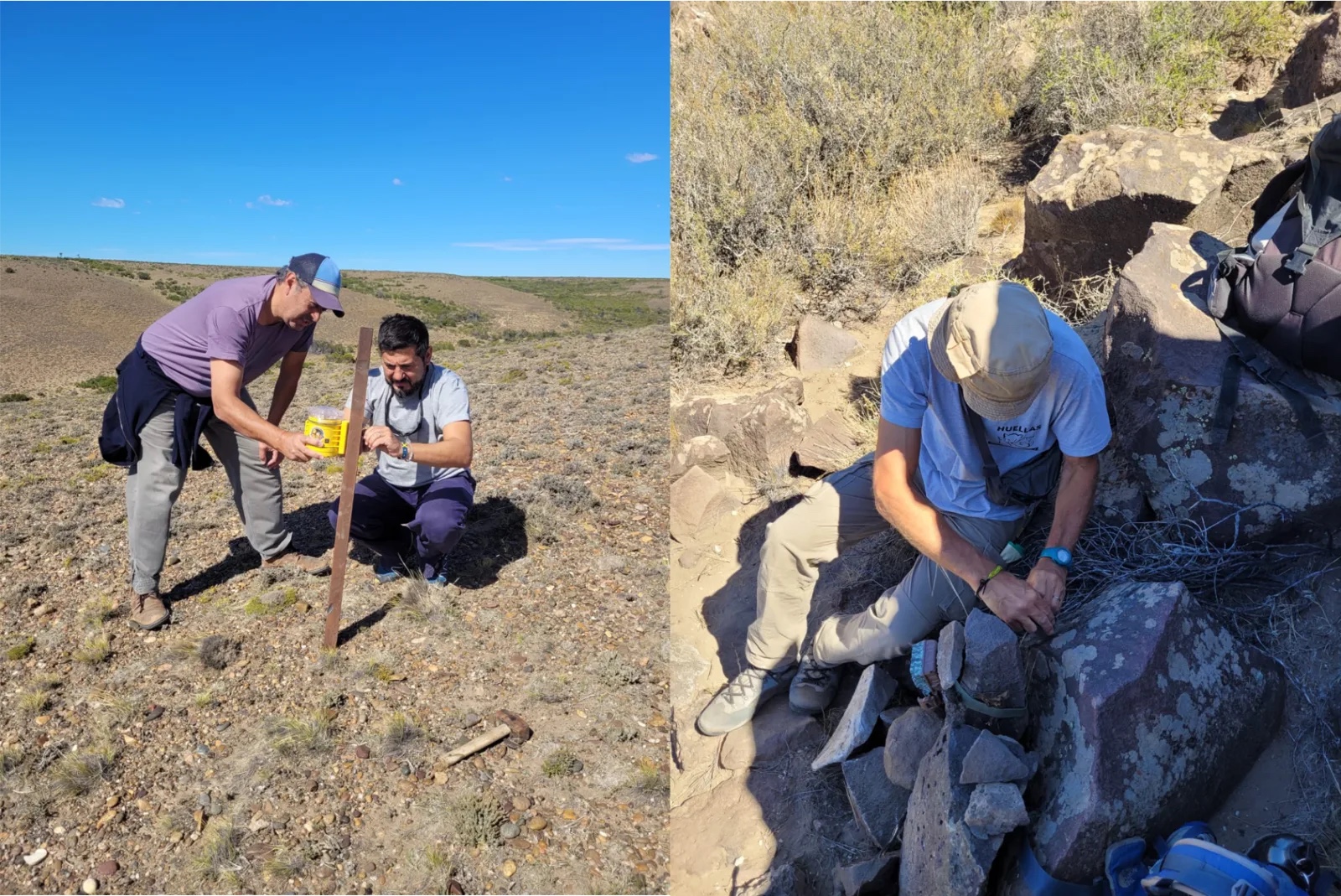 Active
Patagonia Wild Cats Project
Studying puma movement and Andean cat behavior across Patagonia's steppe. GPS collar data is reshaping conservation boundaries for protected areas across the region.
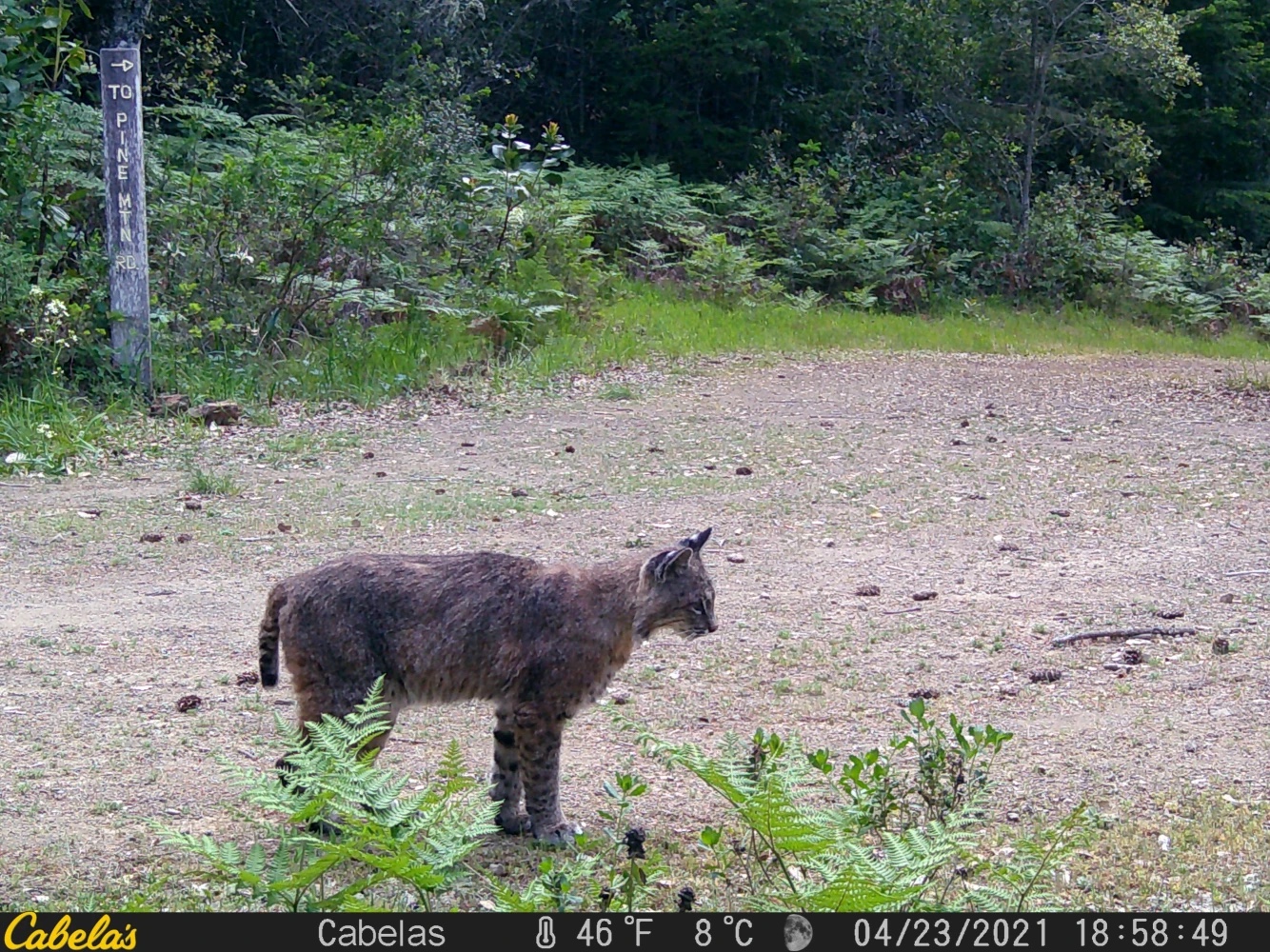 Active
Bay Area Bobcat Project
Tracking bobcat survival, reproduction, and movement through the fragmented wildland-urban interface. Building the case for wildlife corridor protections across the East Bay hills.
Stories, updates & spotlights.
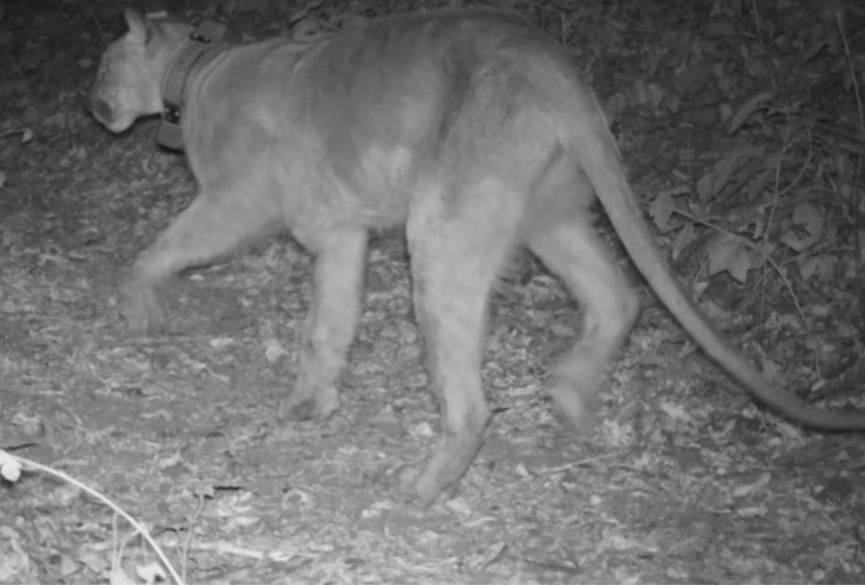
The Hidden Toll of Rodenticides Poisoning Pumas and Bobcats
If there is one fundamental truth about chemical poisons, it is that they never stay where we put them.
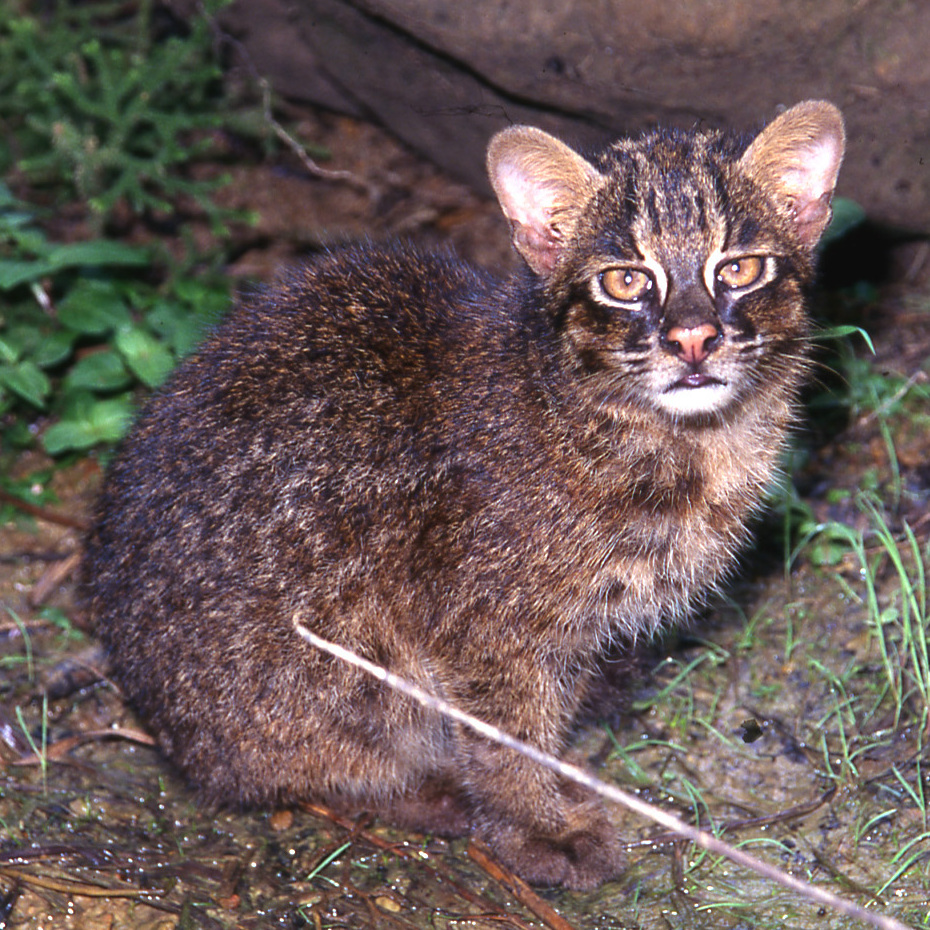
The Wild Cats of Japan: A Fight for Survival
Japan’s only two native wild cats, the Tsushima leopard cat and the Iriomote cat, are on the brink of extinction.
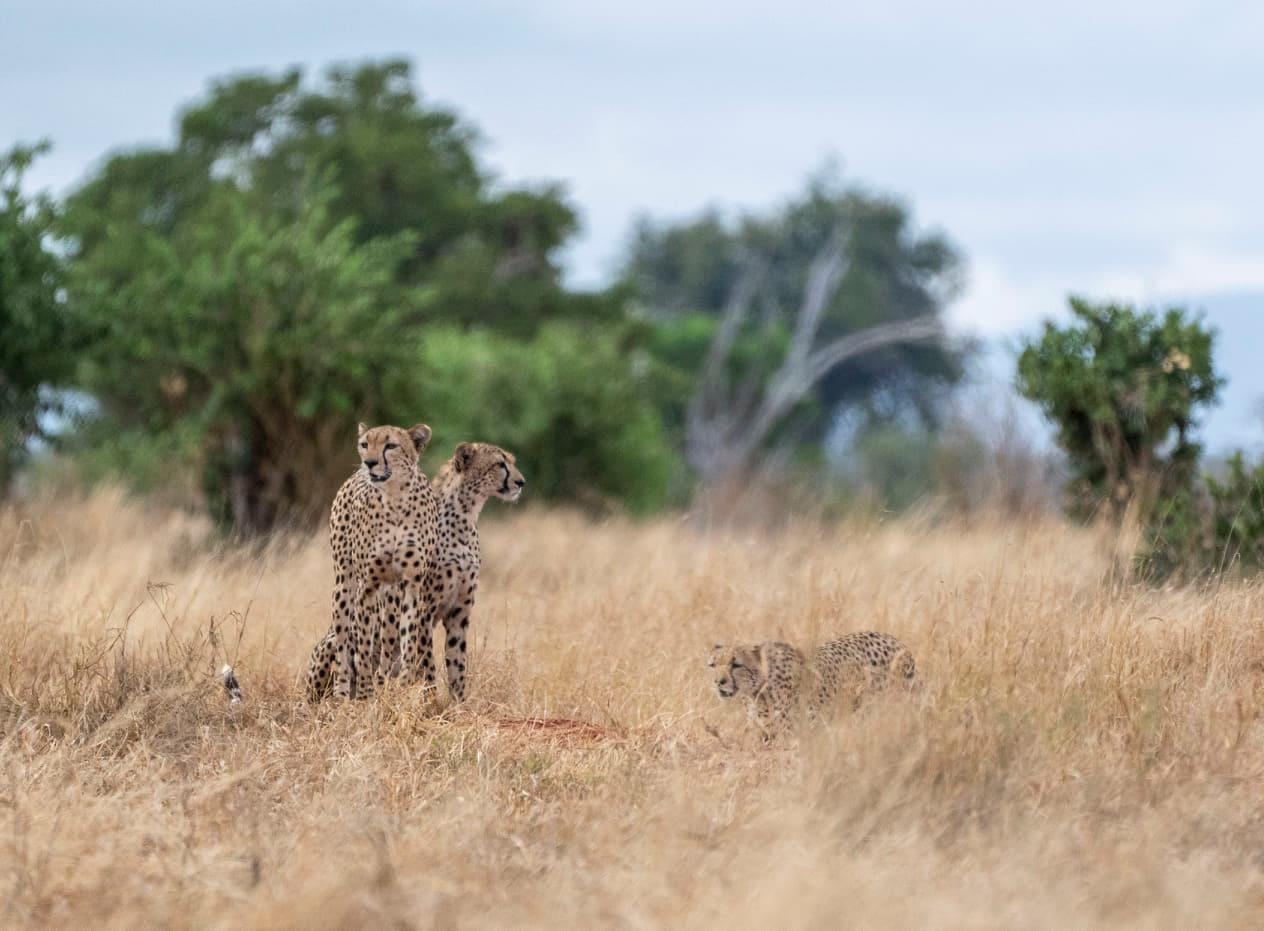
A Genetic Mishap: Decoding the Cheetah’s DNA
The cheetah (Acinonyx jubatus) is the undisputed speed champion of the land, but behind that incredible athleticism lies a complicated genetic history.
Your time creates lasting change.
Whether you're a scientist, a hiker, or a wildlife photographer, there's a role for you in wild cat conservation.
Get StartedMake a difference today.
Every dollar funds real science: camera traps, GPS collars, field teams, and community programs that protect wild cats.